

Level 1 sweep and inspection to the NFPA 211 annual standard - flue, crown, cap, and flashing checked and photographed
Chimney sweep logs do not sweep chimneys. They loosen some creosote - which then falls where a brush and vacuum still have to collect it.
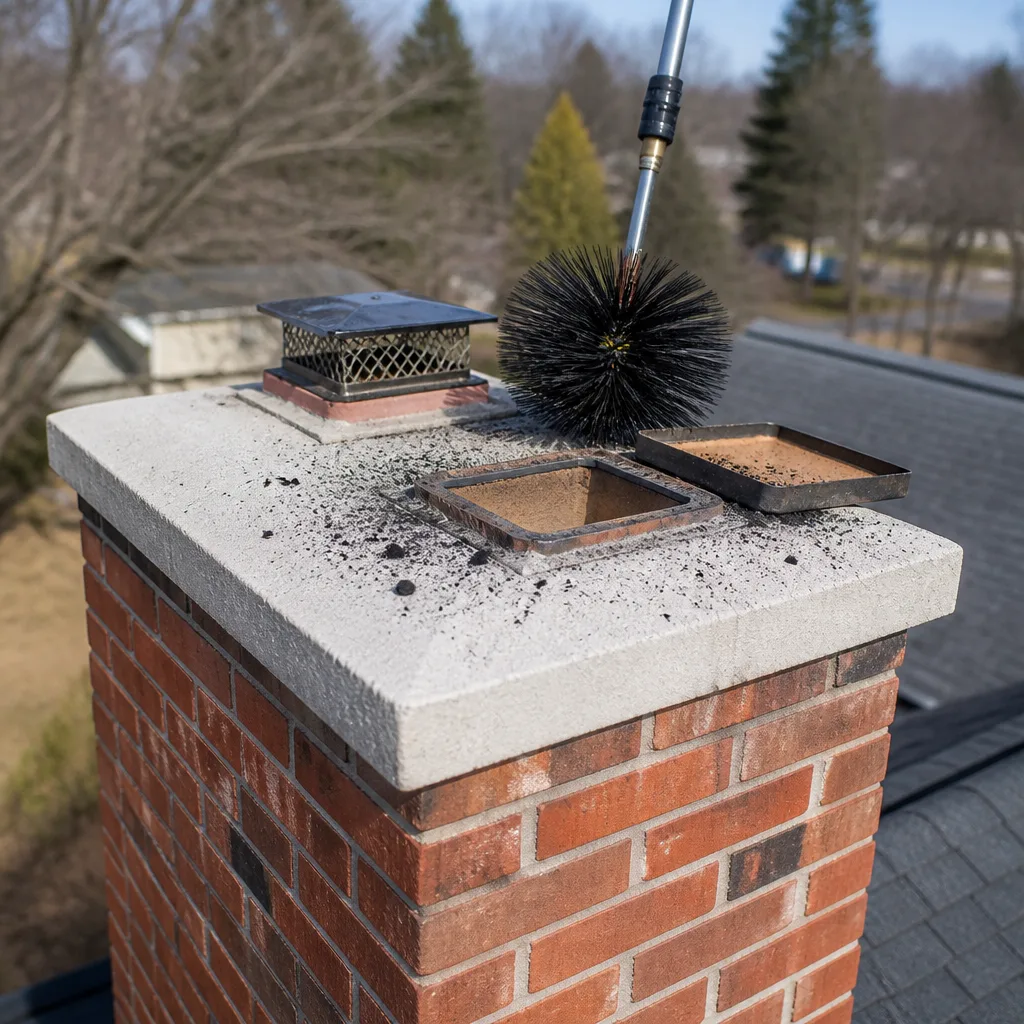
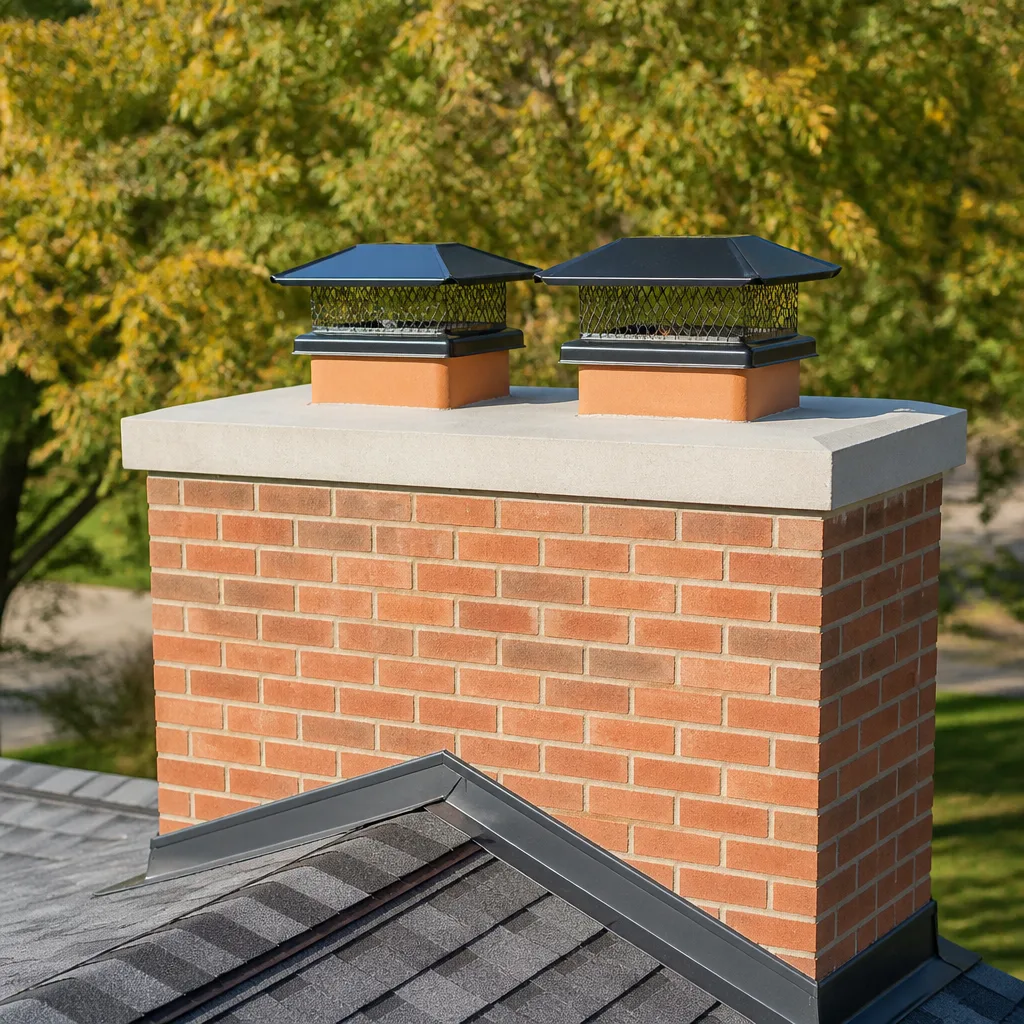
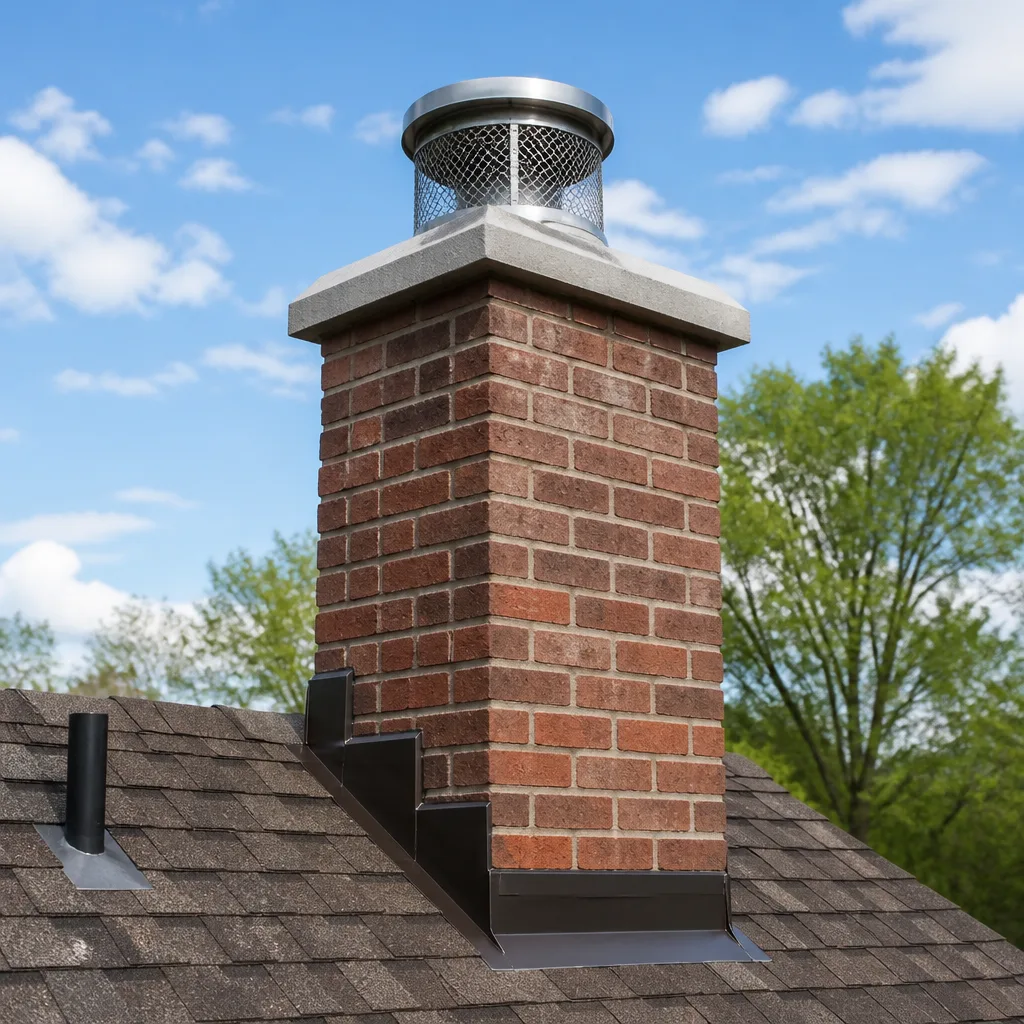
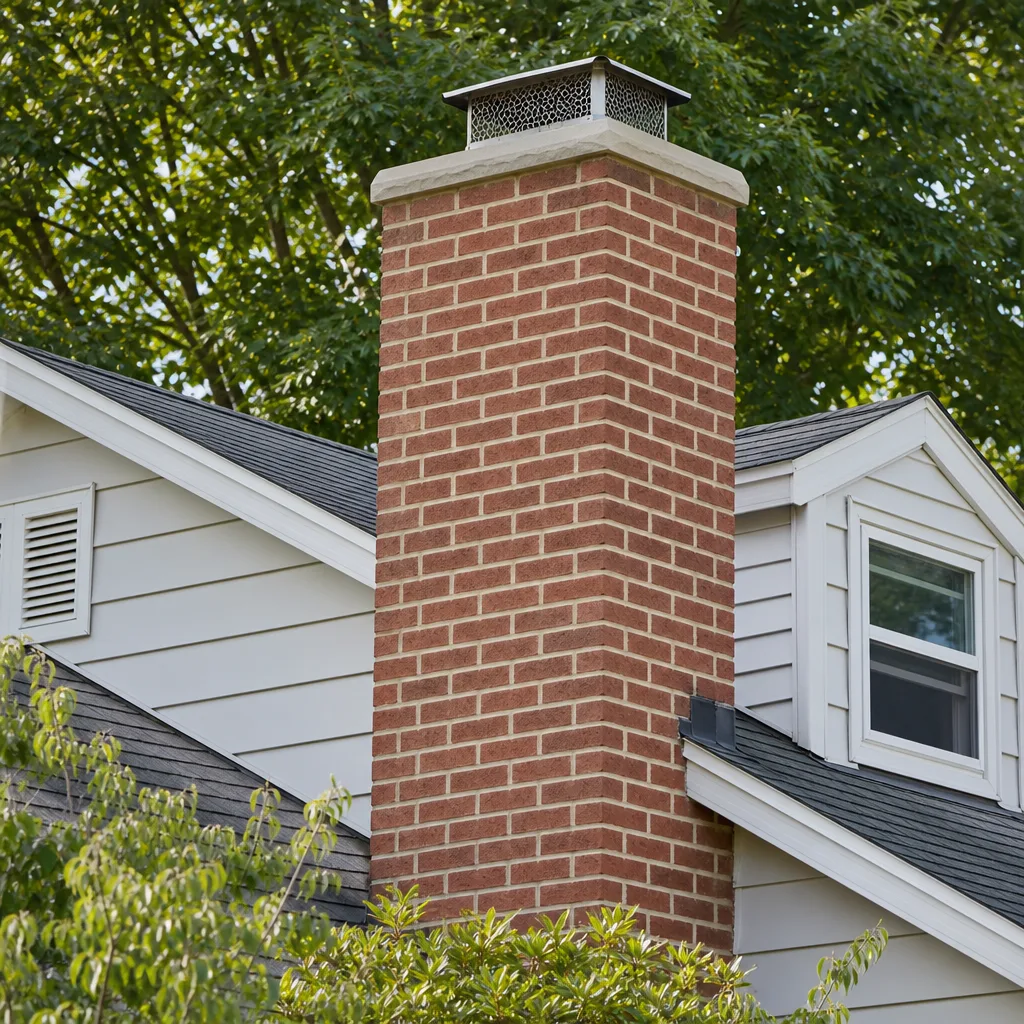
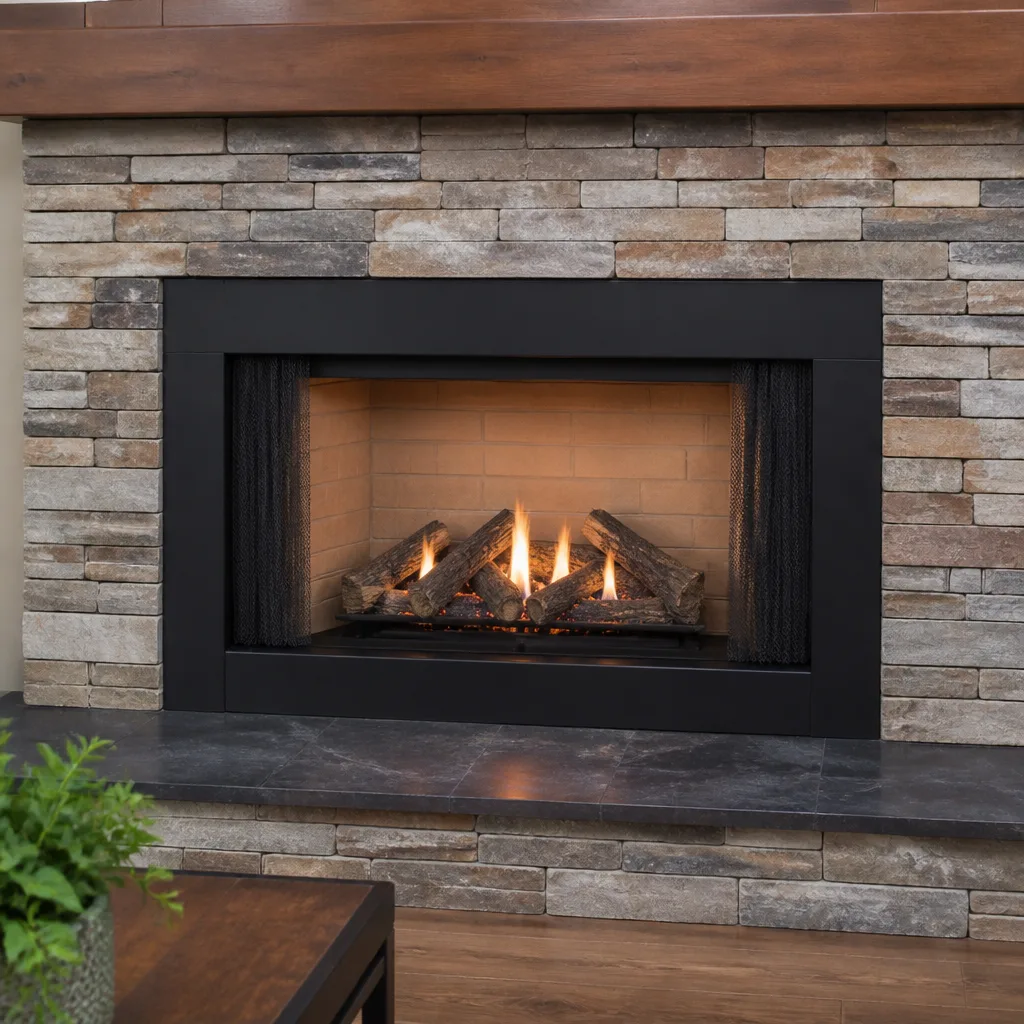
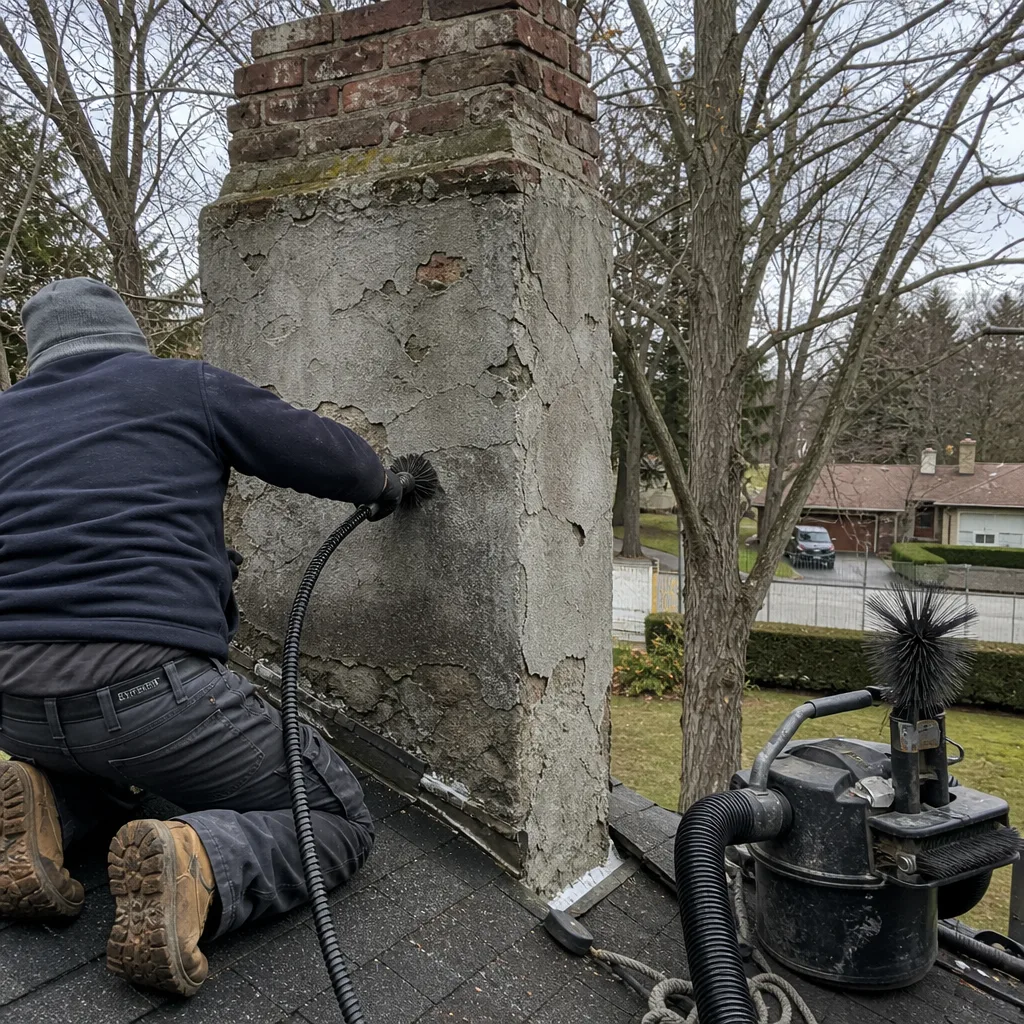 Before
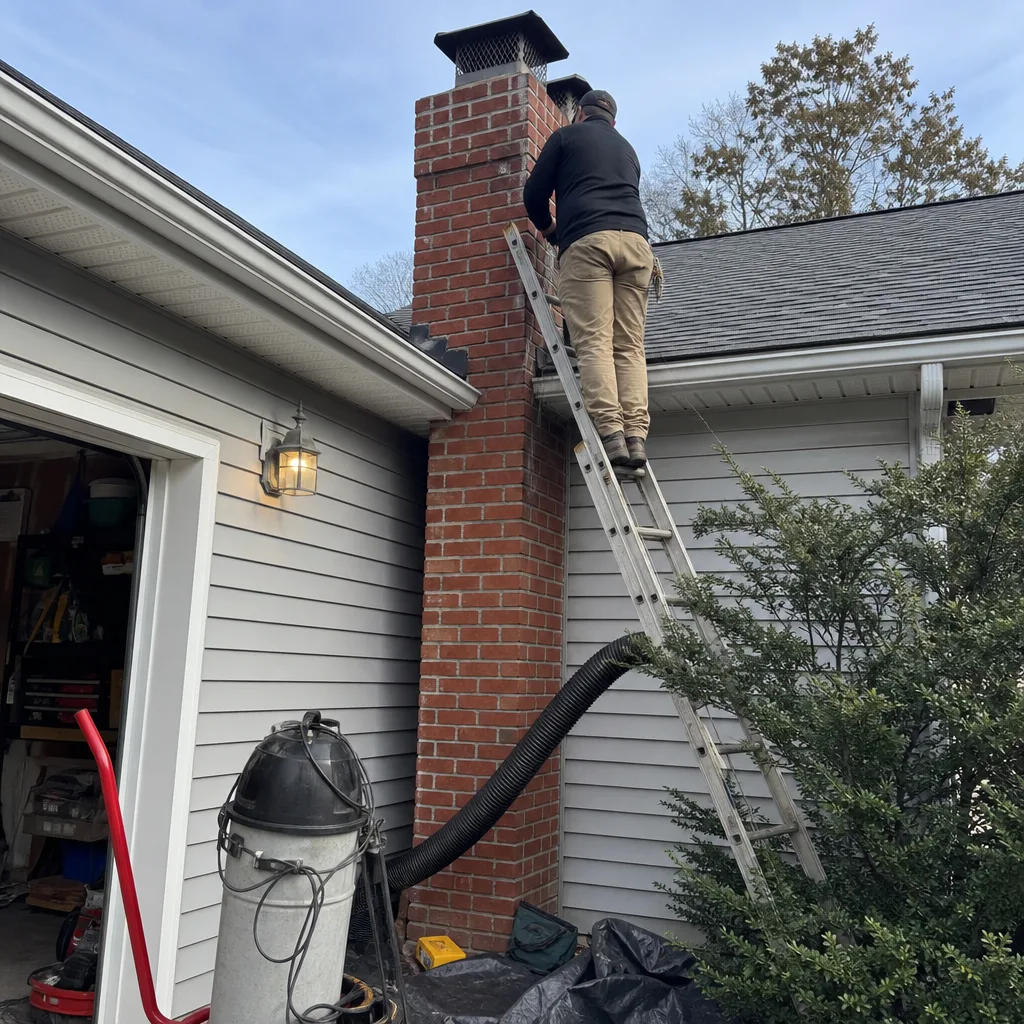 After
After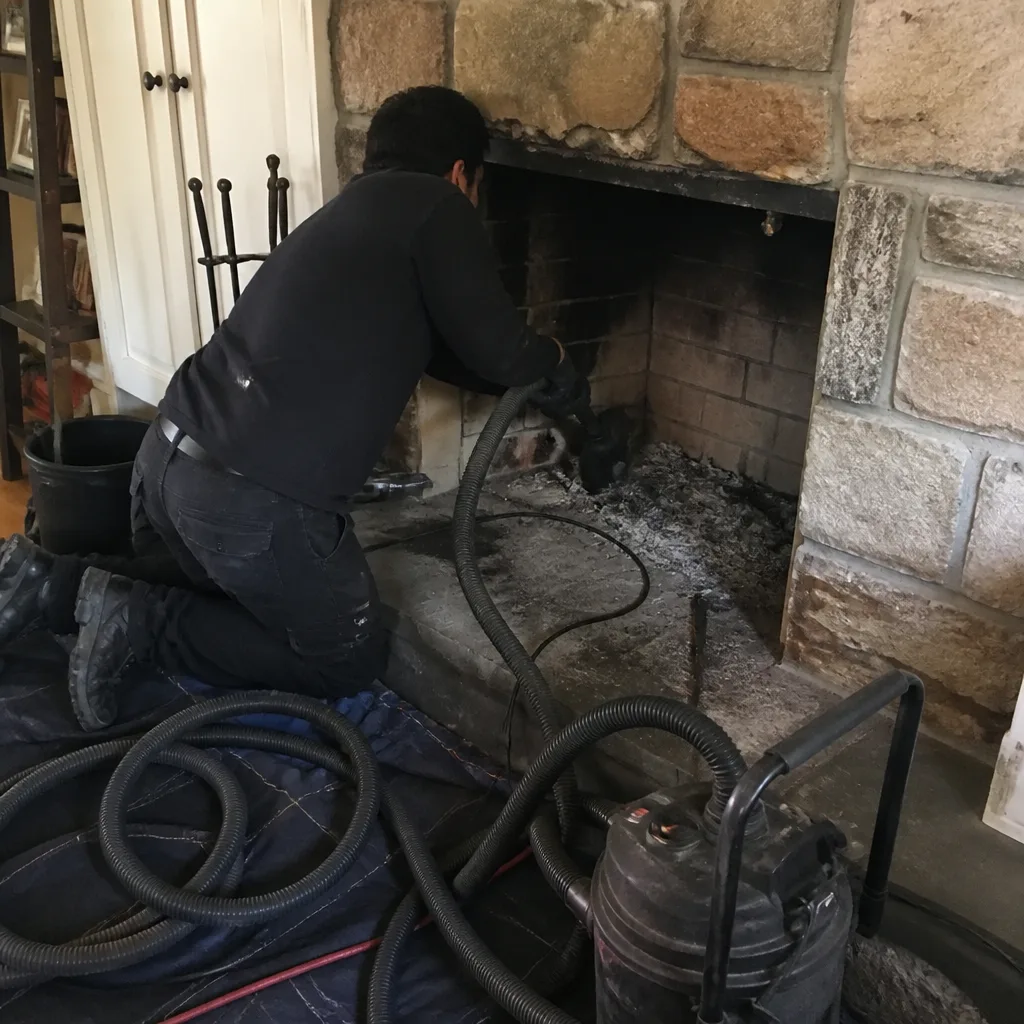 Before
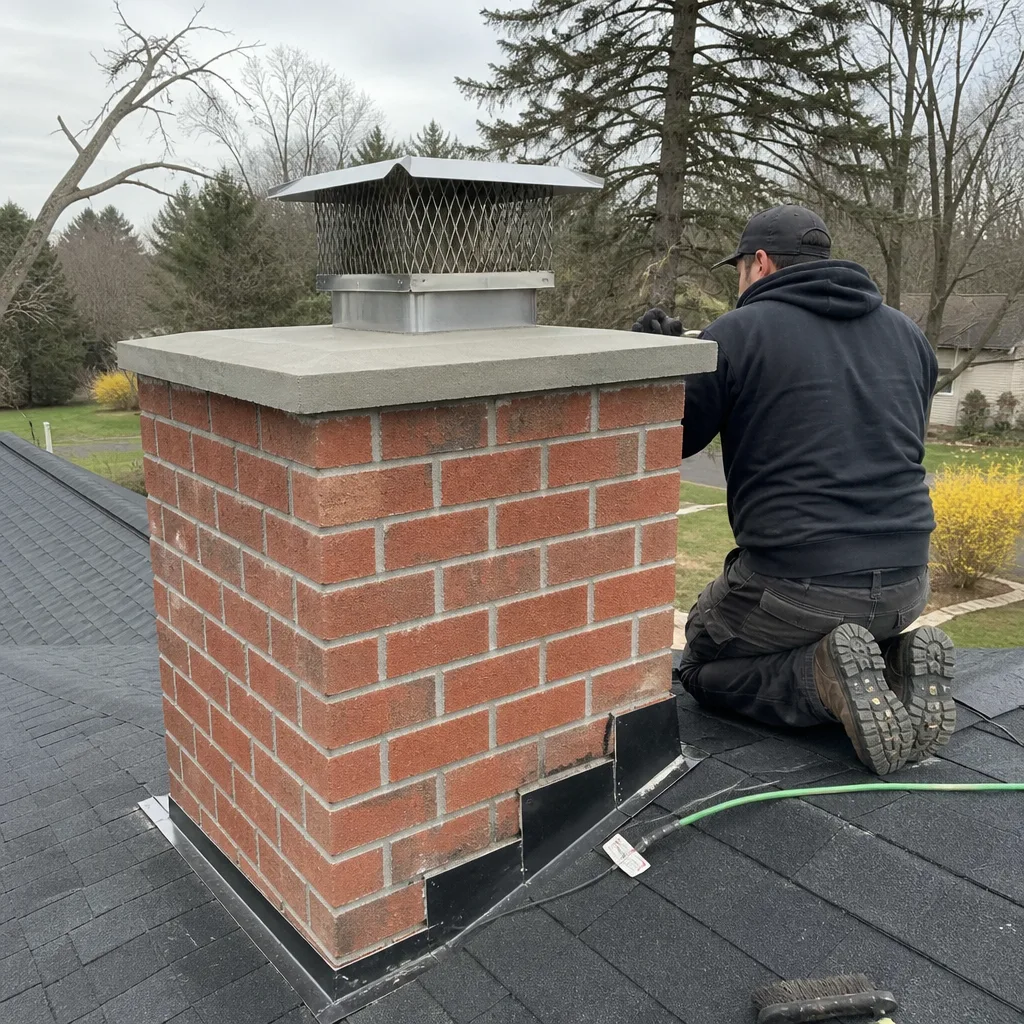 After
After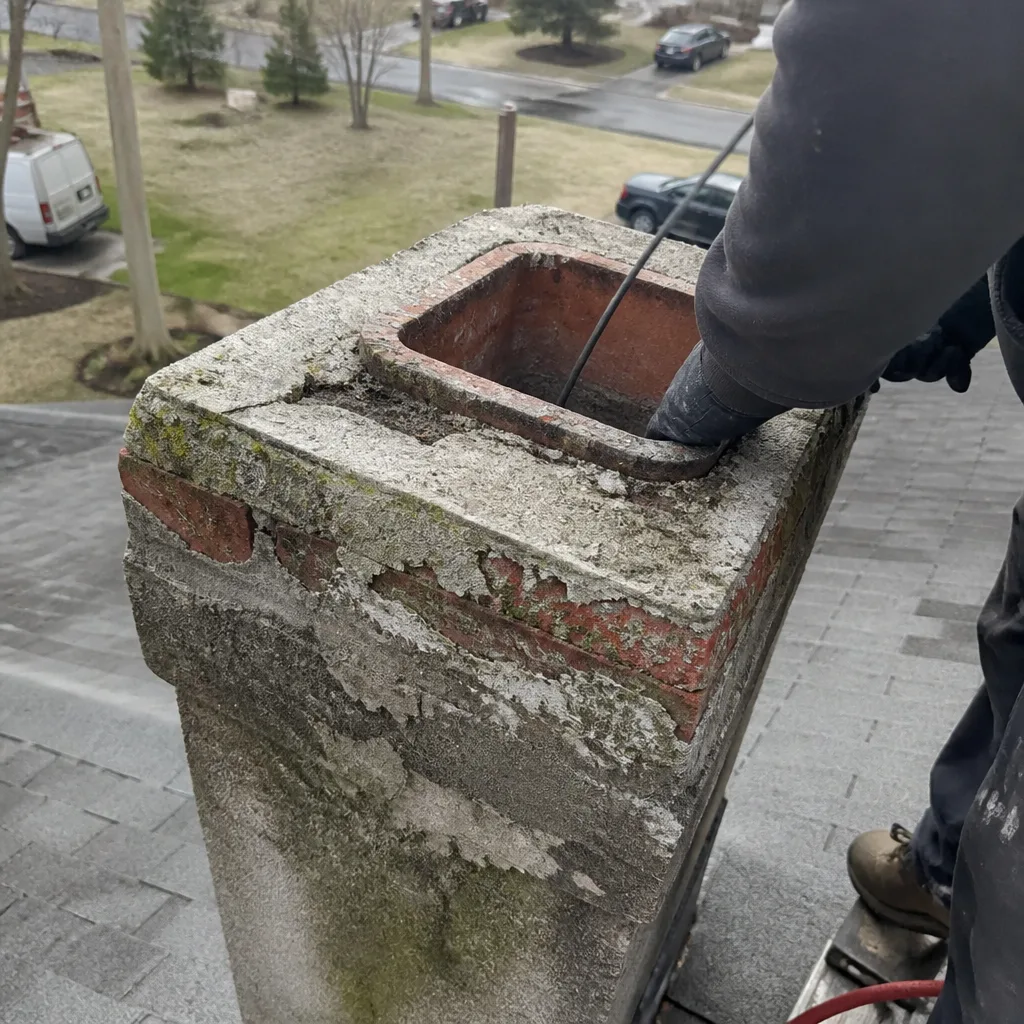 Before
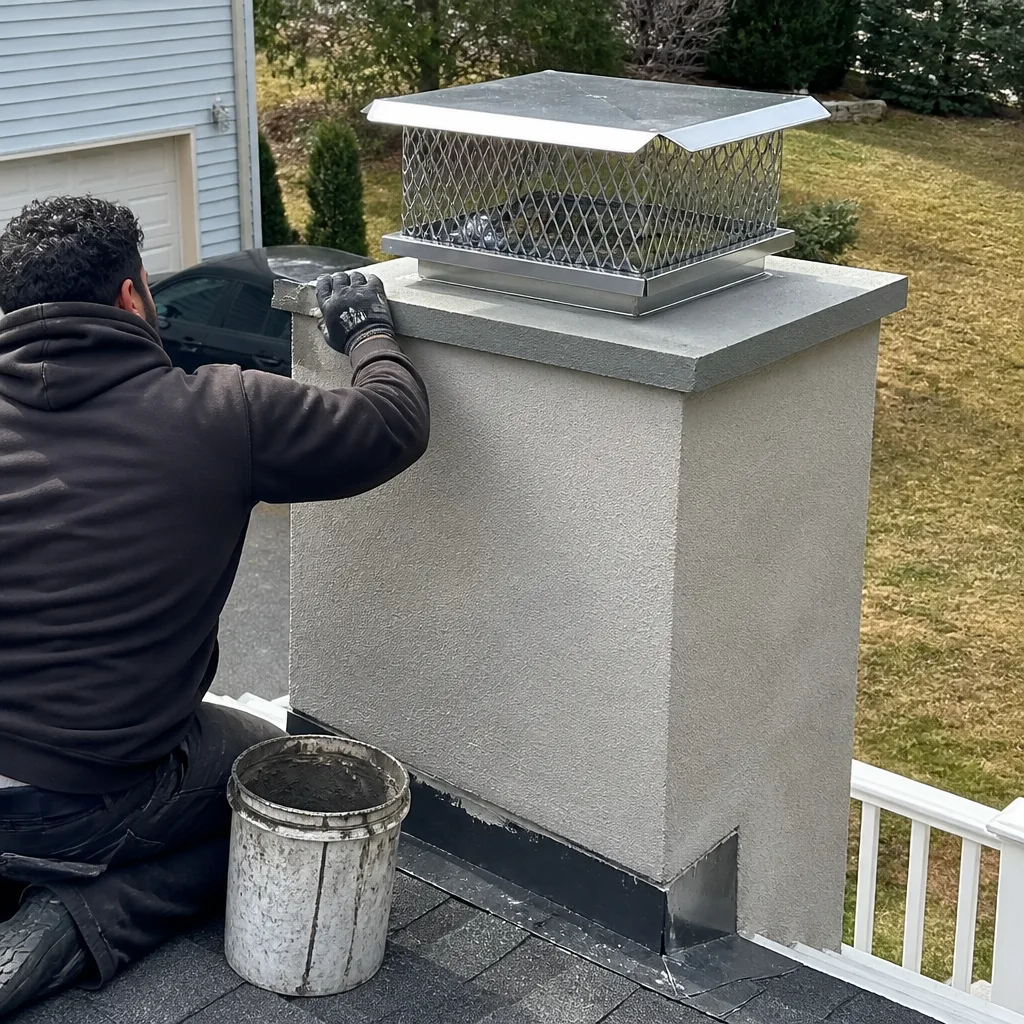 After
AfterSoot Removal in Dix Hills, NY
Soot removal in Dix Hills typically runs between $150 and $350, depending on how much has built up and whether the firebox or flue liner needs attention beyond a standard sweep. Most Chimney Cleaning & Sweep services are finished in a single visit, and the sweep who shows up at your door will tell you upfront what it costs before a tool comes off the truck.
If you have been burning wood in a Dix Hills home through another Suffolk County winter, you have soot. That is not a criticism – it is just physics. Every fire leaves behind a fine carbon residue that coats the firebox walls, smoke shelf, and flue lining. Left alone, that layer thickens, starts trapping moisture, and eventually accelerates the kind of flue deterioration that turns a simple cleaning into a liner repair. At Top Hat Chimney, Wendell Pike has been pulling soot out of chimneys on Long Island since 1999, and the pitch is the same as it was then: show up on time, do the work right, leave the room cleaner than we found it, and back it all with the 90-Day Done Right Promise in writing.
Soot removal is part of what we cover under our full Chimney Cleaning & Sweep in Dix Hills service, but it deserves its own conversation because homeowners often confuse it with creosote removal, assume it is automatic, or – just as often – skip it entirely because the fireplace “seems fine.” None of those assumptions serve your chimney well. If you want a straight answer on what your flue actually looks like, call us at (631) 318-8656. A live person picks up every time, any hour.
When You Need Soot Removal
Soot does not announce itself the way a cracked crown or a collapsed liner does. It accumulates gradually, and by the time most homeowners notice something, it has been building for a season or two. Here are the situations where soot removal moves from “sometime soon” to “schedule it this week.”
- A black, powdery film inside the firebox. If you run a finger along the firebox wall and come away with a dark, chalky residue that smears easily, you are looking at first-degree soot. A professional brush job handles it, but it should not sit there another season.
- Smoke smell in the room when the fireplace is not in use. In Dix Hills, homes with two-story chimneys that sit idle from April through September often pull a faint smoke odor indoors when the humidity rises in July. That smell is soot absorbing moisture and off-gassing into your living space.
- You have not had the chimney cleaned in more than 12 months. Once a year is the right interval, burn or no burn. Chimneys break and collect debris in the off-season too – including bird nesting material that mixes with old soot and creates its own fire hazard.
- You burned green or wet wood last season. Unseasoned wood produces far more particulate and deposits a thicker, stickier soot layer than dry hardwood. If you were burning whatever was stacked against the garage because it was convenient, assume you have a heavier-than-average buildup.
- The firebox is visibly stained or has a white, crusty residue alongside the dark soot. That white staining – efflorescence – means moisture is working through the masonry. Soot removal at that point is also a diagnostic step: clearing the surface lets us see what is happening underneath.
- You are buying or selling a home in Dix Hills. Buyers’ inspectors in Suffolk County routinely flag dirty flues as deferred maintenance. A professional soot removal visit before listing – or before you move in – is a sensible $150-$250 investment either way.
Our Soot Removal Process
There is no mystery to a well-run soot removal job, and Wendell will walk you through each step before he starts. Here is how it goes when Top Hat Chimney shows up at a Dix Hills home.
- Drop cloths down, inspection cameras up. Before anything moves, the sweep covers the hearth, floor, and any nearby furniture with heavy drop cloths. Then a camera goes into the flue so we know what we are dealing with – how thick the soot is, whether there is any creosote layering underneath, and whether the liner itself is in good shape. You see the same footage on a monitor, and you get a plain-English explanation of what it shows. No mystery, no upsell pressure.
- Firebox and smoke shelf cleared first. Soot tends to pool on the smoke shelf – the ledge just above the damper – and inside the firebox corners. We clear those areas manually before any brushwork begins so we are not redistributing loose material as we work down from above. Copperfield-quality brushes and hand tools get into the corners that a standard sweep can miss.
- Top-down flue brushing. Working from the roof or through a top-mount access point, the sweep runs chimney brushes through the full length of the flue. The goal is a clean liner surface, not just a passable one. On a Dix Hills colonial with a 25-foot flue, this takes time done properly – plan on 60 to 90 minutes for a full sweep and soot removal combined.
- HEPA vacuum extraction. As material breaks free inside the flue and firebox, it is captured immediately with a commercial-grade HEPA vacuum. This is the step that keeps your living room from smelling like a campfire for three days after the visit. The equipment matters here, and we do not cut corners on it.
- Second camera pass and verbal report. Once the flue is clear, the camera goes back in. Any issues the soot was hiding – small liner cracks, mortar joint erosion, gaps at the smoke chamber – get noted and shown to you on screen. If something needs attention, you hear about it with an honest explanation and a written price before we leave. If it does not need attention, we say so.
- Cleanup and final check. Drop cloths come up, the work area gets a final wipe-down, and the sweep does a quick visual on the damper operation and firebox floor before walking you through the findings. You should be able to use the fireplace again that same evening if everything is in order.
Soot Removal Pricing in Dix Hills
Soot removal in Dix Hills costs $150 to $350 in most cases. That range covers a standard wood-burning fireplace flue in a typical Suffolk County single-family home. Here is a clearer breakdown of what moves the number up or down.
| Scenario | Typical Price Range |
|---|---|
| Basic soot removal, single flue, light to moderate buildup | $150 – $220 |
| Single flue with moderate soot plus smoke shelf cleaning | $200 – $280 |
| Heavy soot buildup or multiple seasons without cleaning | $260 – $350 |
| Soot removal combined with full chimney inspection (Level I) | $250 – $380 |
| Firebox panel or smoke chamber cleaning added to sweep | $50 – $120 additional |
A few things that affect your exact number: flue height matters on the taller colonials and Tudors that sit along the Dix Hills Road and Vanderbilt Parkway corridors – a 30-foot flue takes longer to brush than a 15-foot one. Homes with multiple fireplaces get a per-flue rate, and oil-heat flues that connect to a boiler are priced separately from wood-burning flues because the residue is chemically different. If you burned manufactured logs heavily, expect to add $30 to $60 for the extra chemical residue those products leave.
We quote upfront, every time. The number you hear on the phone – or from the sweep standing at your door before tools come out – is the number on the invoice. No surprises at the end of the job.
Standing offers that apply to Dix Hills residents: $40 off any repair over $200, and a 10% discount for seniors and veterans on every visit, every time. If you have a written estimate from another chimney company and it does not look right to you, we will give you a second opinion at no charge.
Call (631) 318-8656 for a free estimate. Estimates are free, there is no trip charge for calls inside our service county, and the person who picks up can usually get you on the schedule within a day or two.
Why Soot Removal Is Not Optional
Some homeowners treat soot as a cosmetic issue – a little dark staining that does not really affect anything. That framing gets expensive over time.
Soot is porous and hydroscopic, meaning it holds moisture against your flue liner. In Dix Hills, where the temperature swings between a wet spring and sub-freezing January nights are genuinely hard on masonry, that moisture cycles through freeze-thaw repeatedly every year. A clean liner sheds water. A soot-coated liner holds it. Over three or four seasons without cleaning, the accelerated wear on mortar joints and tile liner sections shows up as cracks and spalling that a simple Annual Sweep would have delayed by years.
There is also the draft issue. A soot-restricted flue draws less efficiently. You end up cracking a window to get a fire going, or fighting smoke rollout on cold starts. That is not a damper problem or a cap problem – it is a buildup problem, and the fix is a brush job, not a hardware repair.
First-degree soot is always a brush job. Third-degree creosote is a glaze that requires chemical treatment and sometimes liner replacement – and it often starts as ignored soot that was given enough heat cycles to harden and transform. Catching it early is not a sales pitch. It is just the honest sequence of events.
Wendell has been inside chimneys in Half Hollow Hills, Melville, Commack, and throughout the Dix Hills zip codes for over two decades. The pattern he sees most often is not neglect – it is homeowners who assumed last year’s sweep covered it, or that the gas insert meant the flue did not need attention. Gas appliances produce soot too, just less of it. Once a year, regardless of fuel type, is the right schedule.
Soot in Dix Hills Homes: What We See Most Often
Dix Hills sits on a ridge that runs roughly northeast to southwest along the spine of Suffolk County. The elevation – higher than much of the surrounding towns – means homes here see more wind exposure than homeowners often expect, and wind pressure affects chimney draft in ways that show up as soot patterns inside the firebox.
In the older split-levels and ranch homes built in the 1960s and 1970s along Deer Park Avenue and Vanderbilt Parkway, we frequently find soot that has migrated out of the firebox onto the surrounding masonry because the damper seals poorly – a common issue in chimneys of that era. The fix is usually a new top-mount damper alongside the soot cleaning, and the combination job stays in the $300 to $450 range depending on damper model and flue size.
In the newer construction closer to Route 110, gas inserts are more common, and the soot pattern is lighter but still present – concentrated at the collar and the first few feet of the flue liner above the appliance. That area is easy to overlook if the sweep is not specifically checking for it.
We see occasional oil-heat flues in the Dix Hills area that homeowners have converted to wood-burning without having the liner assessed. Oil soot and wood soot have different chemical compositions, and a liner that handled one fuel type efficiently may not be appropriately sized or sealed for the other. If you have changed fuel sources at any point, tell the sweep at the start of the visit.
FAQs – Soot Removal in Dix Hills
How is soot different from creosote, and does it matter which one I have?
Soot is the loose, powdery carbon residue left by incomplete combustion – it brushes off relatively easily and a standard sweep handles it. Creosote is what forms when that soot is heated repeatedly; it becomes progressively harder, stickier, and more flammable as it moves from first-degree (brushable) to third-degree (a glossy, tar-like glaze). It absolutely matters which one you have, because third-degree creosote requires chemical treatment and sometimes liner replacement – a job that runs $800 to $2,500 rather than $150 to $350. That is why the camera inspection happens before the brush does. If we see creosote glazing, we tell you what degree it is and what your options are before any work starts. Call (631) 318-8656 and we can usually schedule a same-week inspection.
How much does soot removal cost in Dix Hills?
Soot removal in Dix Hills runs $150 to $350 for a standard wood-burning fireplace, depending on flue length, how long since the last cleaning, and whether the smoke shelf or firebox panels need additional attention. Light buildup on a well-maintained chimney is typically at the lower end of that range. We quote the price before we start, so there are no end-of-job adjustments. Call (631) 318-8656 for a free estimate – there is no trip charge for homes inside our service county.
Can soot removal be done the same day I call?
Same-day service is possible when the schedule allows, and we aim for next-day availability in most cases. Dix Hills is well inside our Chimney Cleaning & Sweep Near Me in Dix Hills, NY service area, so response time is not a problem. What we will not do is rush a job to fit a tight window – the camera inspection and HEPA cleanup take the time they take, and shortcutting either of those steps is how soot ends up on your carpet and problems get missed in the flue. Call (631) 318-8656 and we will find the earliest honest slot on the calendar.
Is soot removal something I can do myself?
You can clean light soot deposits off the firebox floor and walls yourself using a stiff brush and a dry chemical sponge – that is a reasonable maintenance step between professional visits. What you cannot safely do yourself is brush a full flue, because the tools required to do it without blowing carbon particulate into your home are commercial-grade, and working on a roof without proper footing and safety gear carries real injury risk. The flue camera inspection is also not replicable with consumer tools. DIY fireplace surface cleaning is fine. Flue work is a job for someone who does it every week. Call (631) 318-8656 and we will tell you honestly whether your situation warrants a professional visit or whether the maintenance step you already took is sufficient.
The Top Hat Chimney Difference in Dix Hills
There is no shortage of chimney companies willing to quote $49 on the phone and add line items at the door. Wendell started Top Hat Chimney in 1999 because he was tired of watching homeowners get walked through that experience and have no recourse afterward. The national outfits rotate crews. They do not have a local address you can verify, and the person who did the work is unlikely to be reachable the following week.
Wendell’s name is on every invoice. If the work is not right – within 90 days of the visit – one call brings the crew back at no additional cost. That is the 90-Day Done Right Promise, and it is in writing on every job, not just the ones where something went wrong. It is the kind of guarantee that only works if the original job was done correctly, which is why we do not cut corners on camera inspections, HEPA cleanup, or crew training.
Top Hat Chimney is part of the home service community that Dix Hills families have relied on for over two decades. We work with trusted industry materials including Copperfield brushes and HeatShield liner repair products where the job calls for them, and we are straightforward about what a job needs and what it does not.
Background-checked, uniformed, and on time – or we call you if the window slips. Senior and veteran discounts apply automatically. No trip charge inside the county. Free second opinion on any written estimate you are unsure about.
If your chimney is due for a cleaning and you want someone who will tell you the truth about what they find, call (631) 318-8656. Wendell or a member of the crew picks up every time, around the clock. Free estimate, upfront price, and a 90-day guarantee on the work. That is the whole offer.
Written by Wendell Pike, Owner at Top Hat Chimney, serving Dix Hills since 1999.