
Level 1 sweep and inspection to the NFPA 211 annual standard - flue, crown, cap, and flashing checked and photographed
Chimney sweep logs do not sweep chimneys. They loosen some creosote - which then falls where a brush and vacuum still have to collect it.
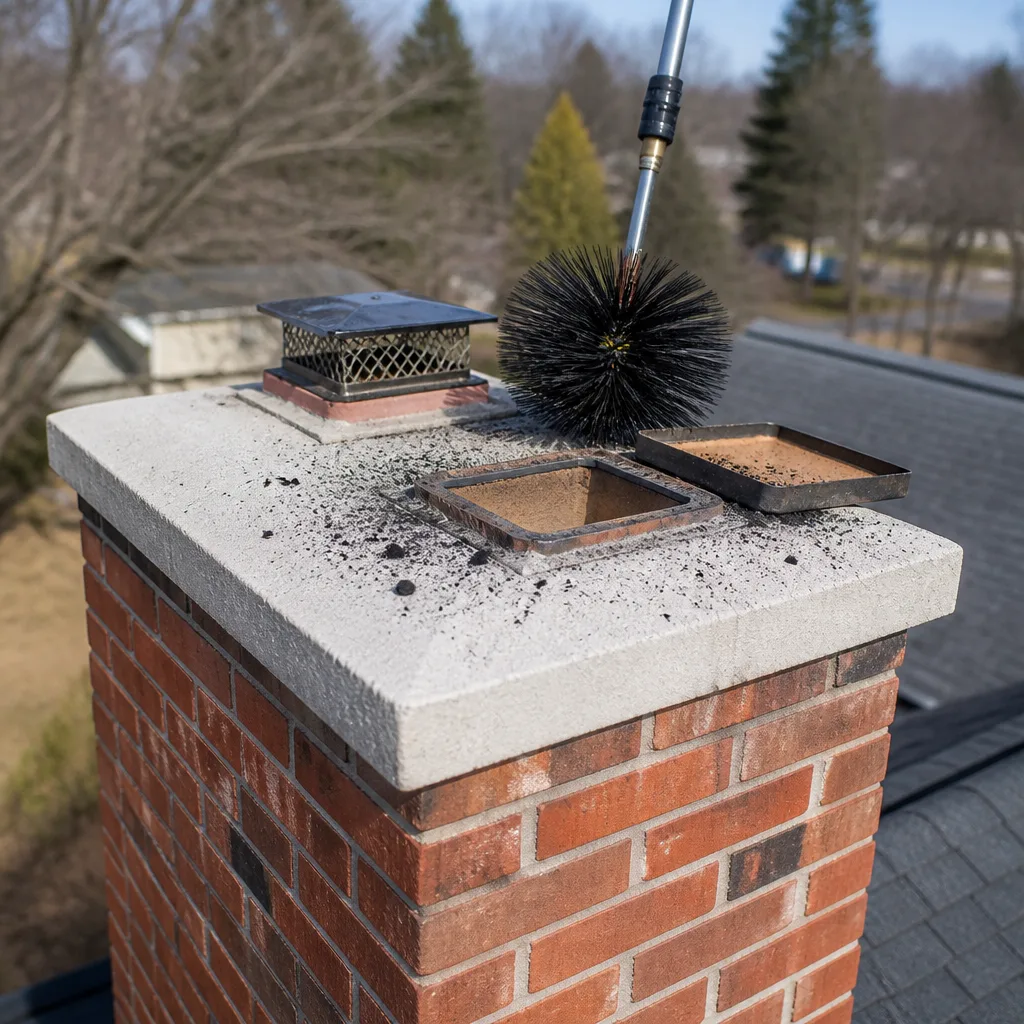
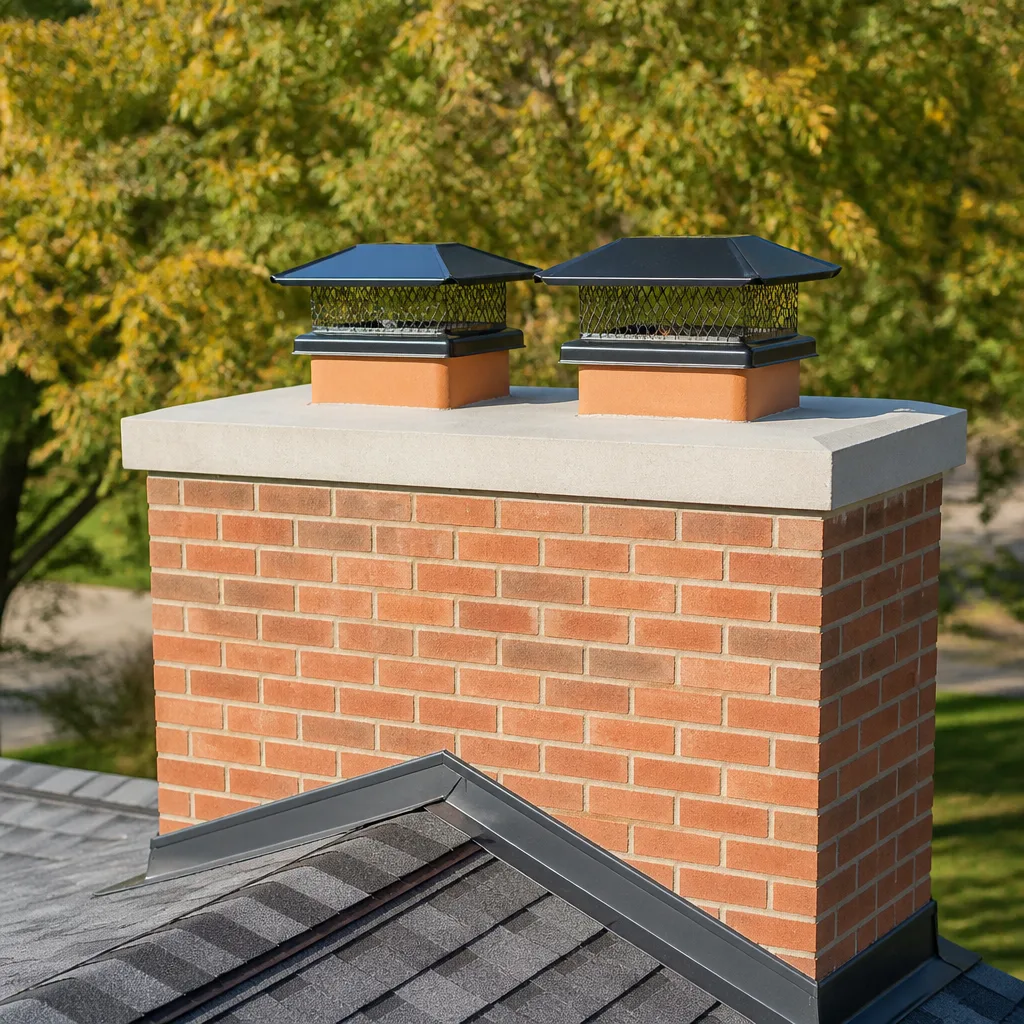
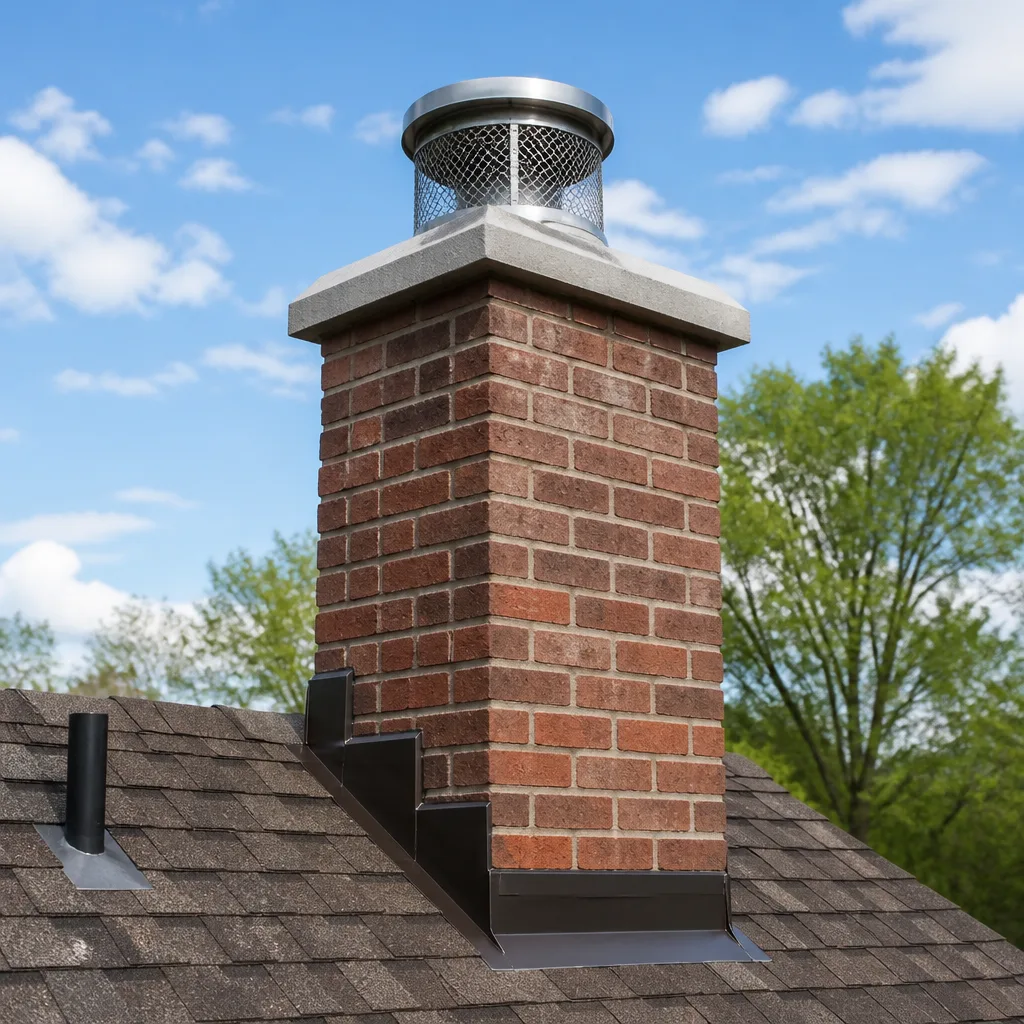
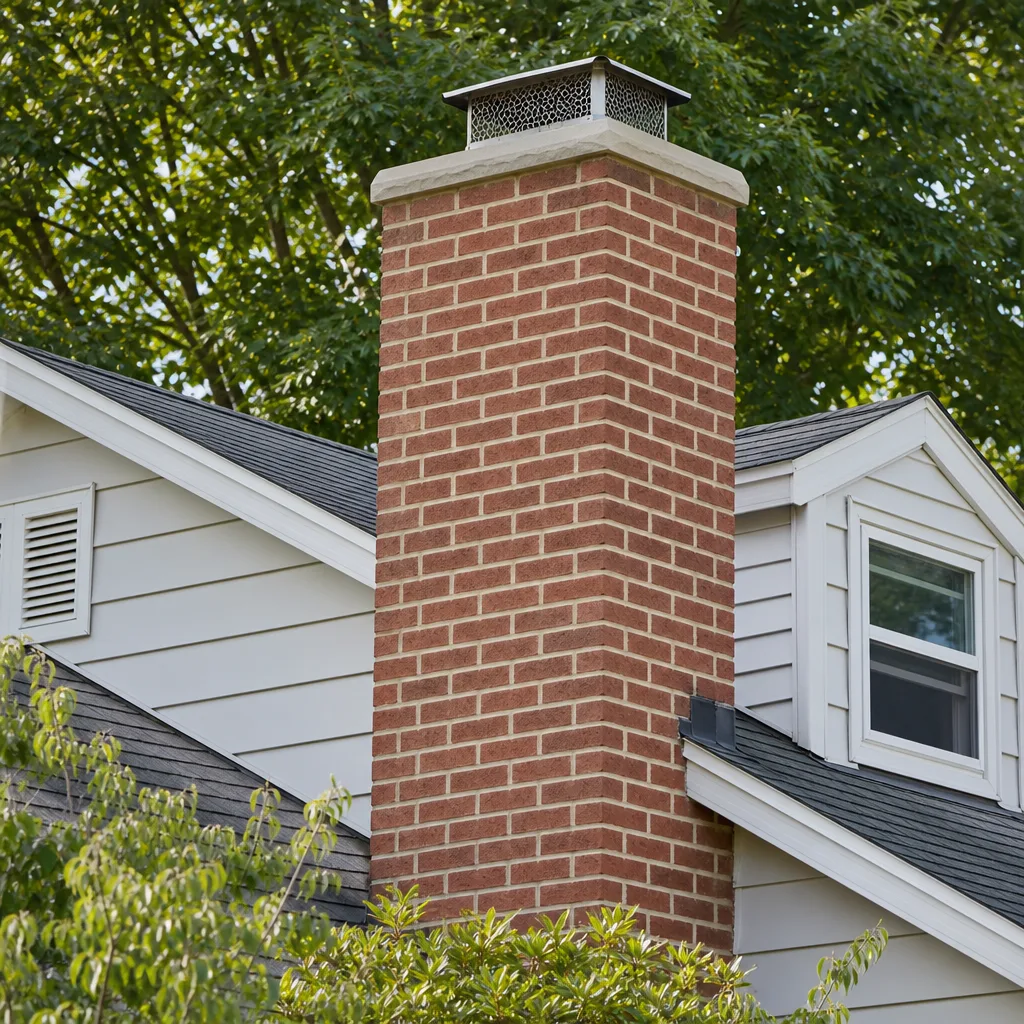
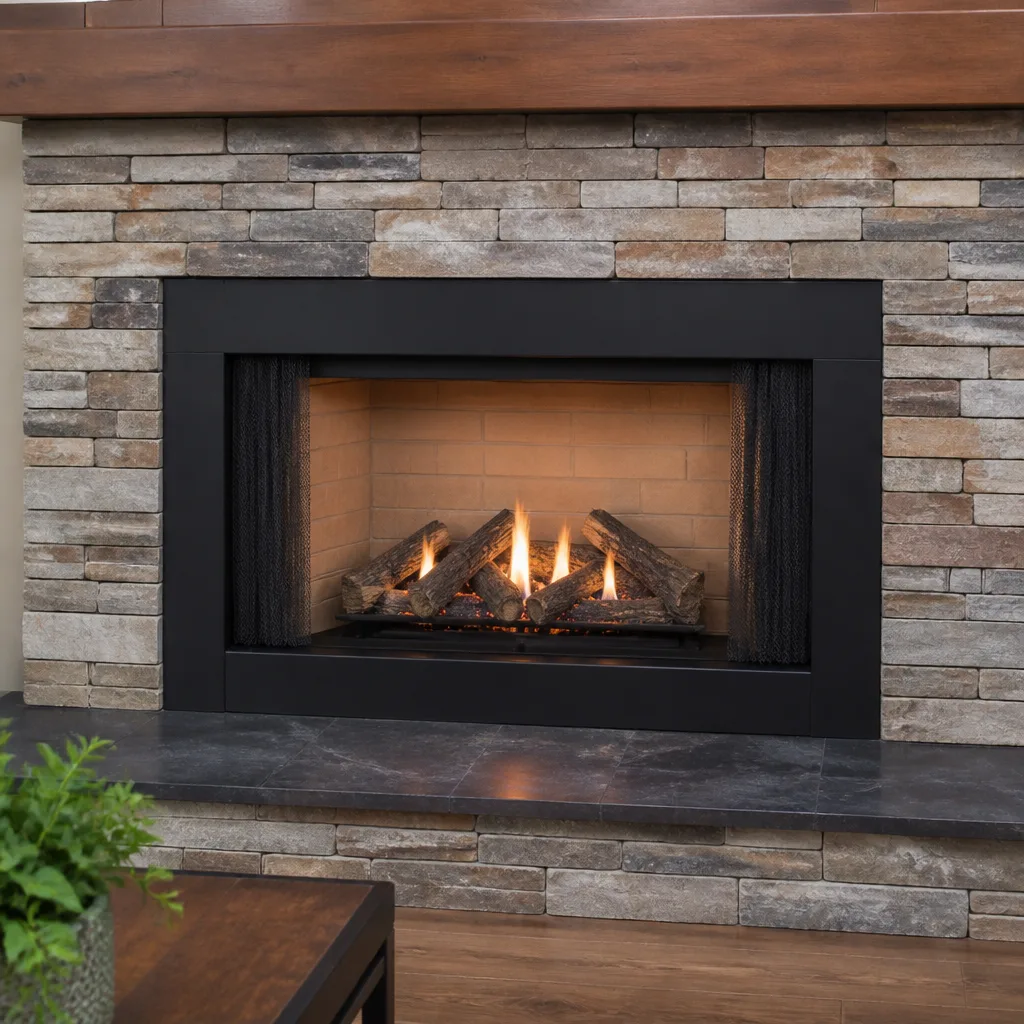
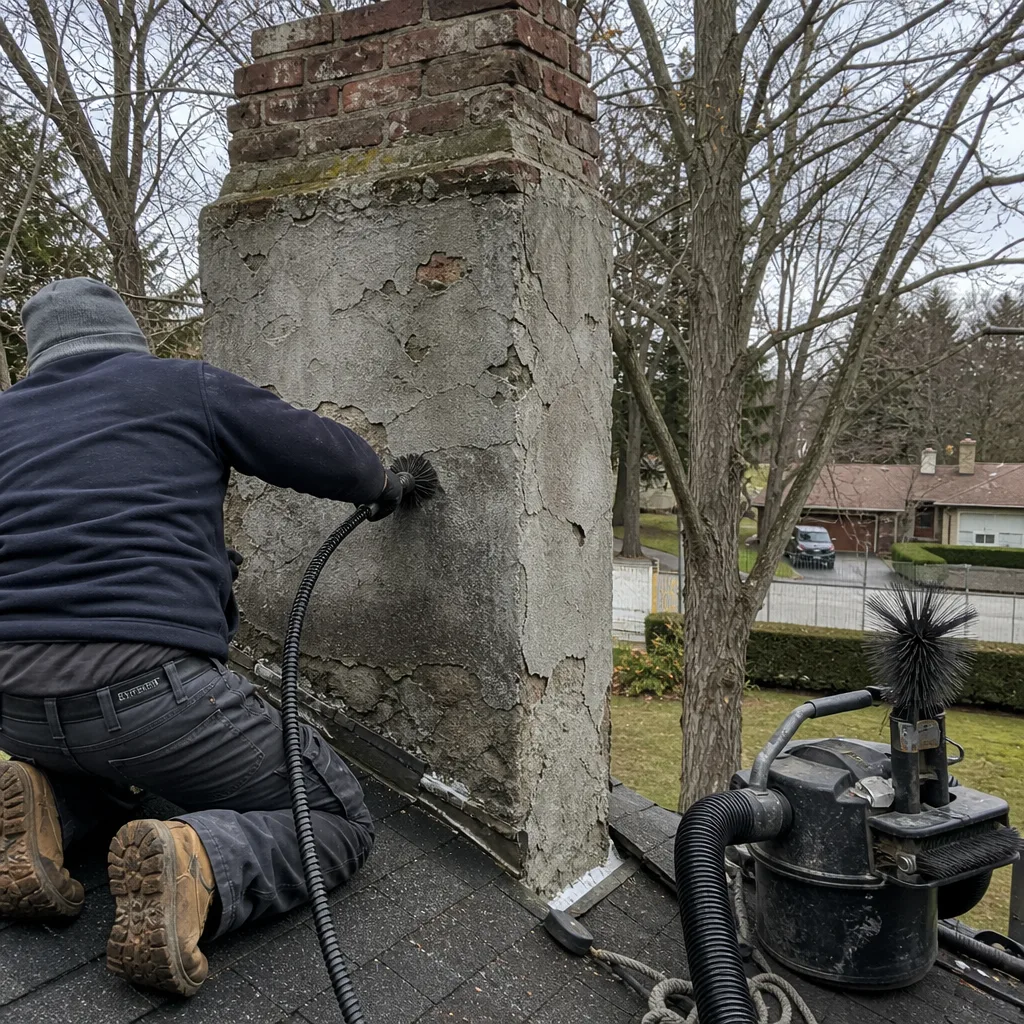 Before
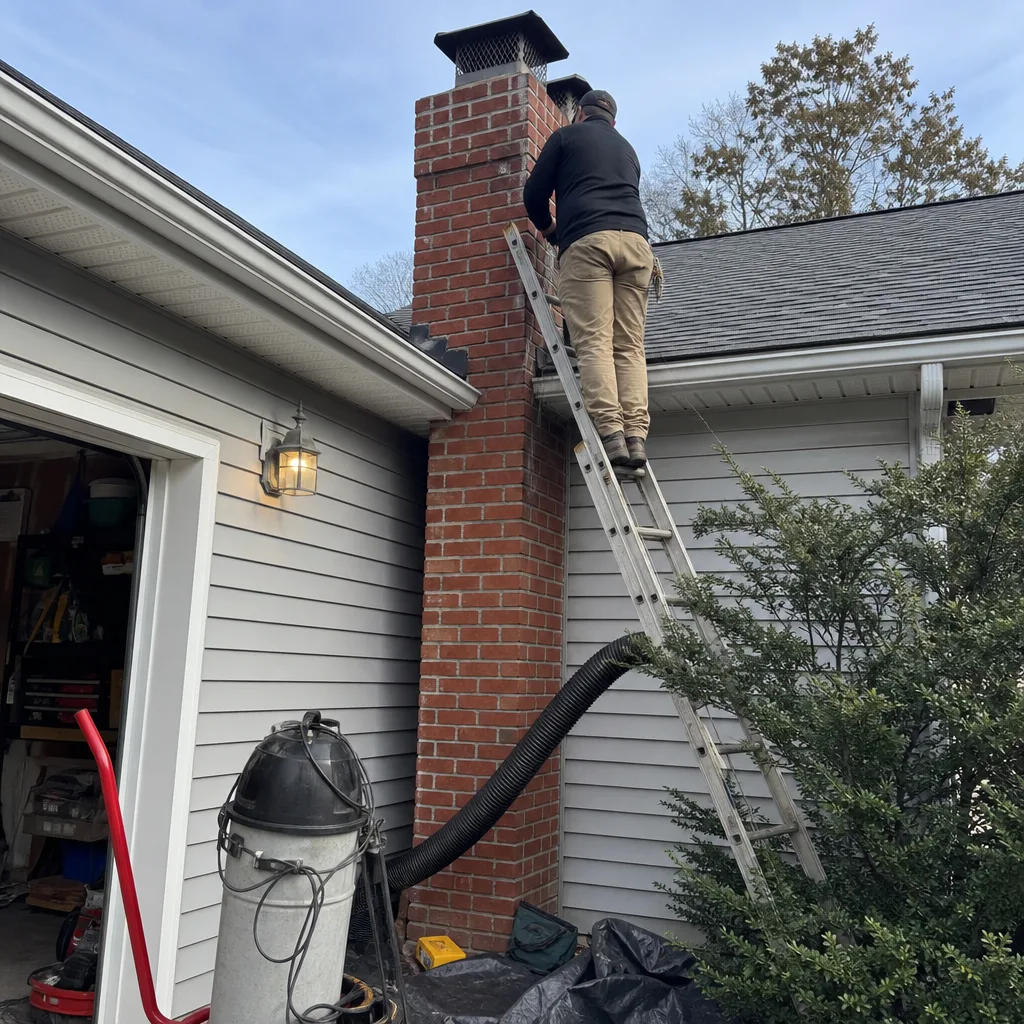 After
After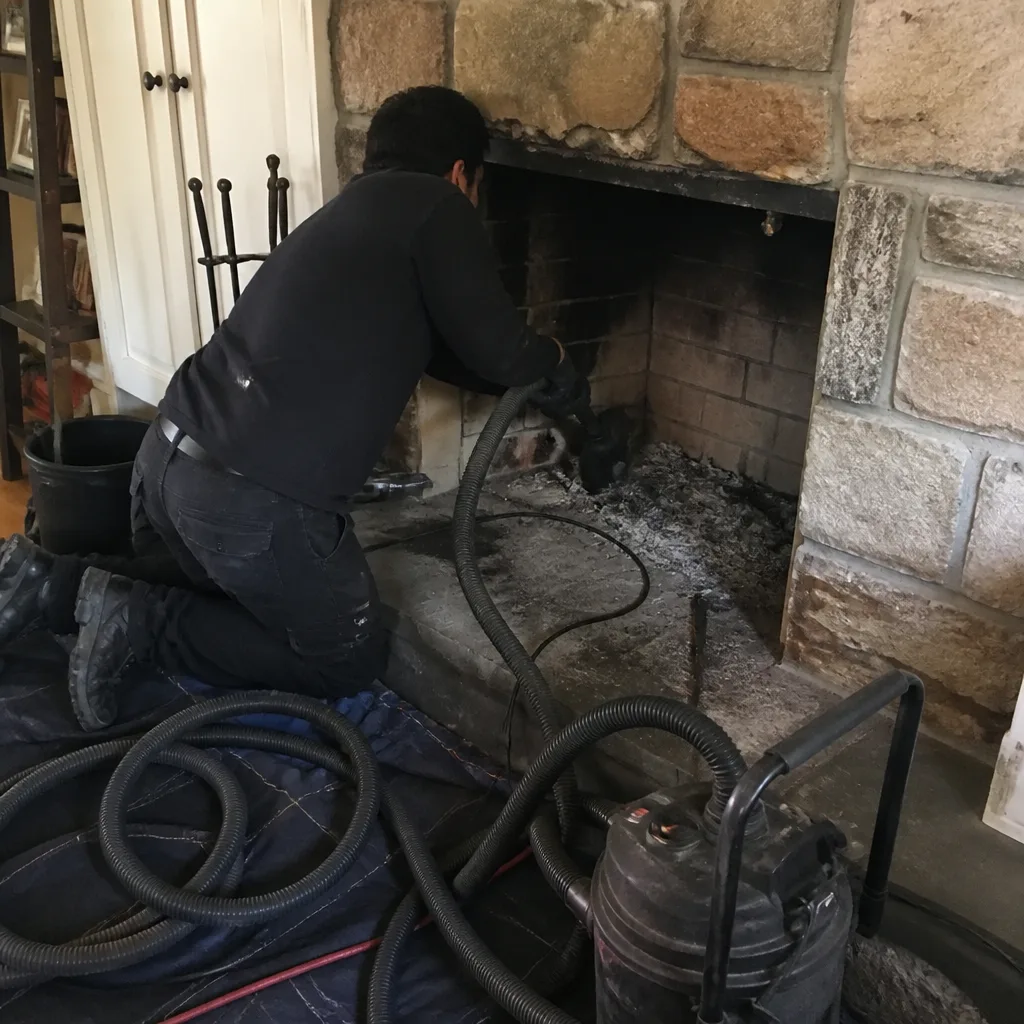 Before
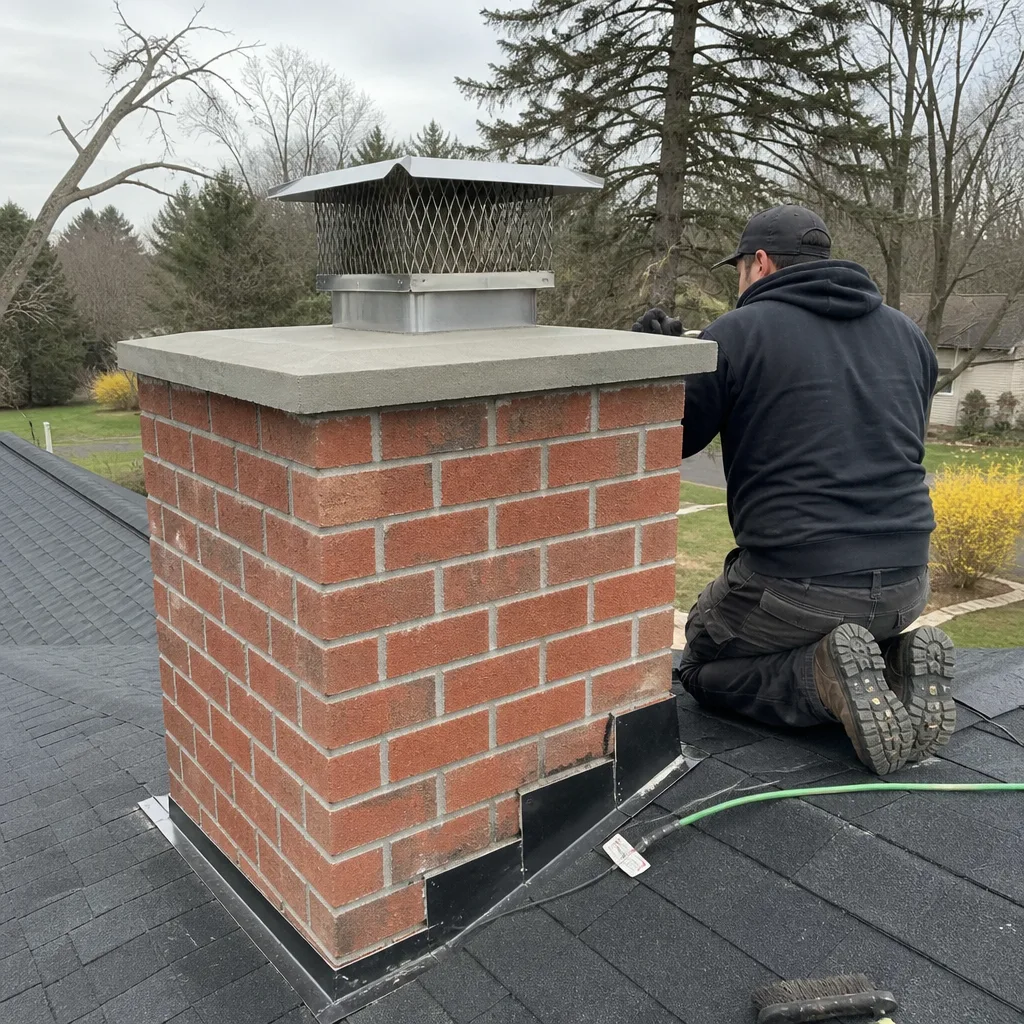 After
After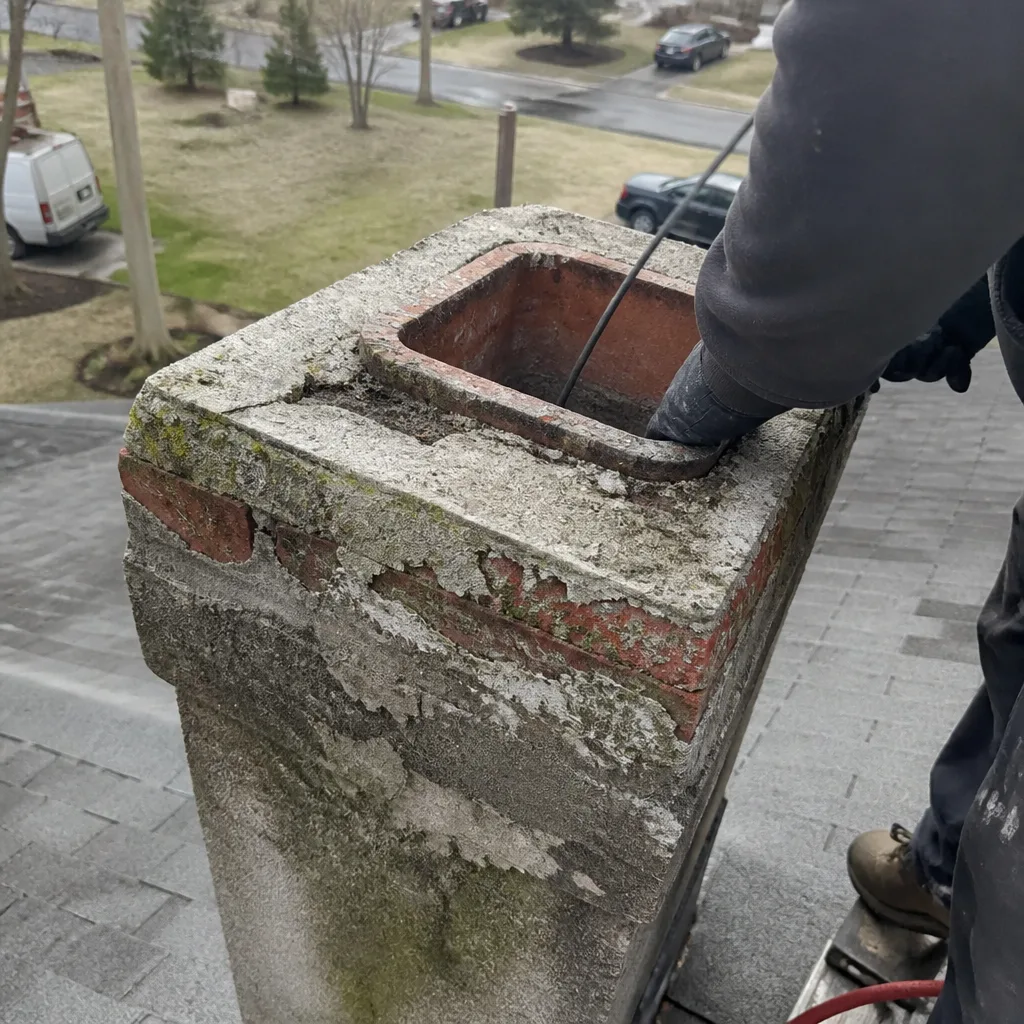 Before
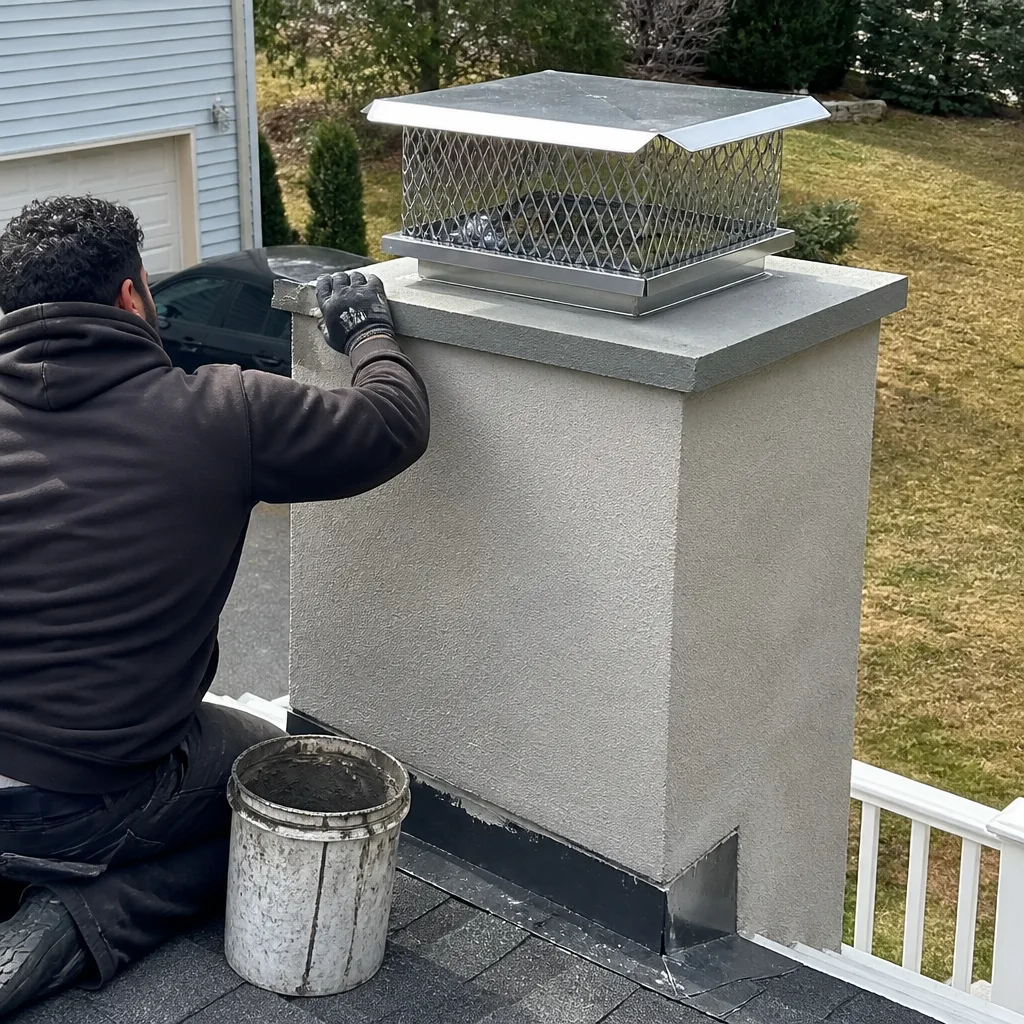 After
AfterFamco Chimney Cap Installation: The Dix Hills Owner’s Guide
We stock and install Famco chimney caps throughout Dix Hills and the Half Hollow Hills area, with most installations running between $285 and $485 depending on the cap model and the condition of your flue tile. We keep the most common Famco sizes on the truck, so if your cap is a standard fit, we can usually handle it in a single visit. The way most Dix Hills homeowners discover they need this service is simple: they hear rain dripping down the chimney during a storm, or they spot rust flakes collecting on the hearth, or they glance up from the driveway and notice the cap is listing to one side like a tired weathervane. Sometimes it is the cap itself that fails. Sometimes it is the mounting hardware. Either way, the fix is a lot cheaper if you catch it before water has been working on your flue for a season or two.
Which Famco Models This Applies To
Famco makes a broad line of chimney caps, and the installation approach depends on which style you have. Their standard galvanized and stainless steel single-flue caps are the most common in Dix Hills homes, typically sized to fit flue tile dimensions from 8″ x 8″ up to 13″ x 13″. Famco’s multi-flue caps are a different animal entirely: they mount across the full chimney crown and need to be custom-cut to width on site, which is why you cannot just order one online and expect it to drop into place. There are also the draft-increasing and wind-resistant models, which matter if you have a fireplace in Dix Hills that backdrafts on windy days, a problem we see often in homes near the higher elevations where the nor’easters blow unobstructed.
Identifying your current cap is usually straightforward: Famco stamps the model number on the underside of the lid or on the mounting collar. If the stamp has rusted away, a measurement of the flue tile opening works just as well. Now, the OEM-versus-aftermarket question. Famco makes a solid product, but their galvanized caps have a shorter lifespan in our climate than stainless steel, which is the honest reason we recommend most Dix Hills homeowners upgrade to a stainless replacement when the original fails. It costs more up front, but galvanized and Long Island ocean air are not friends, and stainless buys you a decade or more of service.
One note for the record: Top Hat Chimney is an independent chimney service company. We install and service Famco products regularly, but we are not affiliated with Famco, and our warranty on workmanship comes from us, not from the manufacturer.
Signs Your Famco Chimney Cap Installation Is Failing
- Water in the firebox after heavy rain. This is the classic. The cap mesh is still there, but water is finding its way around the base or through rust holes. We find this on Dix Hills chimneys that face east, where storm-driven rain beats directly against the cap.
- Rust stains on the flue tile interior. You will see orange-brown streaking when you shine a flashlight up from the firebox. The cap is rusting, and every rain carries rust and water down into your flue.
- Cap leaning or sitting off-center. The mounting legs or clamp have loosened. Snow loads and repeated freeze-thaw cycles in Dix Hills winters slowly work the hardware loose. A leaning cap channels water directly onto the crown, which accelerates crown cracking.
- Rust flakes and debris on the smoke shelf or damper. This means the galvanized cap has degraded to the point that pieces are actively falling down the flue. By the time you see this, the cap is done.
- Animals in the chimney. If the mesh has rusted open or pulled away, small animals get in. We have pulled more than one squirrel nest out of Dix Hills chimneys this way. The cap’s mesh is the only thing keeping them out.
Replacement Cost & What’s Included
A Famco chimney cap installation in Dix Hills typically lands between $285 and $485 total, installed. What drives the range is the cap type: a standard stainless single-flue cap runs higher than a galvanic replacement because the part costs more, and a multi-flue cap that requires cutting and fitting will be at the higher end, since the cap itself is larger and the roof work takes longer.
The number we quote includes the cap, the mounting hardware, the labor to get onto the roof safely, removal of the old cap, and a quick visual check of the flue tile and crown while we are up there. If we find crown damage while removing the old cap, we will show you photos before recommending anything else. Every installation is backed by our 90-Day Done Right Promise in writing. If the cap shifts, loosens, or leaks within 90 days of the install, one call brings Wendell back to make it right at no charge.
You will also get $40 off any repair over $200, which applies to chimney cap installations every time. If you have a written estimate from another company, bring it in and we will give you a free second opinion on whether the scope and price are honest.
DIY or Call Us?
Here is the honest split. What you can do safely from the ground: photograph the cap from the driveway with a zoom lens, check for rust stains around the flue opening from inside the house, and note whether the cap looks square or off-kilter. That tells you something is wrong, and it tells us what to expect before we arrive.
What is not worth doing yourself: getting on a Dix Hills roof with a chimney cap and a drill. Roof pitch, snow-slick shingles in winter, and the height of a second-story chimney make this a job where the risk is real and the savings are not. We use proper ladder stands, roof harnesses, and two-person crews for cap work. The cap has to be seated evenly and married to the flue tile with the right hardware, or the whole point of installing it gets lost. One wrong fall is a hospital stay. The cost of having us do it correctly is a lot less than either of those.
If you are comfortable doing the inspection part from the ground, that is great. We will take it from there. Call (631) 318-8656 and we will tell you exactly what to look for before we even schedule the visit.
FAQs
Galvanized caps typically last 5 to 8 years in the Dix Hills climate before rust becomes a problem; stainless steel caps usually run 15 to 20 years. The combination of ocean air, winter freeze-thaw cycles, and storm-driven rain wears galvanized hardware faster here than it does inland. If your cap is galvanic and more than six years old, it is worth a close look. Call (631) 318-8656 and we will tell you whether it has life left in it.
It depends on the damage. A bent mesh panel or a loose mounting leg can often be fixed for less than a full replacement. Rusted-through sheet metal or a broken mounting collar cannot. If it does not need replacing, we will tell you that. If it does, we will show you why.
Most single-flue Famco cap installations take 30 to 60 minutes from setup to clean-up. Multi-flue caps that need cutting and crown measurements run closer to 90 minutes. We will give you a window before we arrive, and if that window slips, we call.
We stock the most common Famco single-flue sizes on the truck: 8″ x 8″, 9″ x 13″, 13″ x 13″, and a few surrounding sizes. If your flue is an unusual dimension or you have a multi-flue crown, we will order the cap and schedule the install within the week. Call (631) 318-8656 with your flue measurements and we will tell you right then whether we have it on hand.
Written by Wendell Pike, Owner, Top Hat Chimney at Top Hat Chimney, serving Dix Hills and nearby areas.