
Last updated September 10, 2026
Level 1 sweep and inspection to the NFPA 211 annual standard - flue, crown, cap, and flashing checked and photographed
Chimney sweep logs do not sweep chimneys. They loosen some creosote - which then falls where a brush and vacuum still have to collect it.
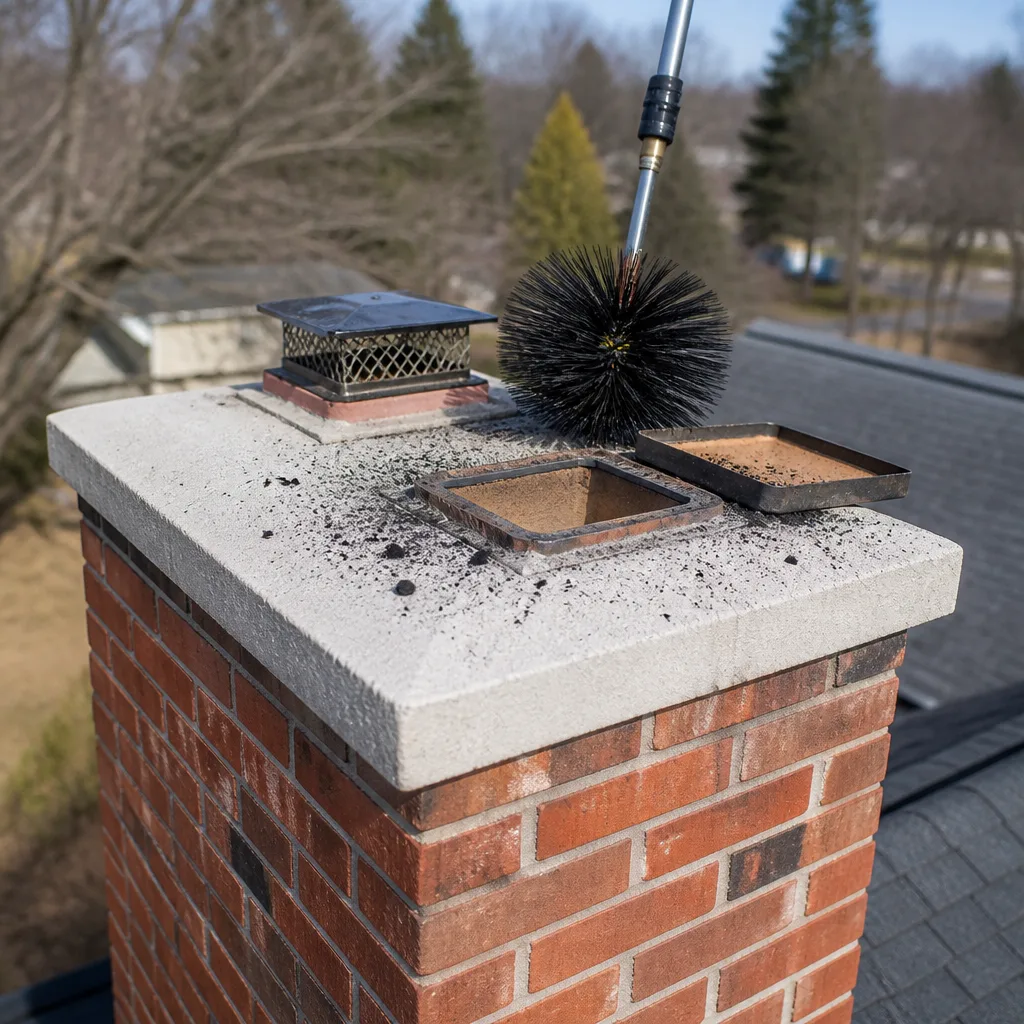
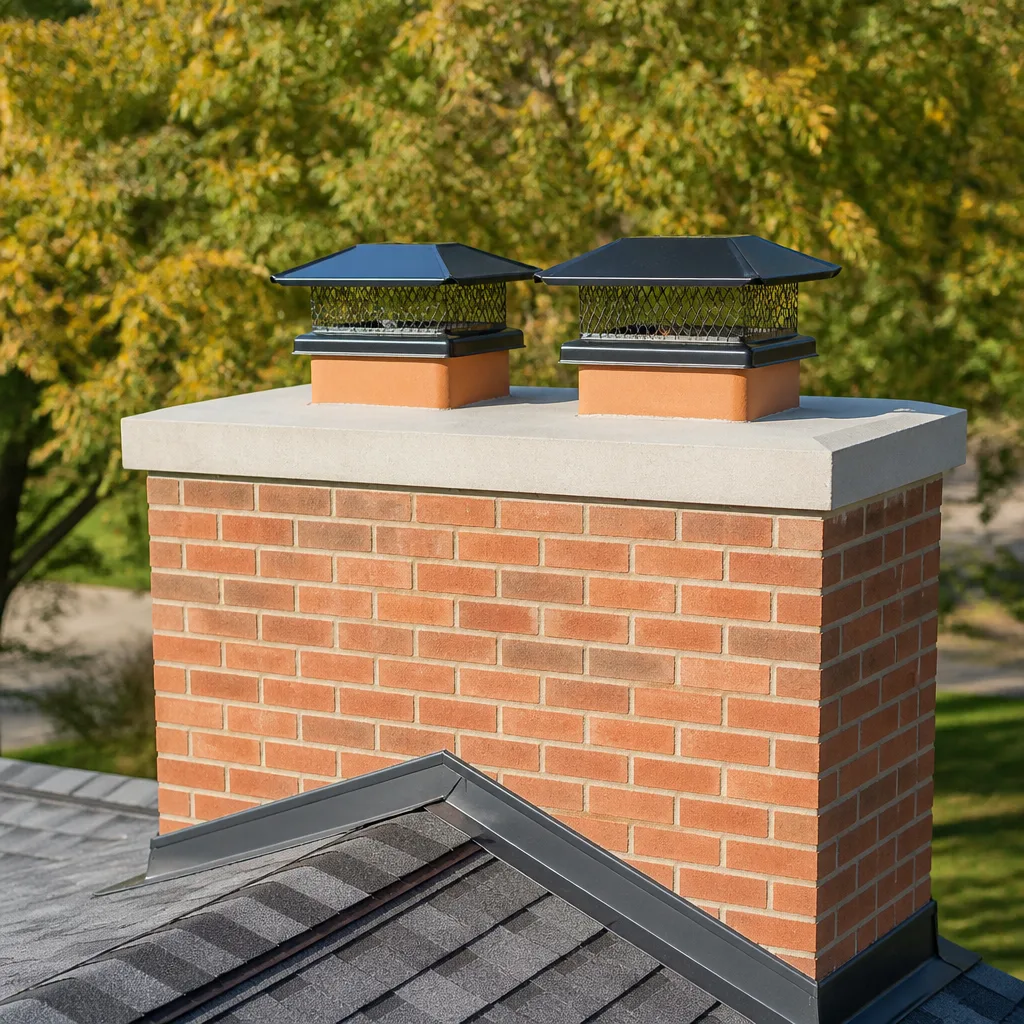
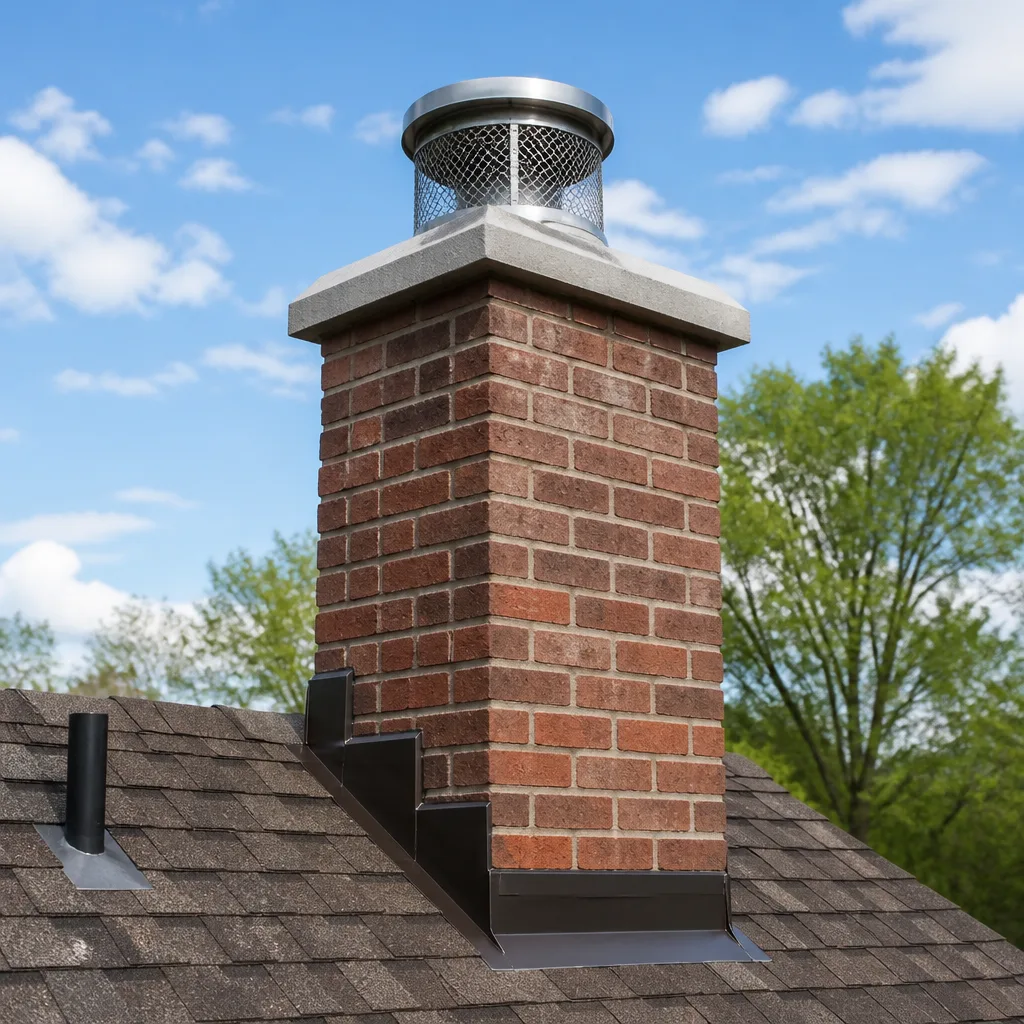
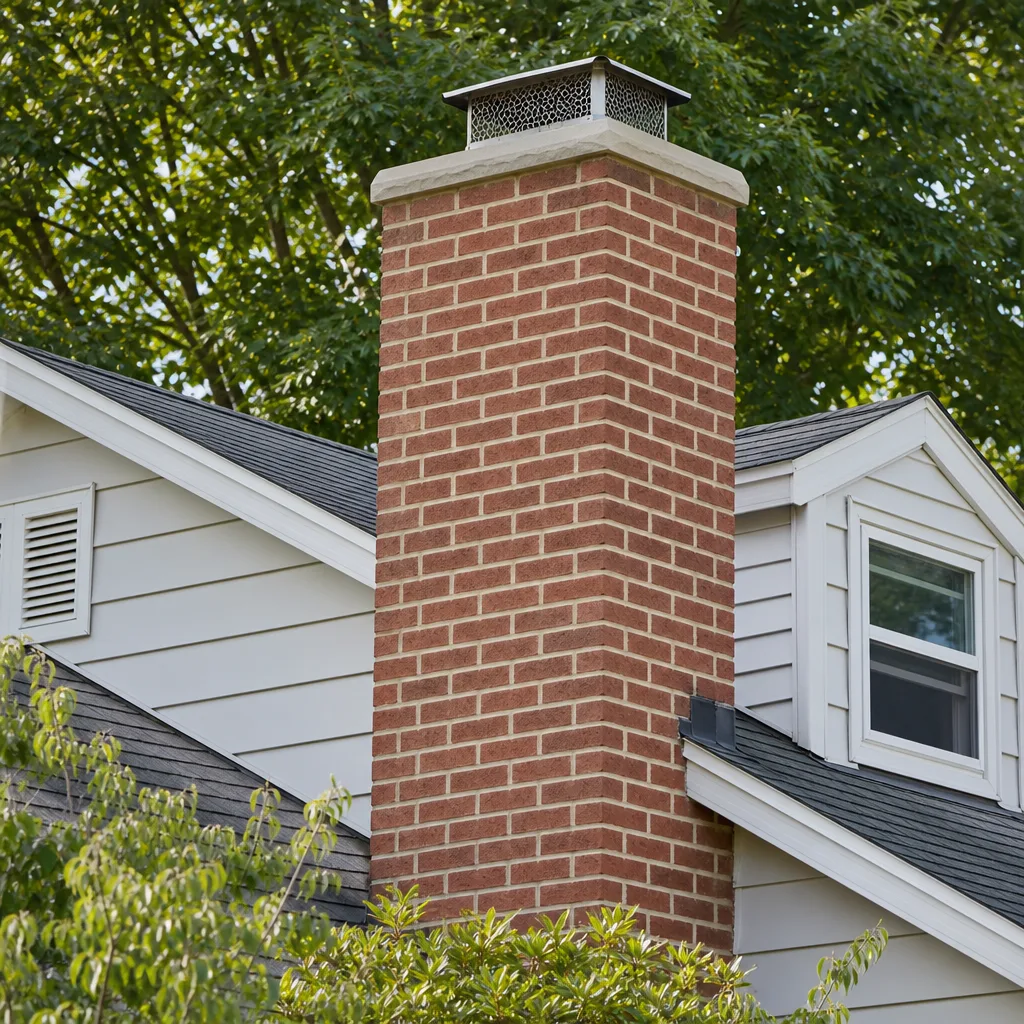
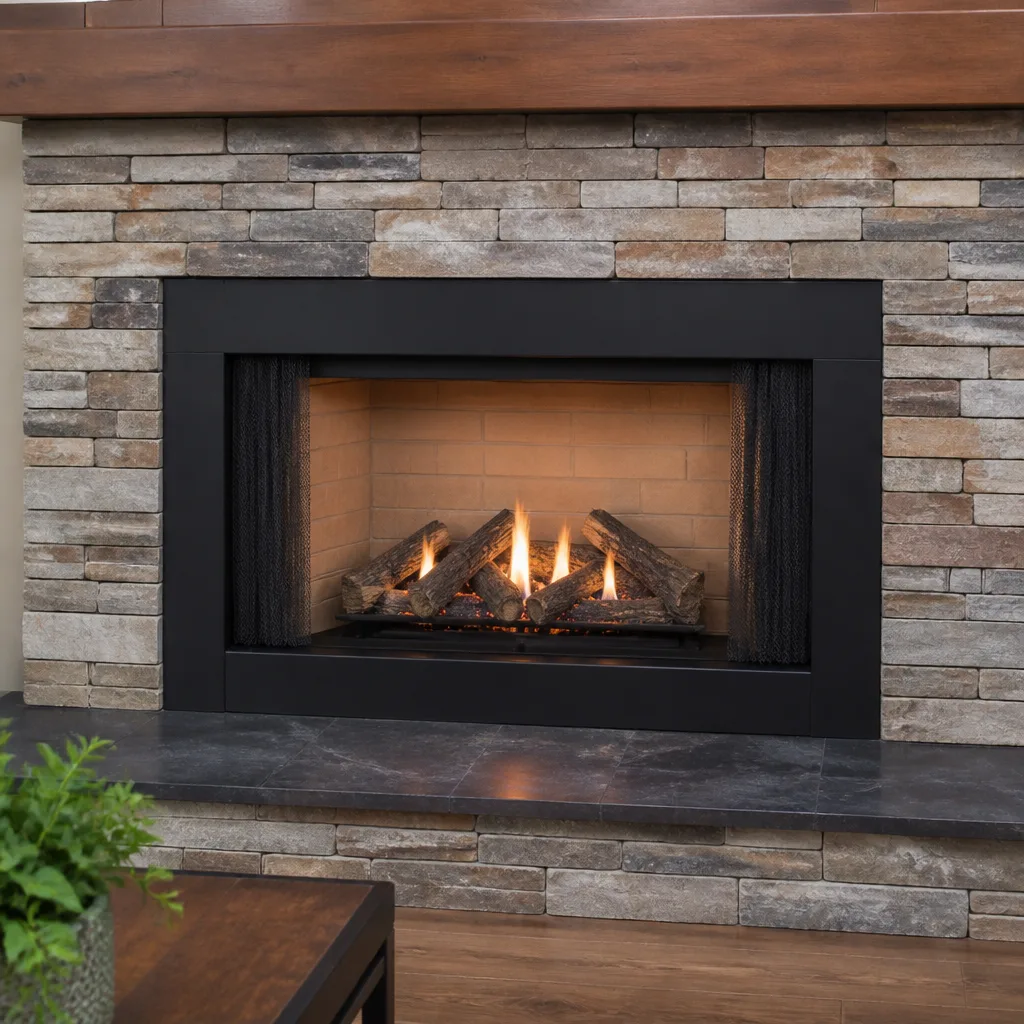
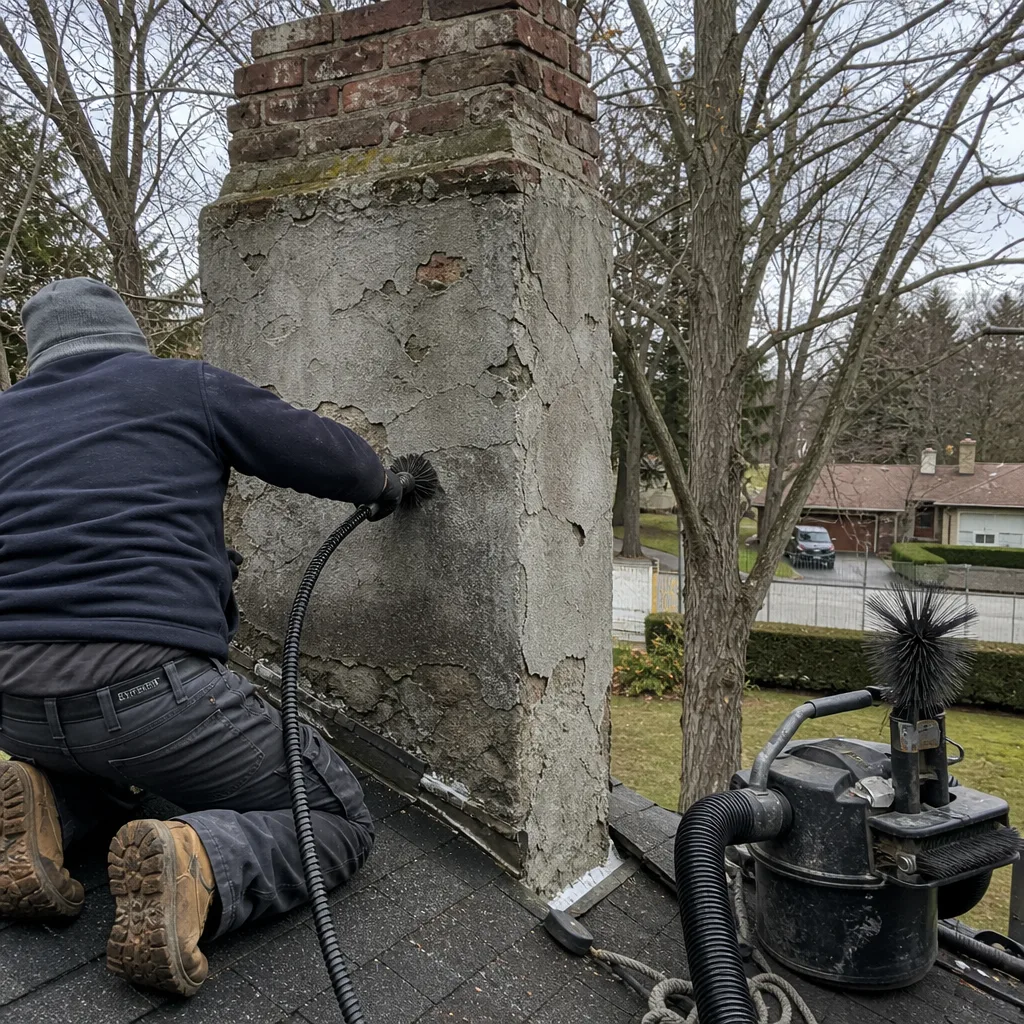 Before
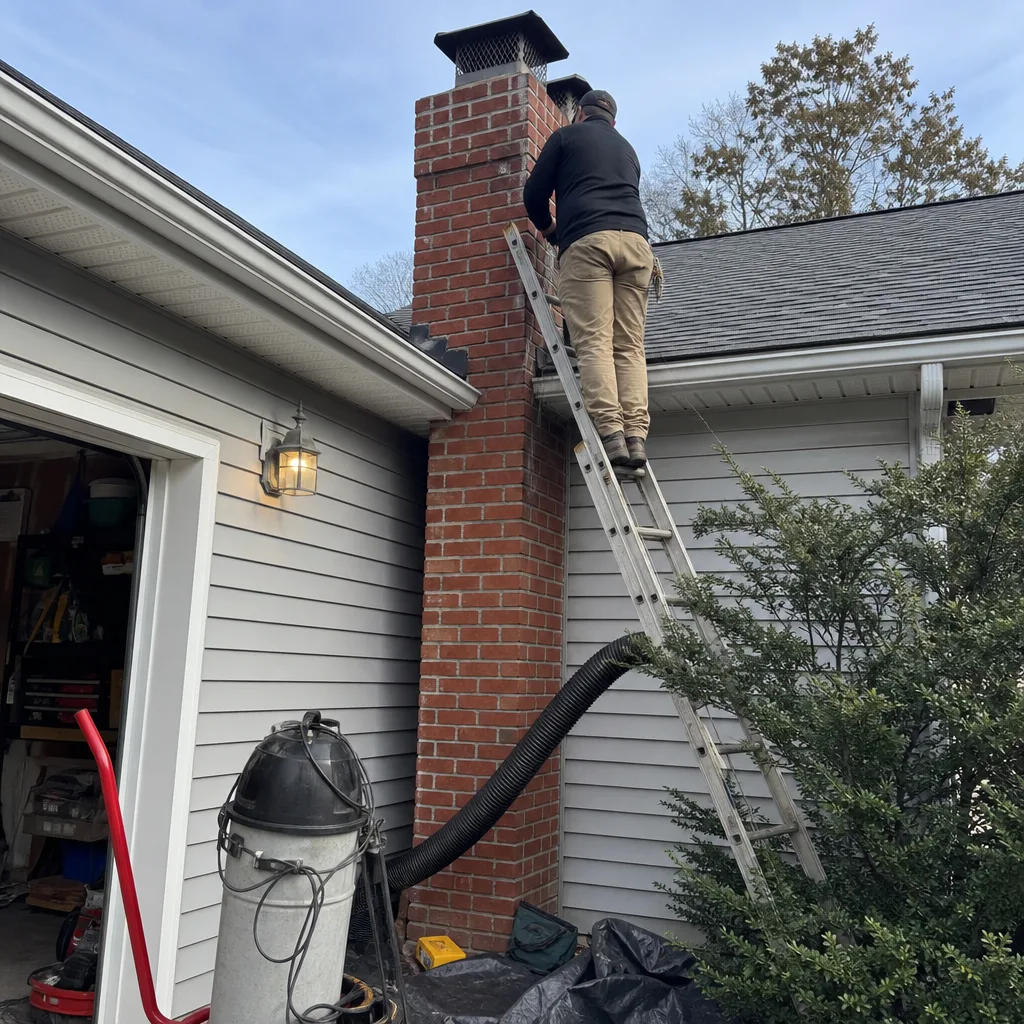 After
After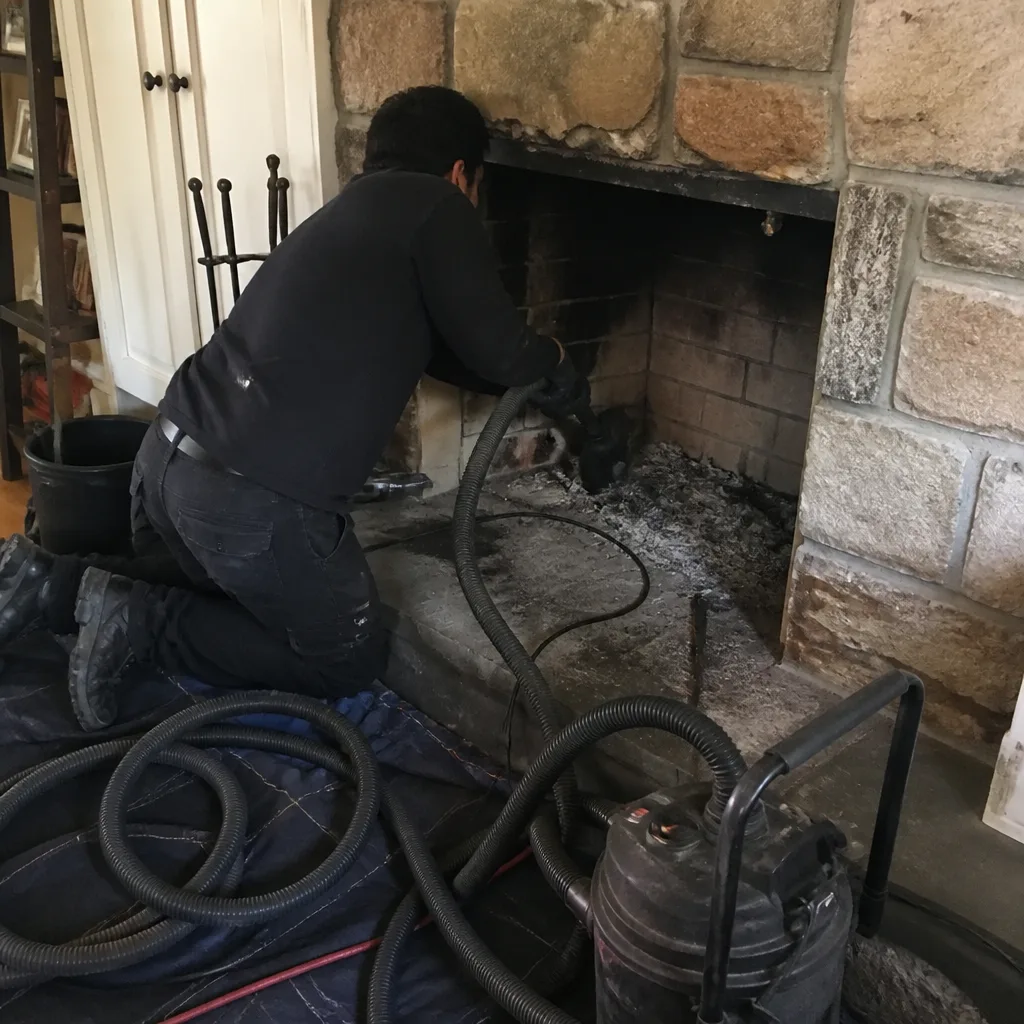 Before
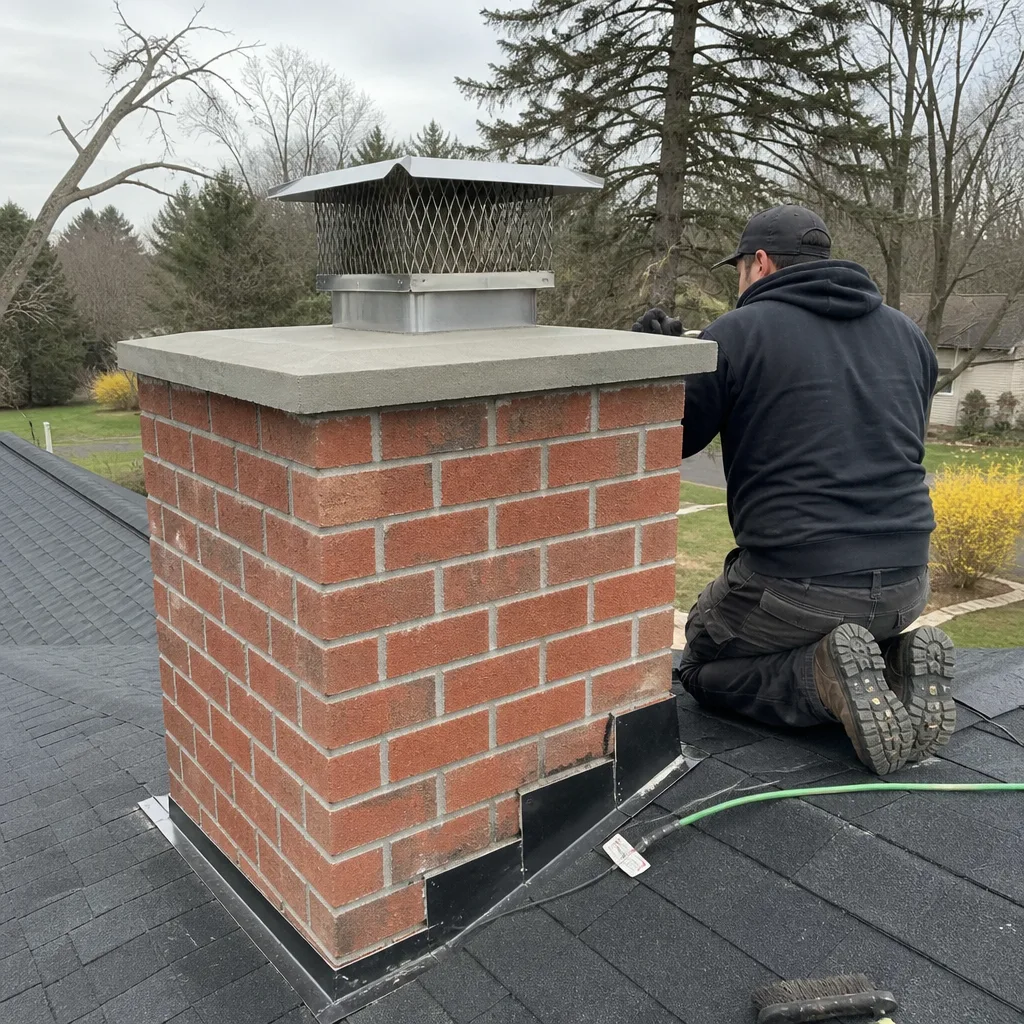 After
After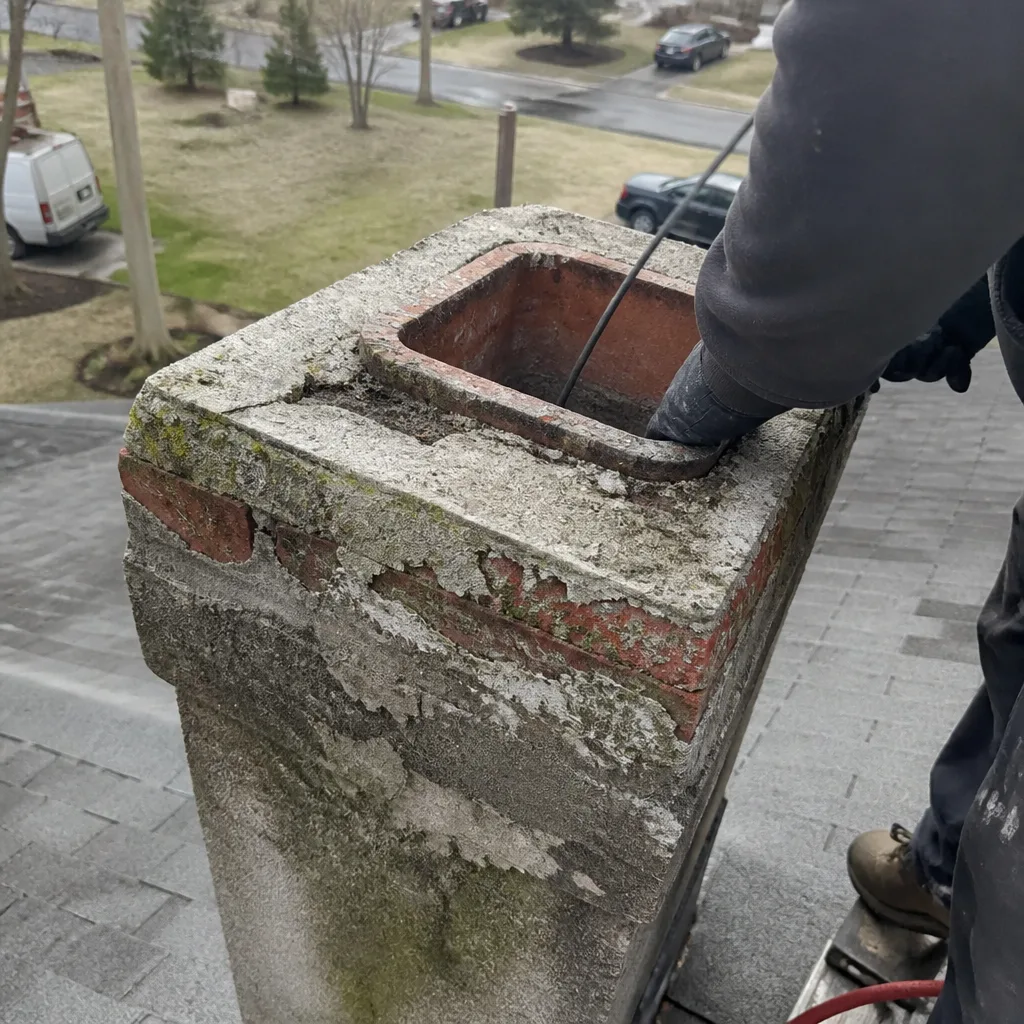 Before
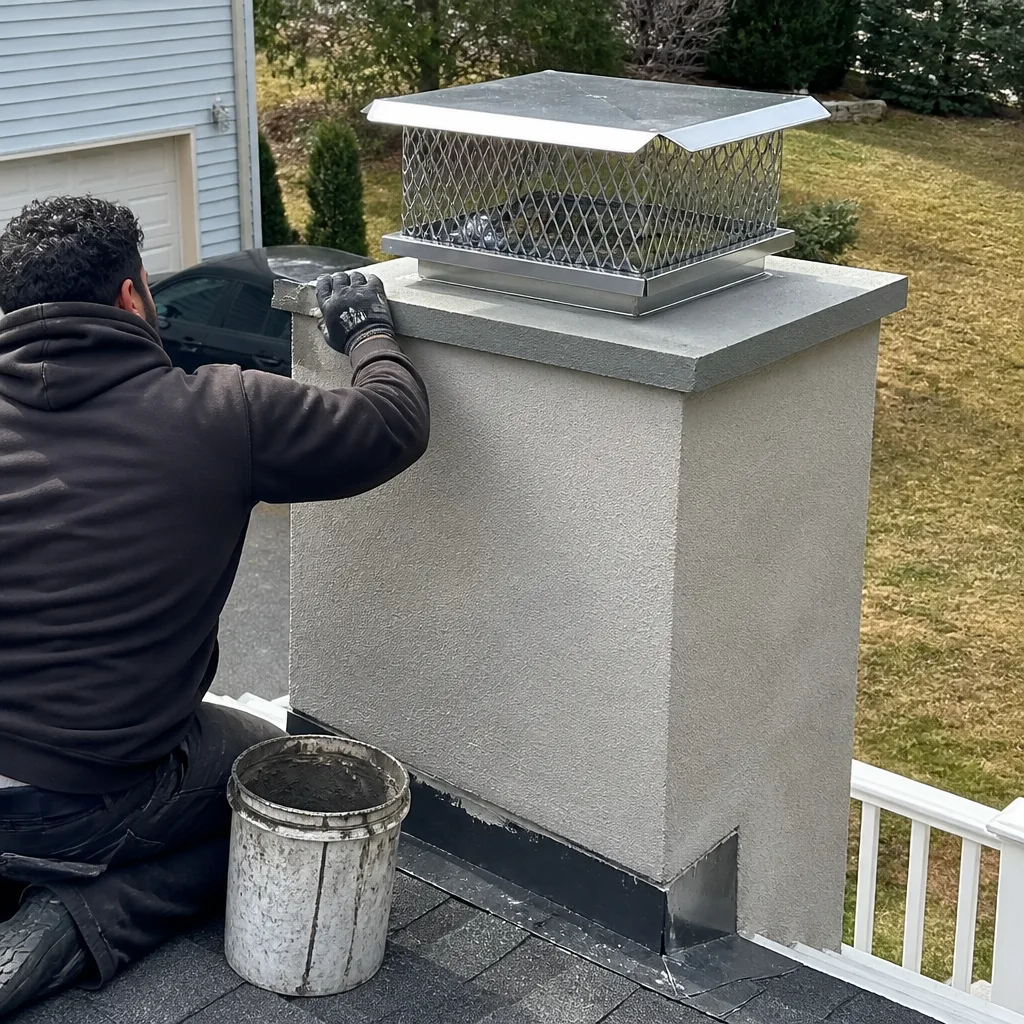 After
AfterChimney Cleaning Cost Breakdown: The Dix Hills Homeowner’s Reference for 2026
The $49 chimney cleaning coupon is still circulating on Long Island in 2026, and we still get calls about it every October. It is not a deal. It’s a door-opener, a way to get a truck in your driveway and a boot on your roof so someone can “discover” that you need $1,800 worth of work that somehow wasn’t mentioned on the phone. Understanding the real cost of a chimney cleaning in Dix Hills takes about three minutes, and it will save you from a very bad afternoon. This guide walks through what a fair price actually looks like here, why two quotes for the same flue can differ by $400, and how to tell an honest number from a low-ball that’s about to balloon. For Chimney Cleaning Warning Signs: A Dix Hills Homeowner’s Reference Guide, see our dedicated resource.
Quick Answer
A standard chimney sweeping in Dix Hills costs $180 to $340 for a typical masonry fireplace with a single flue, assuming no major creosote buildup or access complications. Homes with oil or gas flues, tall ceilings, steep roof pitches, or neglected chimneys will land on the higher end or beyond. The difference between a $175 quote and a $575 quote for the same house usually comes down to what’s included, what’s excluded until the truck arrives, and whether the company actually plans to clean the entire system or just the part you can see from the driveway.
Table of Contents
- What a Fair Chimney Cleaning Price Looks Like in Dix Hills
- The Legitimate Variables That Change Your Price
- The Illegitimate Variables That Inflate It
- How to Compare Two Quotes Without Guessing
- Level 1, Level 2, Level 3: What These Terms Actually Mean
- Do You Actually Need a Cleaning? How to Tell
- What the DIY Route Gets You (and What It Costs Later)
- What Happens When You Skip It: Creosote, Carbon Monoxide, and Your Liner
What a Fair Chimney Cleaning Price Looks Like in Dix Hills
Let’s start with the number you’re actually here for. For a standard Level 1 inspection plus sweeping on a masonry fireplace with one flue, a fair price in the Dix Hills market in 2026 is between $180 and $340. That range assumes the chimney has been maintained within the last few years, the creosote is first-stage or light second-stage, and the roof access is straightforward by Suffolk County standards. If you’re burning seasoned hardwood and getting swept annually, you should expect to land in the $200 to $275 zone most years. That’s the honest middle. Not the $49 coupon, not the $700 “comprehensive package,” but the number a local sweep who does this every day can actually run a business on.
Here’s a breakdown of what that fee generally covers in our area. This is the baseline. If a quote doesn’t include all of these line items, that’s where the price difference starts to show.
- Full flue brushing from top to bottom, including the smoke chamber and the firebox area below the damper.
- Removal of creosote, soot, and debris from the system, with the mess contained. Drop cloths, a HEPA vacuum, and no ash dust across your living room when they leave.
- A visual inspection of the accessible flue using a camera or strong light, checking for cracks, gaps, or liner damage.
- Damper function check and basic firebox inspection.
- A simple written report of what was found, what was removed, and what you need to watch going forward.
If the home is older, figure in the reality of Dix Hills housing stock. Many homes in the area were built between the 1960s and 1980s. That means clay tile liners that have seen decades of freeze-thaw cycles, and flashing that’s been keeping Long Island nor’easters out, or not. Sweeping a 1972 chimney that hasn’t been touched in five years takes longer than sweeping a 2018 build that got serviced last fall. That time difference is real and it shows up on the invoice, and a good sweep will tell you that before he starts, not after he’s done.
For a first-time cleaning on a chimney with unknown history, in our experience, the Dix Hills market generally lands between $280 and $420. That’s not an upsell. It’s the cost of being thorough on a system that hasn’t been maintained, and most reputable local sweeps will quote this range over the phone once they know the house’s age and last cleaning date. If someone quotes you $79 sight unseen for a chimney with no maintenance history, ask them what exactly they plan to do in the 20 minutes that price covers. Visit our Chimney Cleaning & Sweep in Dix Hills page for specifics on how we structure our service.
The Legitimate Variables That Change Your Price
Not every price difference is a scam. Some chimneys are harder to clean than others, and some systems genuinely require more time, more equipment, or more risk management. A sweep who quotes you honestly is going to ask about these things on the phone before arriving, not after. Here are the variables that legitimately move a chimney cleaning quote in Dix Hills.
Flue Height and Roofline Access
Dix Hills is not flat-roof country. The community’s housing mix includes ranch homes with low, walkable roofs, and also substantial colonials and contemporary builds where the chimney crown sits 40 feet off grade or more. A single-story flue on a 4/12 pitch roof is a quick, safe access job. A two-story flue with the cap near the ridge line and a 10/12 pitch requires a different ladder setup, more time on the roof, and sometimes a safety harness. Flue height alone can account for a $60 to $120 difference between two identical houses standing a block apart. A good sweep will ask about the roof before he quotes a firm number.
Creosote Stage
This is the biggest legitimate variable, and it’s one no one can see from the ground. First-degree creosote is a brush job. Fluffy, gray, comes off with standard sweeping. Second-degree creosote is darker and harder, and may require more aggressive brushing or rotary rods. Third-degree creosote is what we see in chimneys that have burned unseasoned wood or been neglected for a decade. It’s a hard, shiny glaze that bonds to the flue walls. It doesn’t brush off. Removing it requires chemical treatments, rotary chain whips, or in serious cases, a different kind of conversation about the flue’s future. The $49 coupon sweep brushes whatever comes off and leaves the rest, because actually removing third-stage creosote takes hours and specialized equipment. That’s exactly why the coupon exists.
Liner Type and Condition
Clay tile liners clean differently than stainless steel. Stainless is smooth and responds well to a standard brush. Clay tile, especially older tile with cracks or offset joints, catches creosote in the gaps and requires more care, because aggressive brushing against a compromised clay liner can chip it further. And if you have a home in Dix Hills with an unlined chimney, which we still encounter in older split-levels and capes built before modern codes required liners, the cleaning conversation changes entirely. Unlined chimneys shouldn’t be used for heat without a liner, period. That’s not an upsell, it’s a code and safety reality. We work with liners from Olympia Chimney and Copperfield because they’re brands we’ve installed and trusted for years, and we’ll show you camera footage of exactly why a liner is or isn’t needed before anyone quotes you a dollar figure.
Chimney Access from Inside the House
Some fireplaces in Dix Hills are built with clean access from inside the house. Others require roof access only. And still others, especially in converted 1970s homes with wood stoves, have flues that run through cathedrals, with no interior cleanout at all. If the sweep has to work entirely from the roof on a cold February morning, that changes the labor involved. Also relevant: whether the fireplace has glass doors, a chimney fan, or a wood stove insert that needs to be disconnected and reset before cleaning can happen. These are all normal parts of the job for a full-time local operation, but they’re time items, and time is the honest currency of chimney work.
The Illegitimate Variables That Inflate It
Now the other half of the equation. These are the things that drive prices up on paper without adding any actual value to the job. They’re the reason we publish our name and our license number, and the reason we started offering free second opinions on competing written estimates. A homeowner should never have to be an expert to know if they’re being taken for a ride.
The “Camera Inspection Fee” That Appears After Arrival
You booked a $119 sweeping. The sweep arrives, looks at the chimney, and tells you there’s an inspection fee, a camera fee, or a “Level 2 assessment” that wasn’t in the quote. Now you’re at $300 before a brush touches the flue. Here’s the plain truth: a camera check of the accessible flue is part of a basic chimney cleaning in 2026. It’s not a premium add-on. If camera inspection is treated as optional and separate, the company is either pricing dishonestly or planning to use the camera as a sales tool, and probably both. When we clean a flue in Dix Hills, the camera goes in as part of the job and the footage is shown to you before any repair conversation happens.
The Aggressive Chemical Treatment
Most chimneys do not need a chemical creosote remover. Most need brushing. Some with second-stage creosote may benefit from a treatment like Gelco products, which we do use, but only after we’ve shown you the condition that makes it necessary. If a company adds “creosote removal chemicals” as a line item on every single invoice regardless of flue condition, that’s a line-item habit, not a diagnosis. Ask to see the creosote before you agree to pay for anything beyond brushing.
The Phantom Liner Quote
This one is common enough in Suffolk County that we should talk about it directly. A sweep comes out, cleans the flue, and then tells you the liner is cracked, or pitted, or failing, and you need a new one. The quote is $4,500, and he’d be happy to schedule it. Maybe you do need a liner. And maybe you don’t. The only way to know is camera evidence, and the only way to trust the evidence is to watch it yourself, live, with the sweep pointing to the problem. A crack you can see on the screen is a fact. A crack described to you from the roof while you stand in the driveway is a sales strategy. Most legitimate liner work in Dix Hills homes is on chimneys from the 1970s and 1980s that have reached the end of a clay liner’s service life. It happens. It’s real. But it should always come with visual proof.
The Written Estimate That Isn’t Written
Any repair quote should be on paper, with a scope of work, a material list, a date, and a dollar figure. Verbal estimates that shift by hundreds of dollars between Monday and Thursday are not estimates, they’re negotiations, and you’re the only one at the table without information. When a repair is quoting, we put it in writing and tell you what’s necessary now, what can wait a season, and what doesn’t need doing at all. If a company won’t write it down, you shouldn’t agree to it.
How to Compare Two Quotes Without Guessing
So you’ve got two written quotes. One says $210. One says $530. Same house, same chimney. Before you decide the cheap one is the smart one, go through this list. It’s the same checklist we’d walk you through if you called us for a second opinion.
- Check the line items. Does the $530 quote include things the $210 quote doesn’t list at all, like camera inspection, a damper check, or a written report? Or does the $210 quote list them and the $530 quote just costs more for the same scope?
- Ask about the brush and rods. Is the flue being cleaned with the right diameter brush for your liner size? A 6-inch brush in an 8-inch flue leaves creosote behind and takes half the time. Ask what size flue they’re assuming.
- Ask what they do if creosote is worse than expected. A honest company will tell you there may be an additional charge for second or third-stage creosote and explain the rate before starting. A dishonest one won’t mention it until the scary photo comes out.
- Ask to see the camera footage. Both companies should say yes without hesitation. If one says it’s extra or they don’t use cameras in 2026, take that seriously.
- Check the guarantee. What happens if they miss a spot and you find out in January when the house fills with smoke? Is there a written promise to return and make it right, and does the company have a phone number a human actually answers? The guarantee is worth real money, maybe a few hundred dollars, and it’s invisible until you need it.
- Look for the person behind the company. Is there a name, a license number, a physical address you could drive past? In Dix Hills, the difference between a local operation and a rotating franchise is the difference between someone who will be at the hardware store in your town next month and someone whose phone number will be disconnected in April.
Here’s the pricing table we tell people to use as a sanity check for standard masonry fireplaces in Dix Hills in 2026. These are honest ranges, not coupon numbers.
- Annual maintenance sweeping (single flue, good condition): $180 – $275
- First cleaning in 3+ years or unknown history: $280 – $420
- Heavy creosote removal (stage 2 or 3, with chemical treatment): $350 – $600
- Standard sweeping plus minor repair (new damper, top-seal cap): $450 – $800
- Camera-only inspection, no cleaning: $120 – $200 (should be included in any full cleaning)
- Liner installation, stainless steel, typical Dix Hills single-story flue: $2,800 – $5,500 depending on flue length, access, and liner brand
These are the numbers we see in the field, on real houses, in this town. Not national averages, not online estimate calculators. Your chimney may differ, and the only way to know is to have someone put eyes and a camera on it. But these figures will keep you oriented when a quote arrives.
Level 1, Level 2, Level 3: What These Terms Actually Mean
The inspection levels come from the National Fire Protection Association’s NFPA 211 standard, and they’re worth understanding because a surprising number of companies wave them around without explaining what they mean. Here’s the plain-English breakdown, no code book required.
Level 1 inspection is the standard annual check that happens during a routine cleaning. It covers the readily accessible parts of the chimney: the flue interior, the damper, the firebox, the cap if visible. A Level 1 is the right call when you’re using the chimney the same way you always have, with the same fuel, and nothing has changed. In Dix Hills, most homes that burn wood every winter need a Level 1 with every cleaning. It’s part of the baseline, not an upsell.
Level 2 inspection is triggered by a change: you bought the house, you’re switching fuel types, you had a chimney fire, you’re selling the home, or there was an event like a storm that may have damaged the flue. A Level 2 includes everything in Level 1 plus camera inspection of the entire flue, the attic pass-through, and the chimney exterior. This is what we recommend for any Dix Hills homebuyer closing on a house with a fireplace, because the standard home inspection doesn’t look inside the flue. We see issues in residential resales all the time, cracked liners, missing caps, improper repairs done years before, that only a camera catches. Visit our Chimney Repair in Dix Hills page to see the kind of issues a Level 2 uncovers.
Level 3 inspection is invasive. It may involve removing sections of chimney or opening walls to access hidden parts of the system. This is rarely needed for routine maintenance and usually follows a structural concern, a deep creosote fire, or a serious water leak in the chase. If someone tells you that you need a Level 3 during a routine cleaning, ask to see the reason. It’s not a common recommendation.
The takeaway: Most Dix Hills homeowners should expect a Level 1 included with their standard sweeping, and a Level 2 when buying a home or after a chimney event. Any company charging a separate “inspection fee” on top of a cleaning without explaining which level they’re performing and why is adding a line item you shouldn’t accept at face value.
Do You Actually Need a Cleaning? How to Tell
This is the question Wendell gets most often at the hardware store, and the honest answer is: once a year, burn or no burn. For Chimney Cleaning Permits, Codes & Inspections in NY: What You Need to Know, check our compliance guide. Chimneys break in the off-season too. But if you’re looking for signs, here’s what a Dix Hills homeowner can check without getting on the roof.
First, look at your fireplace with a flashlight. Can you run a finger along the flue wall above the damper and come back with a thick, black, flaky coating? That’s creosote. One-eighth inch of it is enough to be a fire concern, and you can’t assess it accurately from the living room floor. Second, notice how the fire behaves. A fire that’s harder to start than it used to be, that smokes back into the room, or that doesn’t draw as well as it did last winter often signals restricted airflow. Restricted airflow means buildup in the flue. Third, listen to the house. A chimney that’s been neglected often announces itself with a smell, a sharp, acrid creosote odor in the living room during humid summer days. If your Dix Hills living room smells like a campfire in July, the flue is calling for attention.
But here’s the truth we tell people who ask if they can skip a year: a clean chimney can hide a problem, but a dirty chimney will absolutely create one. The buildup itself is fuel. The clog is a carbon monoxide risk. The corroded damper gets stuck when you need it closed. Most of the chimney fires in Suffolk County we’ve followed up on in the past decade were chimneys that “looked fine” from the outside and hadn’t been cleaned in three or more years. The cleaning cost always ends up less than the deductible, to say nothing of the scare. For more on what a proper sweep involves for local homes, see our guide to Fireplace Services in Dix Hills.
What the DIY Route Gets You (and What It Costs Later)
Hardware stores sell chimney brushes. YouTube exists. And plenty of capable Dix Hills homeowners have watched a video, bought a brush, and decided they’d save the $250. Here’s the straight answer: you can brush the easy part. You can clean the firebox and knock loose some first-stage creosote with a rod and brush. Most people cannot see the top of the flue, can’t see the cap, can’t see the upper third of the flue where the worst creosote often accumulates on cold Long Island nights. And you can’t inspect the liner seams or the interior of the smoke chamber from your living room floor.
The bigger risk is what you miss. A cracked flue tile, a partial blockage from an animal nest built by a squirrel in March, a rusted-out damper that’s about to fail, a water track from bad flashing that’s slowly eroding your mortar joints. The cleaning is only half the job. The inspection is the other half, and it’s the half that keeps a $250 cleaning from becoming a $4,000 repair next season. In our experience in Dix Hills, the homeowner who sweeps their own flue once without incident gets confident. The homeowner who does it for three years then calls us to find out why the fireplace suddenly won’t draw usually discovers a problem that would have been caught in year one for the price of a standard clean.
We’re not going to tell you to never touch your own chimney. But we will tell you what we’d tell a neighbor: the brush in your hand doesn’t replace the camera on the roof. And when it comes to your home insurance and the safety of the people sleeping above the firebox, the $250 starts to look like the cheapest insurance premium you’ll pay all year.
What Happens When You Skip It: Creosote, Carbon Monoxide, and Your Liner
This is the section where we explain the actual consequences of going a few years between cleanings, because the internet is full of vague warnings about “chimney safety” without ever explaining what specifically goes wrong. Let’s start with creosote, because it’s the one everyone has heard of and few people actually understand.
Creosote forms when wood smoke cools and condenses on the flue walls. It takes three forms. First-degree is fluffy and gray, and it falls off with a brush. Second-degree is darker, harder, and needs more mechanical work. Third-degree is a hardened glaze, dense and tar-like, and it burns hot enough to crack clay liners and spread into the surrounding framing. A chimney fire powered by third-stage creosote isn’t a little soot burn. It’s a structure threat. A Dix Hills home with a 1970s clay liner and a decade of third-stage buildup is a house fire waiting for the right cold night. That’s not scare-selling. That’s physics.
Carbon monoxide is the second risk, and it’s the one that doesn’t care whether you use the fireplace every day or twice a year. A flue clogged with creosote or debris restricts draft. Incomplete combustion pushes carbon monoxide out of the firebox and into the living space. It’s odorless, colorless, and the early symptoms, headache, fatigue, nausea, get chalked up to winter colds or bad sleep. Every winter on Long Island, people end up in the emergency room with carbon monoxide poisoning traced back to a chimney that wasn’t drawing. A clean flue and a working damper are the primary defense.
Then there’s the liner itself. Clay liners crack. It happens over decades of freeze-thaw cycling, especially in a climate like ours where winter temperatures swing from 20 degrees to 50 degrees and back. A cracked liner lets heat and gases reach the framing around the chimney. It also lets water in, which accelerates the damage. A stainless liner installed properly, brands like Famco and Copperfield are ones we’ve worked with for years, solves both problems when it’s needed. But you only know it’s needed if someone looks. That’s what the annual cleaning buys you: not just a clean flue, but a known flue.
The cost math is simple. A decade of $250 annual cleanings is $2,500, spread out over ten years, with a camera inspection every single time. One chimney fire is thousands, even if the house is saved. One carbon monoxide hospital visit is thousands. One liner failure is more. Your flue doesn’t care how the fire looks. It cares how it breathes. The money spent on the sweep is the cheapest money in the whole system.
Common Mistakes to Avoid
- Taking the coupon price at face value. The $49 or $69 Dix Hills-area coupon is a marketing cost for the company, not a real price. The company is paying to get in your door, and someone has to cover that cost. You already know who.
- Booking a cleaning without asking about the inspection. A cleaning with no inspection is half a job. If the company can’t tell you whether they camera the flue as part of the cleaning, keep dialing.
- Ignoring the age of your liner. Homes in Dix Hills built before the 1990s often have clay liners near the end of their life. The annual cleaning is the only thing that gives you early warning. Skip it long enough and you’ll meet the problem all at once.
- Agreeing to repairs without written scope. Never accept a repair quote that isn’t itemized on paper with a dollar figure and a date. If it’s not written, it didn’t happen, and when the price changes you’ll have no record of the original number.
- Comparing only the bottom-line number. Two quotes for $210 and $530 might be for two completely different jobs. Compare line items, not totals. The higher quote can actually be the honest one.
- Waiting until November to book. Every chimney company in Suffolk County is slammed from October through January. Book in August or September, and you’ll get better scheduling, more attention, and the same price before the winter rush.
- Assuming no fire means no need. Chimneys break in the off-season too. Water intrusion, animal nests, and corrosion all happen when the fireplace is cold. The annual sweep is maintenance, not just winter prep.
When to Call a Professional
Call a sweep in Dix Hills if you haven’t had the flue cleaned in more than two years, if you just bought the house, if you smell creosote or smoke when the fireplace isn’t in use, or if the fire doesn’t draw the way it used to. Call after any storm that damaged your roof or chimney, if you’ve had a chimney fire even a small one, or if you’re thinking about switching from wood to gas or vice versa. And call if you’ve been told you need a liner, a rebuild, or major repair and you want a second opinion before writing the check. Top Hat Chimney offers free estimates in Dix Hills, and we’ll give you a written number before any work begins. Reach us at (631) 318-8656.
Frequently Asked Questions
A standard chimney cleaning in Dix Hills costs $180 to $340 for a masonry fireplace with one flue in normal condition. First-time cleanings on neglected chimneys run $280 to $420. If your quote is under $100, ask what’s included and what gets added on after arrival.
Maybe. Clay liners in 1960s to 1980s Dix Hills homes are aging, and cracks do happen. But you should never accept a liner quote without watching camera footage that shows the problem clearly. If the company won’t show you the screen, get a second opinion before you sign anything.
Once a year, even if you rarely burn. Creosote accumulates with every fire, and moisture damage and animal nests happen regardless of use. The annual visit is both a cleaning and an inspection, and it’s the cheapest way to catch problems before they become repairs.
Creosote builds up, first fluffy and brushable, then dense and glazed. You risk restricted draft, carbon monoxide in the house, and in the worst case, a chimney fire. Skipped years also mean water damage goes undetected, and a two-year-old flashing leak is cheaper to fix than a ten-year-old one. It’s not a judgment, but it is a bill.
Most policies cover sudden events like chimney fires, storm damage, or lightning strikes, but they rarely cover neglect-related wear. If a chimney fire is traced to years of uncleaned creosote, the claim may be denied. The cleaning receipts are your documentation that maintenance happened. Save them.
In dollar terms, it covers the risk that a problem is missed during a standard cleaning and shows up later. If we sweep your chimney in Dix Hills and something we should have caught appears within 90 days, we come back and make it right at no additional cost. Without a written guarantee, you pay twice. With one, you pay once.
The Bottom Line
Chimney cleaning in Dix Hills is a $180 to $340 job for most maintained homes, and the price difference between quotes usually comes down to what’s included and what’s waiting on the truck. An honest number includes a camera inspection, a full brushing, a damper check, and a written report. The cheapest quote isn’t cheaper, it’s just less specific, and the surprise arrives after the sweep gets on the roof. Once a year, burn or no burn, and ask for the footage. It’s your chimney and your house. You should get to see what’s inside it, and you should get a written guarantee that the job was done right. If you’re in Dix Hills and want a straight answer, call (631) 318-8656 and ask for Wendell. He’ll tell you the truth, whether you book the job or not. That’s how we’ve done it since 1999.
Written by Wendell Pike, Owner at Top Hat Chimney, serving Dix Hills since 1999.