
Last updated September 10, 2026
Level 1 sweep and inspection to the NFPA 211 annual standard - flue, crown, cap, and flashing checked and photographed
Chimney sweep logs do not sweep chimneys. They loosen some creosote - which then falls where a brush and vacuum still have to collect it.
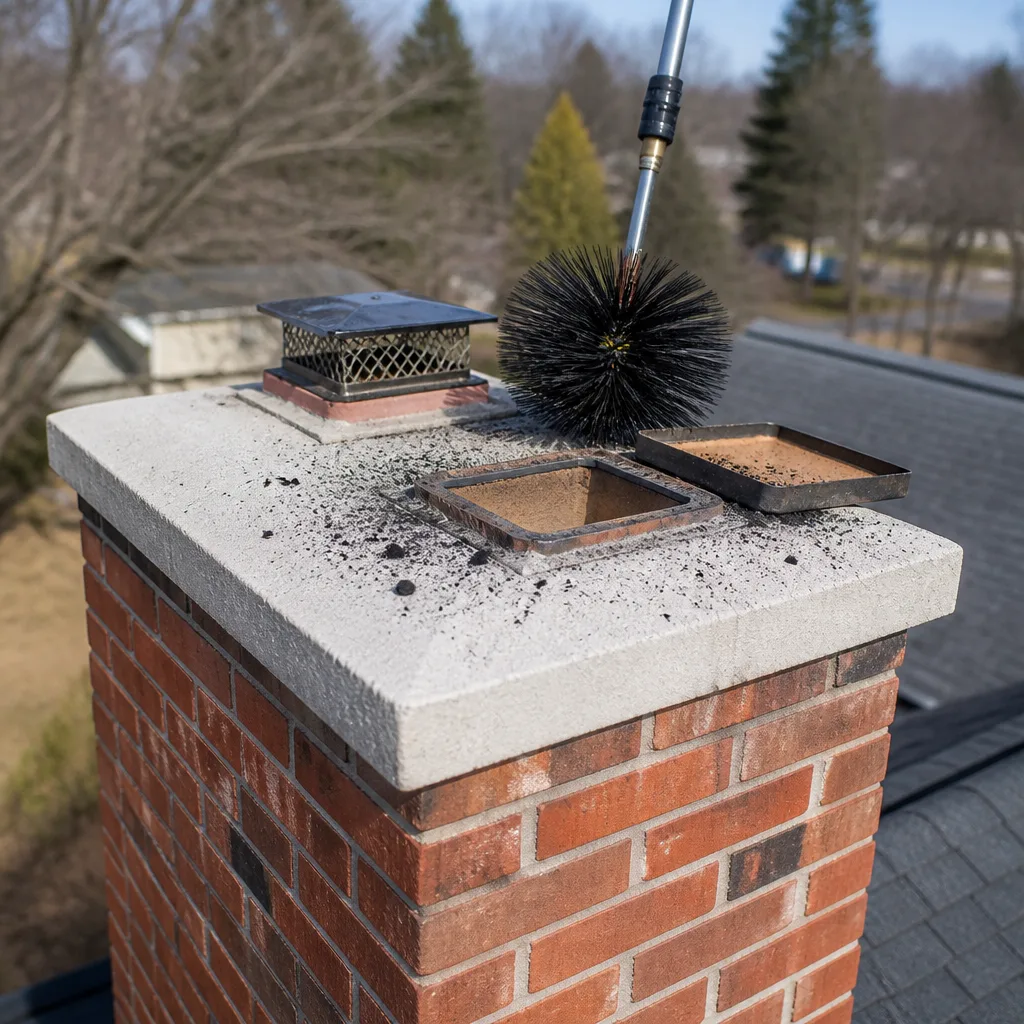
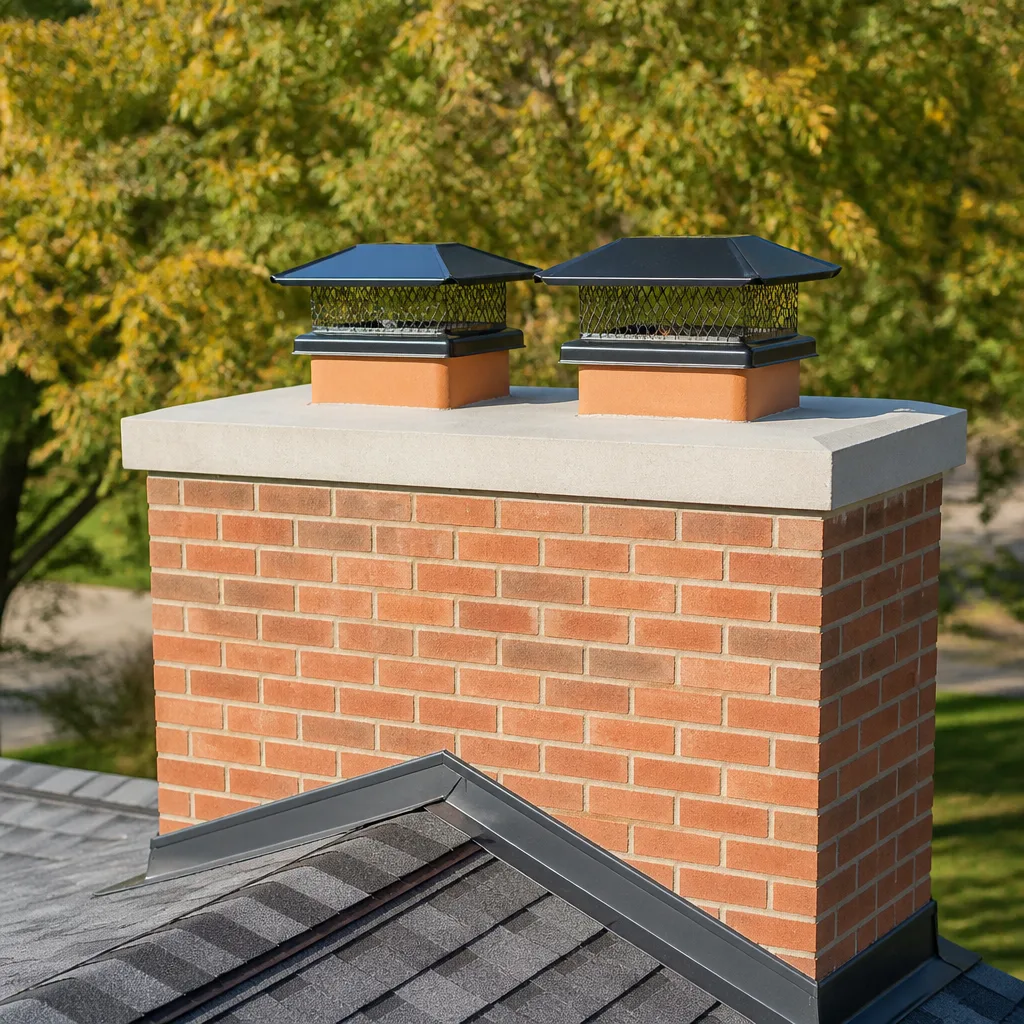
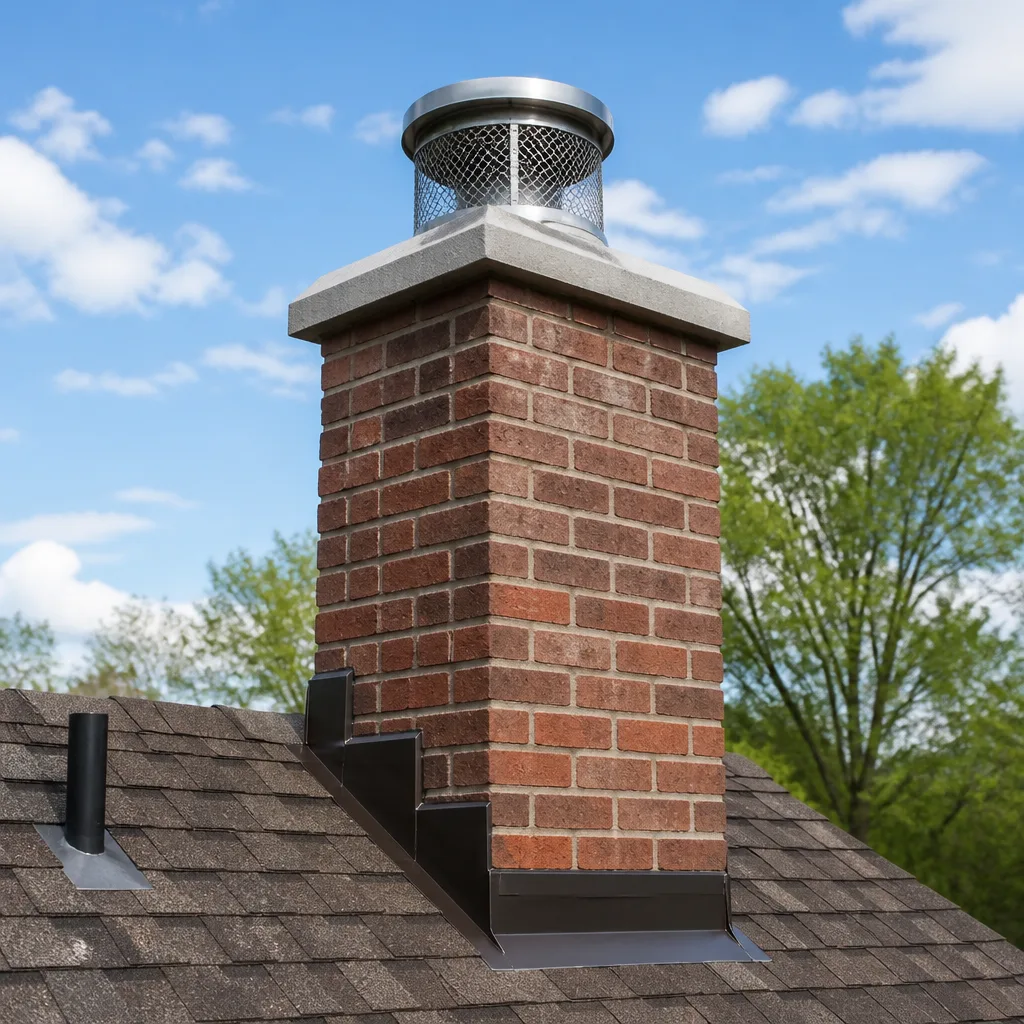
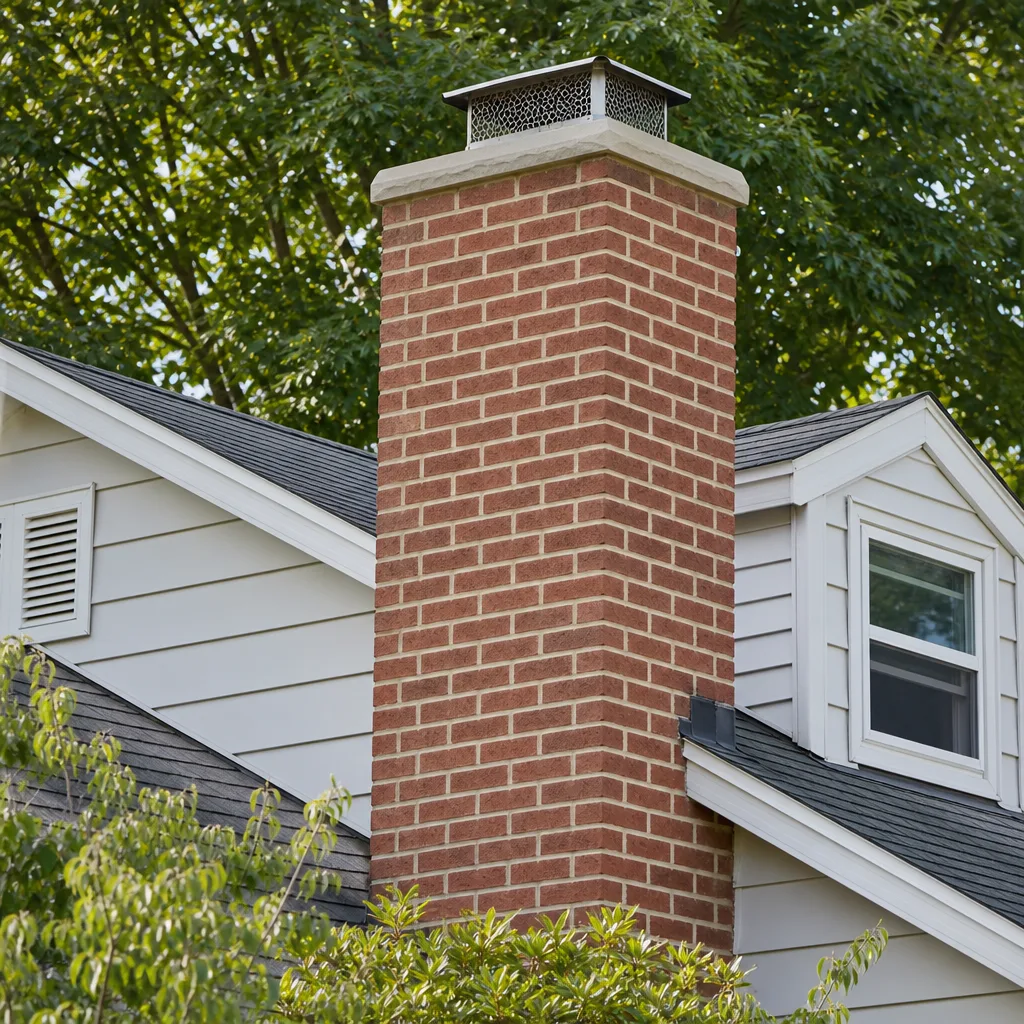
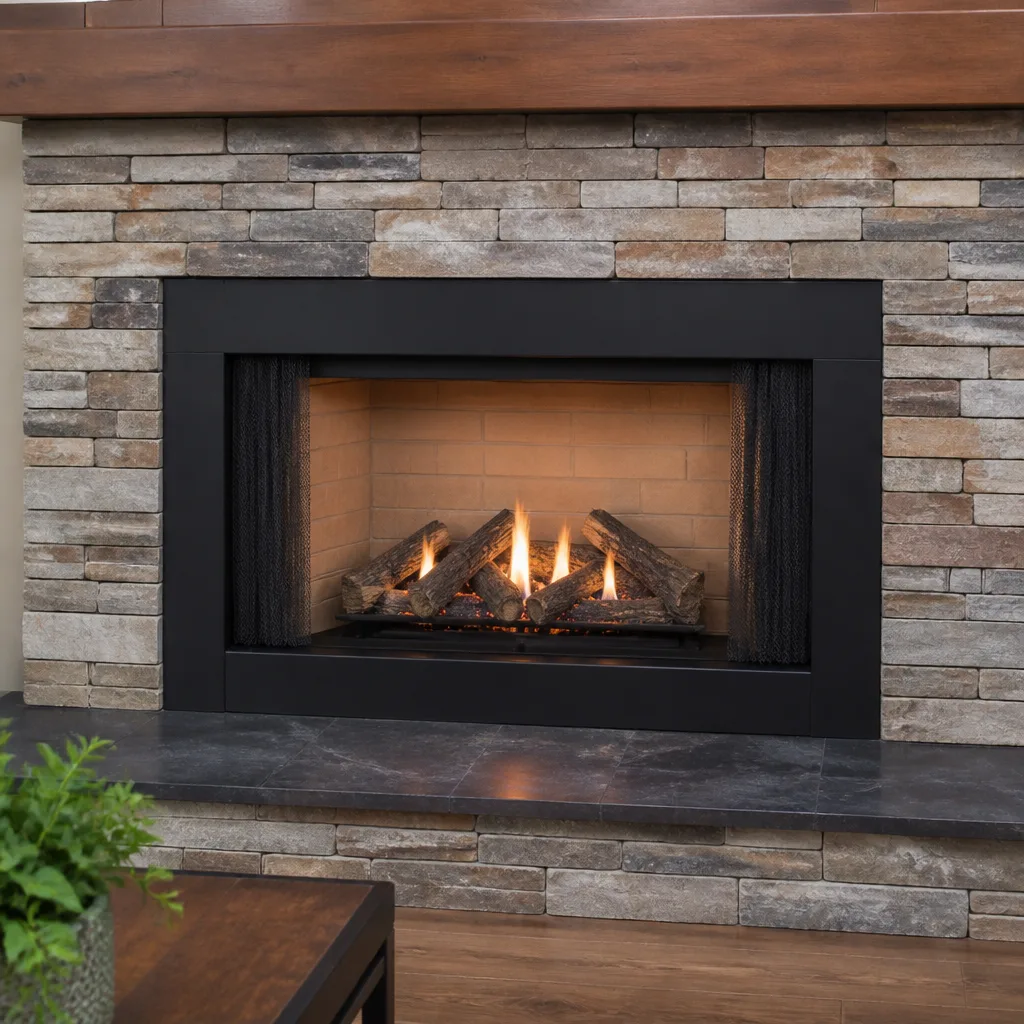
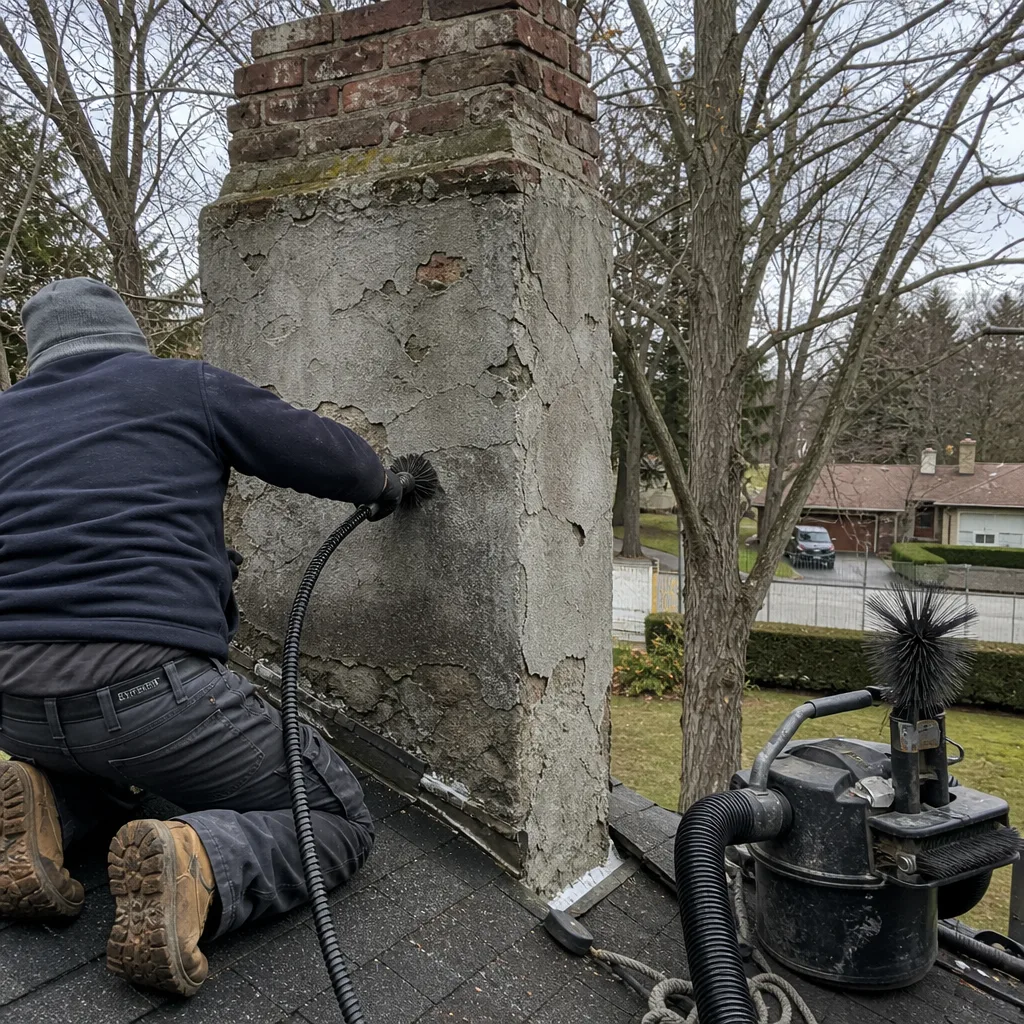 Before
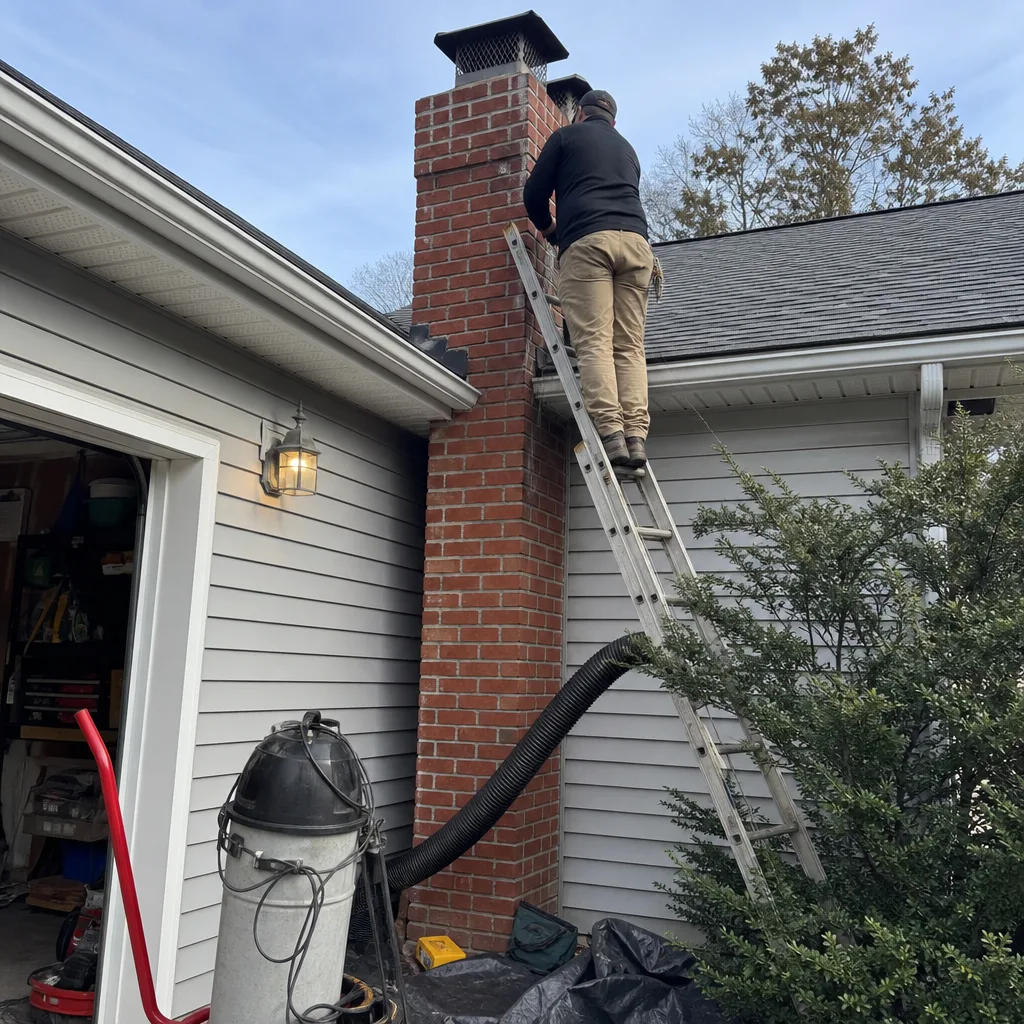 After
After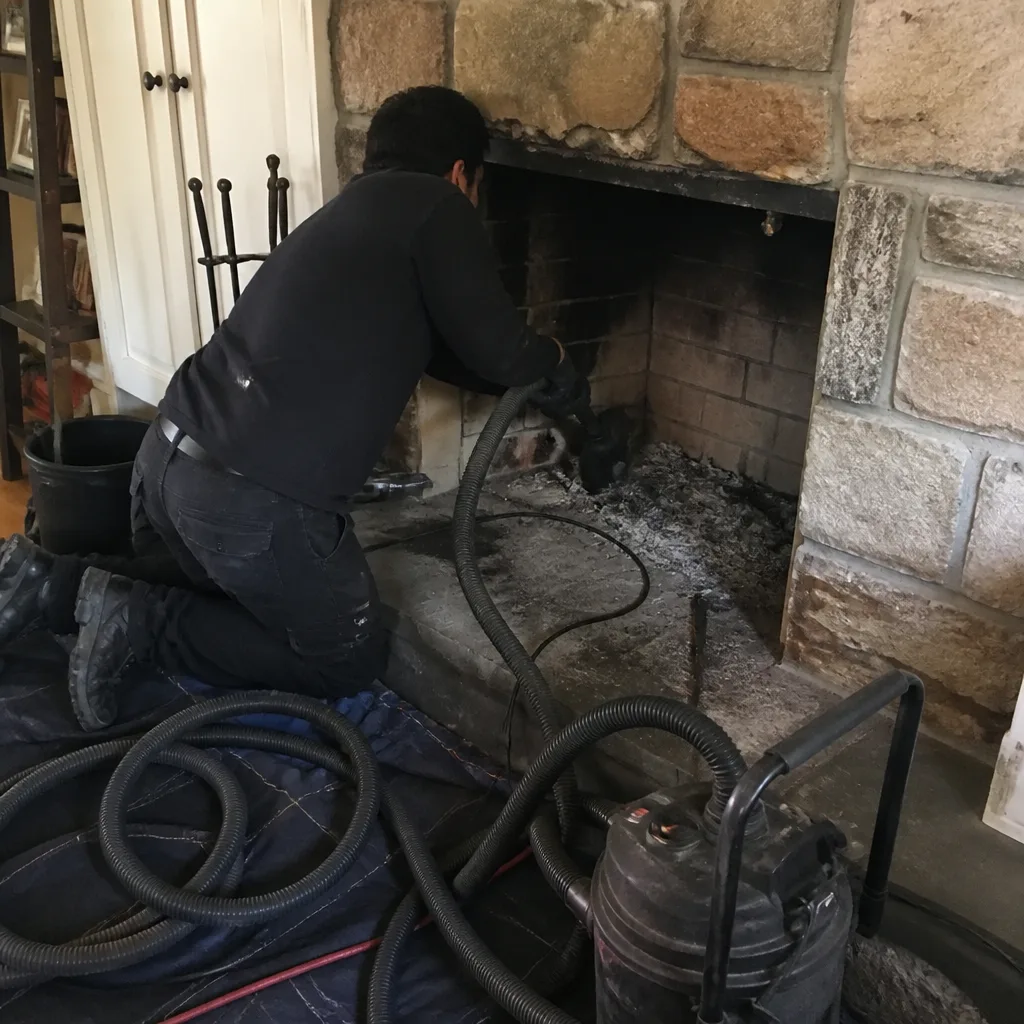 Before
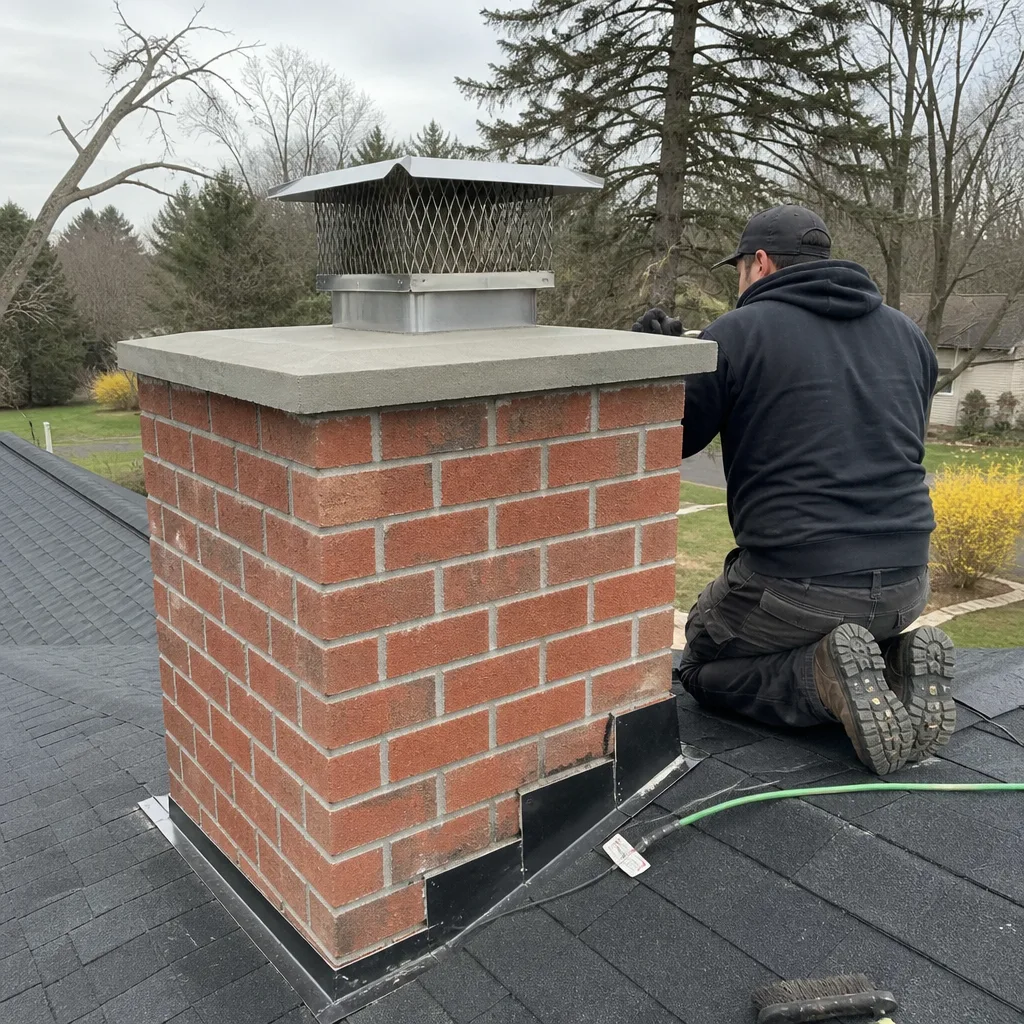 After
After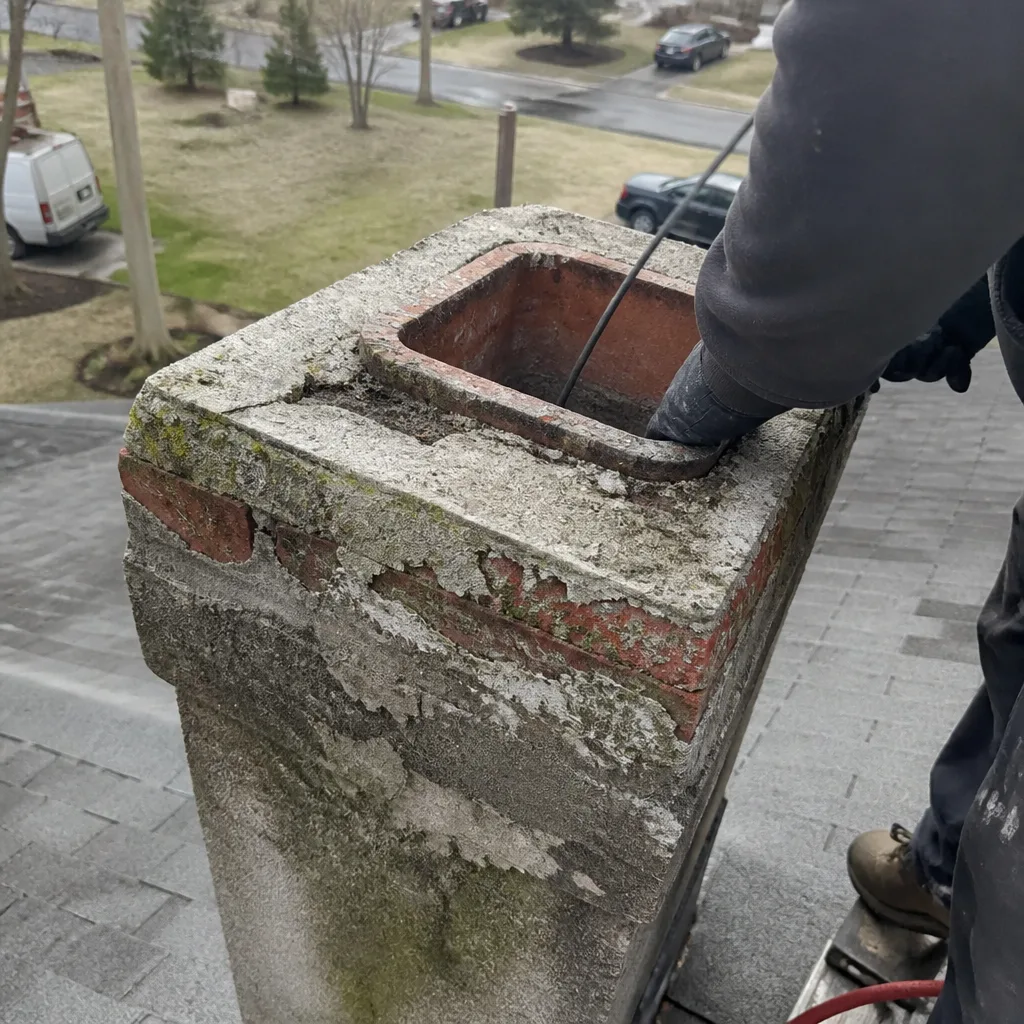 Before
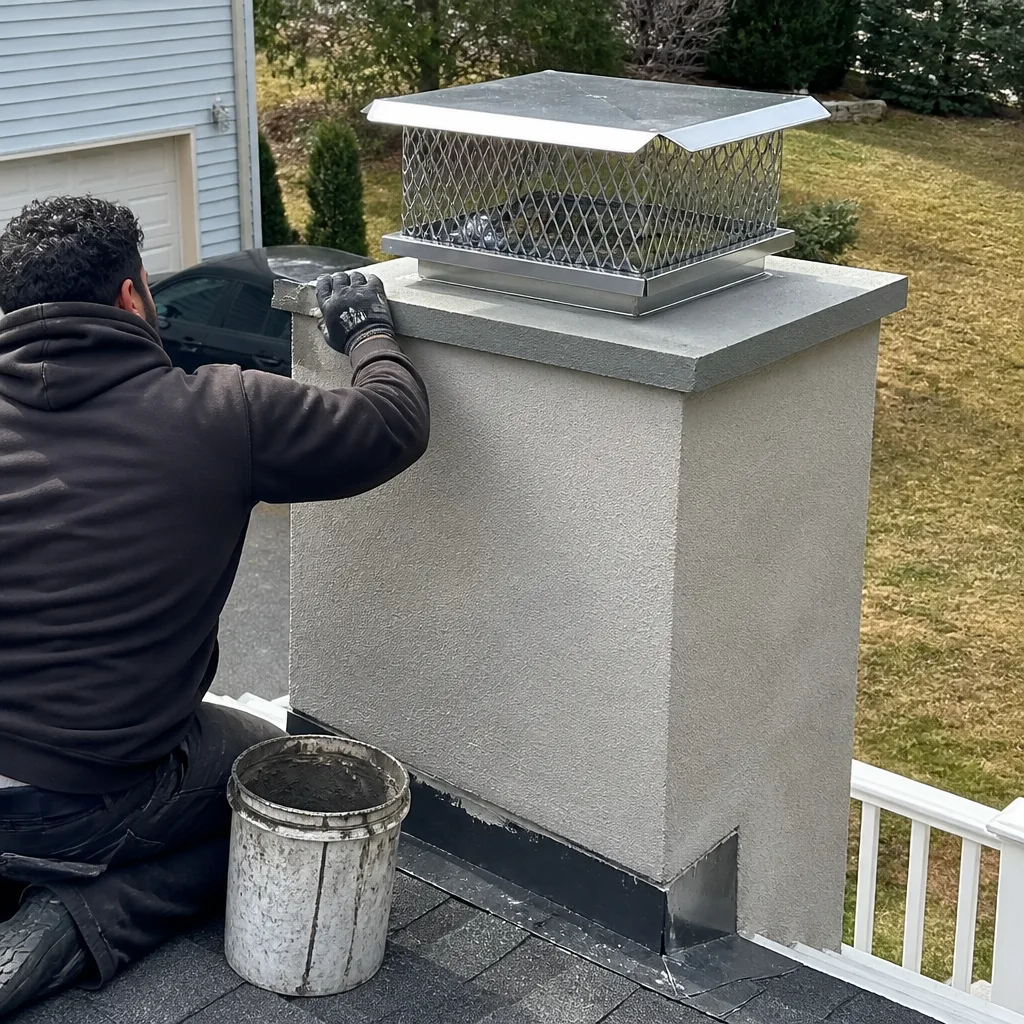 After
AfterChimney Cleaning Permits, Codes & Inspections in NY: What You Need to Know
Most homeowners in Dix Hills are surprised to learn that a liner replacement or firebox repair done without a permit can surface as an open violation during a home sale, sometimes a decade after the work was finished. It happens more than people realize, and it’s almost always discovered the same way: an inspector looks at the chimney, sees newer materials, and asks for the paper trail. The homeowner shrugs, the buyer’s attorney flags it, and a $2,800 job becomes an $8,000 problem. This guide walks through exactly where the permit line falls in New York, what NFPA 211 actually requires, and how to keep a chimney cleaning from becoming a legal headache. For a deeper dive, see The Complete Guide to Chimney Cleaning in Dix Hills. We’ve been cleaning and rebuilding chimneys across Dix Hills since 1999, and we’ve seen every variation of this story.
Quick Answer
Chimney cleaning itself does not require a permit anywhere in New York State. What does require a permit, under the New York State Building Code, is most structural repair work: liner replacement, firebox rebuilds, crown replacement with masonry changes, and any alteration to the flue. If a cleaning reveals damage, the repair that follows is where permits, inspections, and documentation actually matter.
Table of Contents
- When a Permit Is Actually Required in New York
- What NFPA 211 Requires and How Suffolk County Applies It
- When a Cleaning Turns Into a Repair Recommendation
- How to Verify a Contractor Pulls Permits
- When a Level 2 Inspection Is Legally Required
- The Paper Trail You Should Keep
- Common Mistakes to Avoid
- Frequently Asked Questions
When a Permit Is Actually Required in New York
Here’s the honest answer: sweeping a chimney needs no permit in New York. Not in Suffolk County, not in Nassau County, not anywhere in the state. A brush goes up the flue, creosote comes down, the job’s done. No one from the town building department needs to know you did it. And that’s part of why the confusion exists. The moment people hear “chimney work,” they assume a permit must be involved. Most of the time it isn’t.
But the line exists, and it matters. Under the New York State Building Code, which Suffolk County towns like Huntington, Babylon, and Islip adopt with local amendments, a building permit is required when work alters the structure, the firebox, the flue, or the load-bearing masonry. Here is where the line falls in practice:
- No permit needed: standard chimney sweeping, creosote removal, basic cap replacement (if it’s a mechanical fastening with no masonry work), minor mortar pointing on the exterior stack where less than a few square feet are involved, and camera inspections.
- Permit needed: stainless steel liner installation, cast-in-place liner rebuilds, firebox repair or rebuild, smoke chamber parging, crown replacement that involves pouring new concrete, any removal of brick or flue tile, and any change to the chimney’s height or footprint.
The reason is not bureaucratic busywork. A permit triggers an inspector who verifies the liner has proper clearance to combustibles, is rated for the appliance it serves, and won’t pour carbon monoxide into the house. In Dix Hills, where homes range from 1950s ranches with original clay liners to newer construction with factory-built flues, the age and condition spread means the exact same job can be a simple fix in one house and a code violation in the next.
We’ve stood in basements in Dix Hills where a previous owner installed a wood stove into a chimney that was never rated for solid fuel use. No permit, no inspection, and the homeowner only found out when we stuck a camera up the flue and showed them the gaps between flue tiles. Gaps like that let hot gases reach the framing. A permit would have caught it the day the stove went in. This is why the building department cares, and why you should too.
What NFPA 211 Requires and How Suffolk County Applies It
NFPA 211 is the national standard for chimneys, fireplaces, vents, and solid fuel-burning appliances. It is not New York law by itself, but the New York State Building Code references it directly. That means inspectors in Suffolk County effectively enforce NFPA 211 as if it were local code. The relevant language matters for any homeowner deciding whether to fix something or leave it.
NFPA 211 requires that chimneys be inspected at least once a year, that creosote buildup of 1/8 inch or more be removed before the chimney returns to service, and that the flue liner be continuous, intact, and sized to the appliance. It also sets specific clearance requirements: any combustible material must be kept at least 2 inches from the exterior of a masonry chimney, unless local code requires more. In New York’s climate, where freeze-thaw cycles work on mortar joints every winter and then spring rains drive water into the openings, liners crack faster than they do in drier states. The same standard reads differently in Dix Hills than it does in Arizona.
Here is what that means in plain English:
- If the liner is cracked, spalling, or has gaps between flue tiles, NFPA 211 says the chimney is in a condition that requires repair before further use. This isn’t a recommendation. It’s the standard.
- If creosote has reached the hard, shiny stage (third-degree, or glaze creosote), brushing alone does not satisfy the cleaning requirement. The glaze must be removed by mechanical means or chemical treatment, and in many cases, the flue needs a liner assessment.
- If a chimney serves a fireplace and an oil-fired furnace, the clearances and liner requirements apply to both appliances, and an inspector will check both connections.
In Dix Hills, we regularly see chimneys that were built in the 1960s and 1970s, before the modern code cycle tightened liner requirements around wood stoves. The original clay tile was never intended for the sustained heat of a modern high-efficiency insert. NFPA 211 says the liner must be listed for the intended use. When it isn’t, the fix is a liner, and the liner is permit-triggering work.
When a Cleaning Turns Into a Repair Recommendation
This is the moment where homeowners get suspicious, and for good reason. You call for a $189 sweep. The sweep disappears up the ladder, comes back down, and suddenly there’s talk of a liner replacement. It smells like an upsell. Sometimes it is one. But here is how you tell the difference.
A legitimate repair recommendation after a cleaning always comes with evidence. Not a phone call and a vague warning. Not a “trust me, I’ve been doing this for 30 years.” Evidence: camera footage of the flue showing exactly where the crack is, what the gap measures, and why it matters. A sweep who cannot or will not show you the camera footage is either unqualified or selling something you do not need. That is the test, every time.
In our experience cleaning chimneys in Dix Hills, the line between “needs a brush” and “needs a liner” usually falls into three categories. For a practical breakdown of what to check, see our Chimney Cleaning & Sweep Maintenance Checklist for Dix Hills Homeowners.
- First-degree creosote (dust-like, brushable). A standard sweeping handles it. No repair needed. Note it in the records and burn properly seasoned wood next year.
- Second-degree creosote (crusty, flaky, thicker than 1/8 inch). Requires more aggressive removal, possibly rotary cleaning tools. We tell you it took longer and shows signs of a chimney that’s been burning wet or unseasoned wood. Not a repair issue yet.
- Third-degree creosote (hard, shiny, tar-like glaze) OR visible liner damage (cracks, gaps, missing tiles). Now you’re in repair territory. The glaze itself is not a liner repair, but it often hides or coincides with liner damage because both come from the same conditions: smoldering fires, unseasoned wood, and years of half-hearted maintenance.
Here’s the thing: our flue doesn’t care how the fire looks. It cares how it breathes. A chimney in Dix Hills that never gets cleaned because the homeowner “doesn’t burn much” is often worse off than one that gets used every week from November to March. Infrequent cold fires create more creosote than steady hot ones. Once a year, burn or no burn. Chimneys break in the off-season too.
Documentation to keep after a cleaning where no repair was recommended: the sweep receipt, the date, and ideally the camera footage if any was captured. If a repair was recommended, keep the written estimate, the photos, and the sweep’s license number. If you later decide to file an insurance claim or sell the house, that paper trail is what separates a handled issue from one the next owner’s inspector gets to discover on a Tuesday afternoon.
How to Verify a Contractor Pulls Permits
Here is the uncomfortable part of this conversation: some contractors do not pull permits because permits add time, money, and an inspector who will notice if the work is done wrong. A contractor who quotes a liner job at $400 cheaper than the next guy may not be doing you a favor. He may be skipping the permit fee, skipping the inspection, and leaving you to explain the missing paperwork when you sell the house.
In New York, a homeowner can pull a permit for their own house. So can a licensed contractor. The difference is who is named on the permit and who the building department holds responsible if the work fails. When a contractor tells you “you don’t need a permit for this” for something that is clearly structural work, pause. Ask for that in writing. If he won’t put it in writing, there is your answer.
An honest contractor has no reason to avoid the question. Ask it directly: “Will you be pulling a permit for this work?” The answer should be a simple yes or no, followed by an explanation. Here is how a legitimate answer sounds: “Yes, we’ll pull the permit through the Town of Huntington. It’s included in the estimate, the inspector will come after the rough-in, and you’ll get a copy of the final sign-off.” Here is how a red flag sounds: “You don’t really need one for this. It’s fine. We do it all the time.”
The cost of the permit is not the real cost. Town permit fees for a liner replacement in Suffolk County typically run in the low hundreds, depending on the scope. The real cost of the unpermitted work comes later: a home inspector flags it during a sale, the buyer’s attorney demands the violation be cured, the town opens a file, and now you’re paying to have work redone that was already paid for once. We’ve seen this exact sequence in Dix Hills more than once, and it is always slower and more expensive than pulling the permit would have been the first time.
When a Level 2 Inspection Is Legally Required
Chimney inspections in New York are classified at three levels, and the levels are defined by NFPA 211. Here is what each one means and when it is required.
- Level 1 inspection: A visual check of the readily accessible parts of the chimney - the firebox, the dampers, the visible flue, the exterior stack. This is what happens during an annual sweep. Required any time the chimney is being used under normal conditions and no changes have been made to the system.
- Level 2 inspection: A Level 1 inspection plus access to the attic, crawlspace, and roof, plus camera examination of the flue interior. This is required whenever a property changes hands, whenever changes are made to the heating system or the chimney itself, and after a chimney fire or a seismic event. Yes, legally required. Not recommended, not “good practice.” The code says when a home is sold, a Level 2 inspection must be performed if the buyer’s inspector flags the chimney or if any work is being done to the firebox or flue. Many New York real estate transactions include a Level 2 inspection because the attorneys on both sides know it is cheaper than discovering a cracked liner after closing.
- Level 3 inspection: A Level 2 inspection plus selective demolition - removing sections of the chimney or building components to access concealed areas. This is required when a Level 2 inspection raises concerns that a hidden hazard exists and cannot be confirmed without exposing it.
What surprises most Dix Hills homeowners is that the Level 2 requirement is not something a sweeping company invented to add a line item. It is in the standard. When a home is sold in Suffolk County, and the chimney shows even moderate creosote or marginal masonry, the buyer’s home inspector will often recommend a Level 2 inspection. The seller is then in a negotiating position they did not plan for. A $300 camera inspection before listing removes that leverage.
We’ve also performed many Level 2 inspections that found nothing wrong. A clean camera pass on a 1980s masonry chimney in Dix Hills is a powerful selling point. The footage gets handed to the buyer, the file closes, and the negotiation is over. The camera footage and a plain-English verdict, every time, no exceptions.
The Paper Trail You Should Keep
Most homeowners cannot find the receipt from last year’s cleaning, let alone the camera footage from a liner replacement in 2016. But in New York, the paperwork is the only thing that separates an anonymous chimney from a documented asset. When you sell, refinance, or file an insurance claim, the paper trail is the story the chimney tells.
- Every cleaning receipt, forever. A chimney that was swept annually for 15 years tells an underwriter a different story than one with no history at all. If a fire claim ever lands, a maintenance history is your defense against a denial based on neglect.
- Camera inspection footage and photos. If you had a Level 2 inspection or any camera work done, keep the files. They are evidence of condition at a point in time. When a buyer’s inspector later says “the liner looks old,” your footage from three years ago showing the liner intact is a counter-argument.
- Permit applications and final inspection sign-offs. If you replaced a liner, rebuilt a firebox, or installed a wood stove, keep the permit number, the inspection date, and the final approval. These are the documents a title company asks for and a building department can retrieve if they exist. If they do not exist, you cannot retrieve them.
- The contractor’s license number and business name. A company that is gone in five years leaves you with no one to call back. A local company with a published address and a license number that has been in business for decades is traceable. That matters when a warranty claim or a code issue comes up.
In Dix Hills, where homes regularly turn over to second and third owners, the chimney paper trail is one of the few things that travels with the house regardless of whether anyone remembered to mention it. It is worth building the folder now, even if the next sale is 20 years away. Ask anyone on your street.
Common Mistakes to Avoid
Over the years, we have been called to Dix Hills homes for the same preventable situations, usually on a deadline because a closing was falling apart or the first fire of the season lit up a problem. These are the mistakes we see most.
- Assuming the cleaning company is also a licensed repair contractor. Sweeping companies do not all hold the license required for structural repair work. Ask directly whether the company is licensed for the type of repair being recommended. A cleaning company that sub-contracts repair to an unlicensed third party leaves you with no one accountable for the repair.
- Paying for a liner replacement without a permit because the contractor said it was fine. If a contractor tells you a liner replacement does not need a permit, run that by the town building department yourself. The phone call takes five minutes. The unpermitted liner costs years of trouble.
- Skipping the annual sweep because the fireplace “wasn’t used enough” to bother. In a Long Island climate, off-season moisture does more damage than winter use. A chimney in Dix Hills that sits idle from April to November is collecting condensation, not resting. Sweep it once a year regardless.
- Letting someone install a wood stove into an existing masonry chimney without checking whether the flue is rated for solid fuel. This is a level of illegal we encounter too often. The previous owner does it, the new owner discovers it during a cleaning, and now the new owner owns the problem.
- Not asking for camera evidence before approving a repair. Any legitimate repair recommendation on a chimney flue should be accompanied by footage you can see with your own eyes. If there is no footage, there is no reason to approve the repair.
- Filing an insurance claim without the chimney maintenance records. If a chimney fire causes damage and the insurance company asks for service history, a homeowner with no records is arguing from a position of weakness. Annual receipts are cheap insurance.
- Confusing a handyman with a chimney professional. Building a firebox or installing a liner is not general construction. NFPA 211 is the standard specifically because chimney work is its own trade. A handyman who is “handy with masonry” is not automatically qualified to rebuild a firebox in Dix Hills or anywhere else.
Frequently Asked Questions
No. Standard chimney cleaning and sweeping do not require a permit anywhere in New York State. A brush, a vacuum, and a visual check are maintenance work, not construction. The permit question only arises when a cleaning reveals damage that requires structural repair, such as a liner replacement or firebox rebuild.
A standard chimney sweep in Dix Hills typically runs between $175 and $320 depending on the condition of the flue, the height of the roof, and whether creosote has reached the glazed stage. Additional work like a camera inspection adds to the total. Call Top Hat Chimney at (631) 318-8656 for a flat-price estimate before any work begins.
NFPA 211 requires an annual inspection, and the practical answer in this climate is once a year, burned or not. Chimneys break in the off-season, and an unused flue in humid Long Island weather still collects moisture and debris. A yearly sweep costs less than the damage a neglected flue creates.
The sale can stall or collapse when the buyer’s inspection uncovers work that was done without a permit. The town can treat it as an open violation, the buyer’s attorney can demand the violation be cured before closing, and you are left paying for the repair twice: once for the original work and once to make it legal. We’ve watched this play out in Dix Hills homes, and it is never faster or cheaper than pulling the permit the first time.
Not necessarily, but it nearly always means a Level 2 inspection with a camera is required before the chimney is used again. A chimney fire can crack clay flue tiles, separate the liner, or damage the masonry in ways invisible from the outside. The inspection determines whether the liner can be saved or must be replaced. No one should light another fire in that chimney until the camera has been run.
Because a permit costs money, takes time, and brings an inspector who will notice if the work is substandard. A cheaper quote that skips the permit is cheaper for a reason: the contractor is eliminating the expense and the accountability. The homeowner who saves $150 on a liner installation can spend thousands later making the paperwork right at closing. In this trade, the price you want and the price that protects you are sometimes different numbers.
When to Call a Professional
Call a professional if you have not had a sweep in over a year, if you smell campfire or smoke inside the house when the stove is not lit, if you see flakes of creosote collecting on the floor of the firebox, if your last cleaning revealed any level of liner concern, or if you are buying or selling a home with a masonry chimney. Do not try to perform a structural repair yourself. High-temperature silicone, steel liners, and firebox mortar are all materials that require technical knowledge to install correctly, and a failed fix inside a flue is worse than doing nothing. Top Hat Chimney offers free estimates in Dix Hills and surrounding areas. Call (631) 318-8656 and a live person answers, around the clock. Wendell and his crew use camera inspection on every job, and the 90-Day Done Right Promise means if the work isn’t right, one call brings us back. No trip charge inside the county, and 10% off always for seniors and veterans. Brands we work with include DuraFlex, HeatShield, and Copperfield.
The Bottom Line
Chimney cleaning in New York requires no permit, no inspection, and no government paperwork. The repairs that often follow a thorough cleaning are another story entirely. A liner replacement, firebox rebuild, or wood stove installation is structural work under the New York State Building Code, and it requires a permit, an inspection, and a paper trail. The contractor who tells you otherwise is either unlicensed, uninformed, or protecting his own margin at your expense. In Dix Hills, the homes are old enough and diverse enough that no two chimneys are identical, which is exactly why a real inspection with a camera, a real permit pulled by a real company, and a real guarantee on the work are the only way to keep a chimney safe, saleable, and insurable. When in doubt, call a local company with a name on the door, a license number you can verify, and a promise in writing to come back if the work isn’t right. You can also explore more guides & resources on keeping your chimney safe and compliant. work isn’t right.
Written by Wendell Pike, Owner at Top Hat Chimney, serving Dix Hills since 1999.