
Last updated September 10, 2026
Level 1 sweep and inspection to the NFPA 211 annual standard - flue, crown, cap, and flashing checked and photographed
Chimney sweep logs do not sweep chimneys. They loosen some creosote - which then falls where a brush and vacuum still have to collect it.
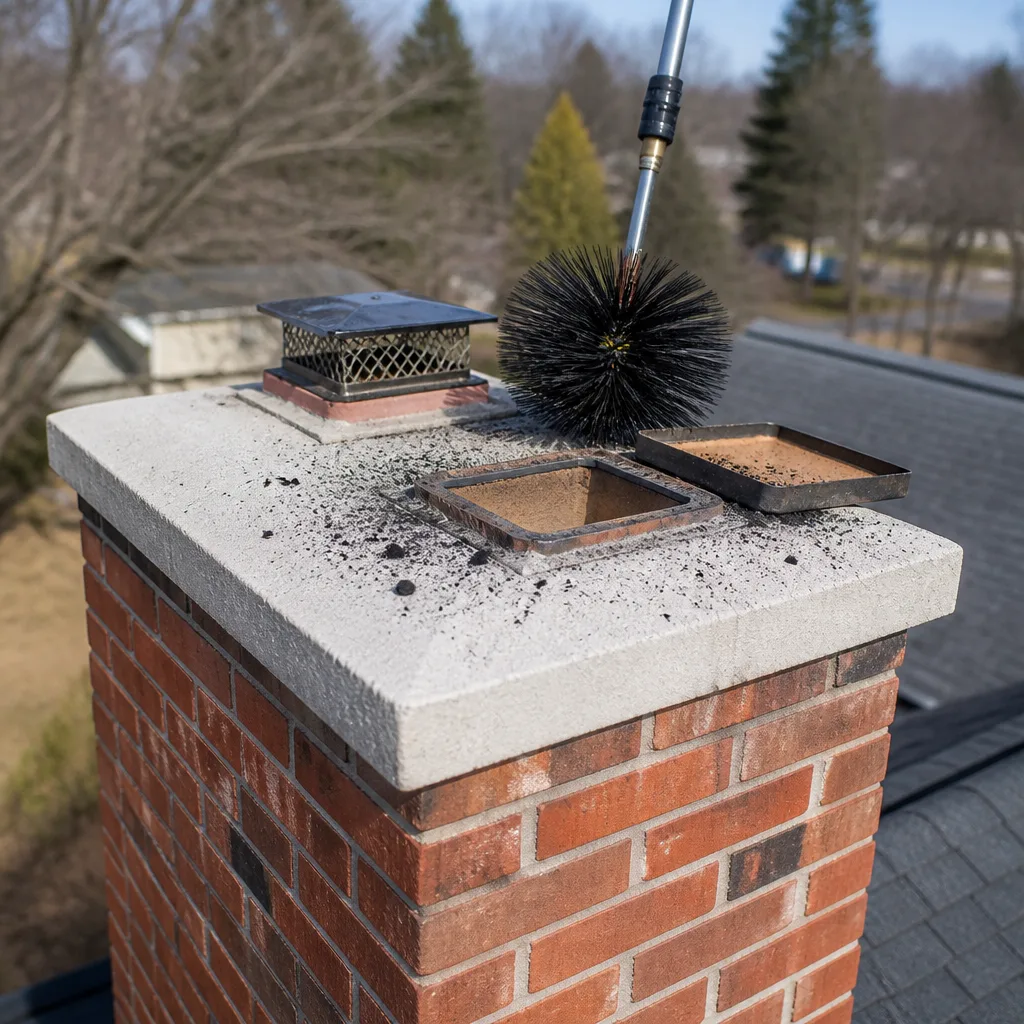
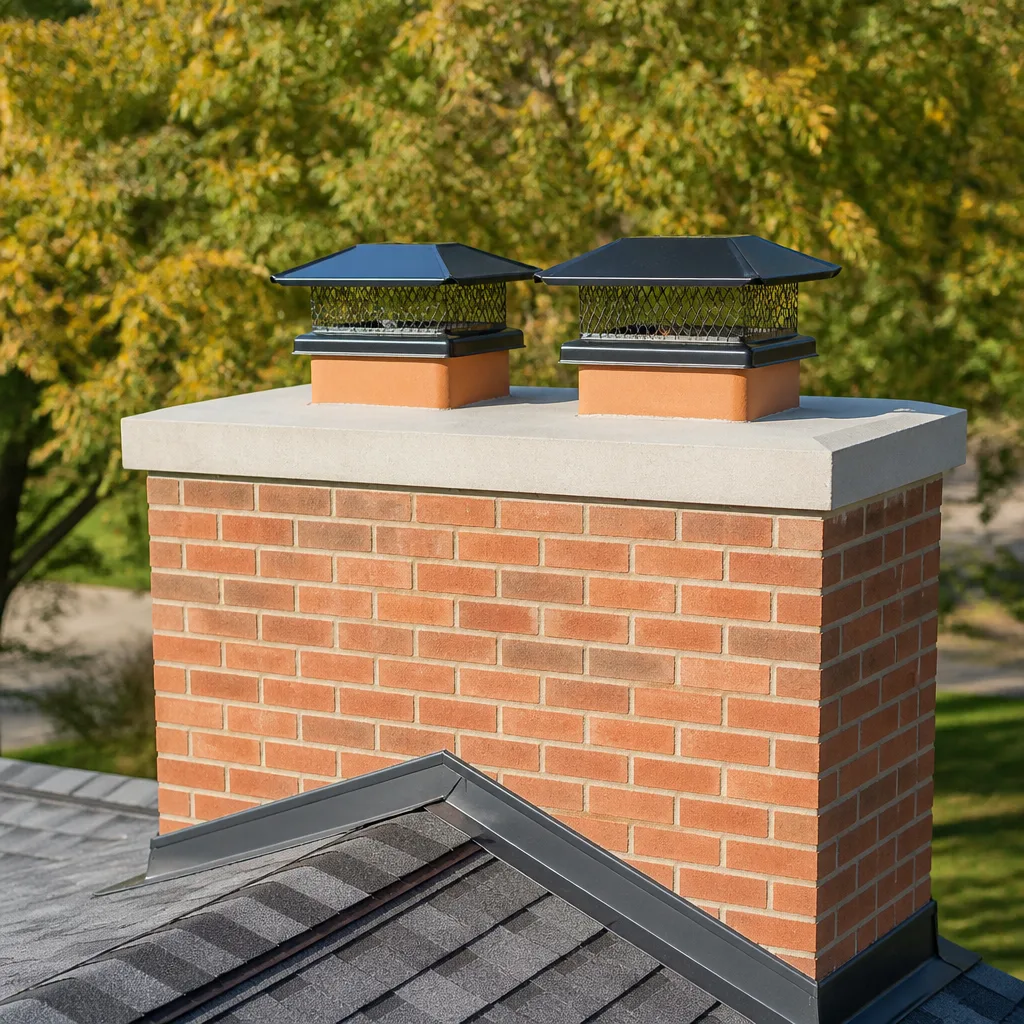
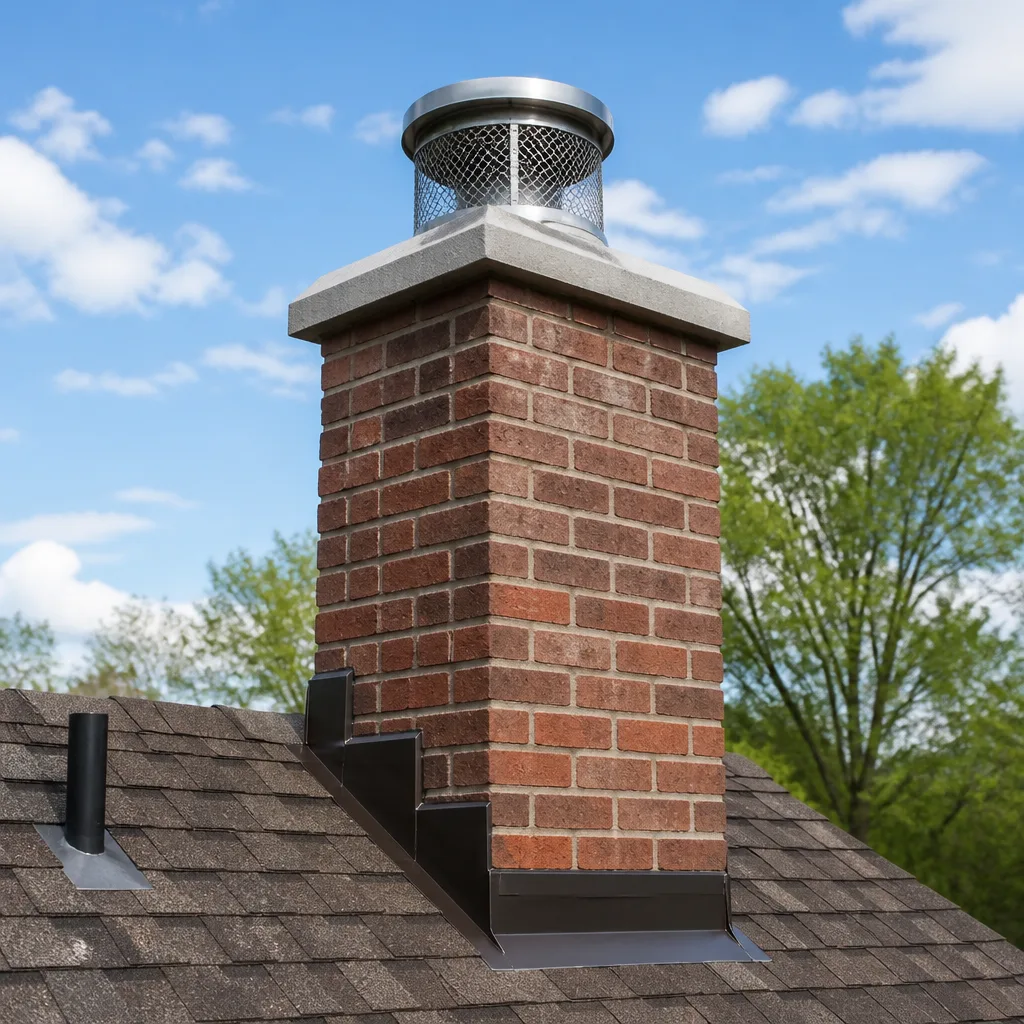
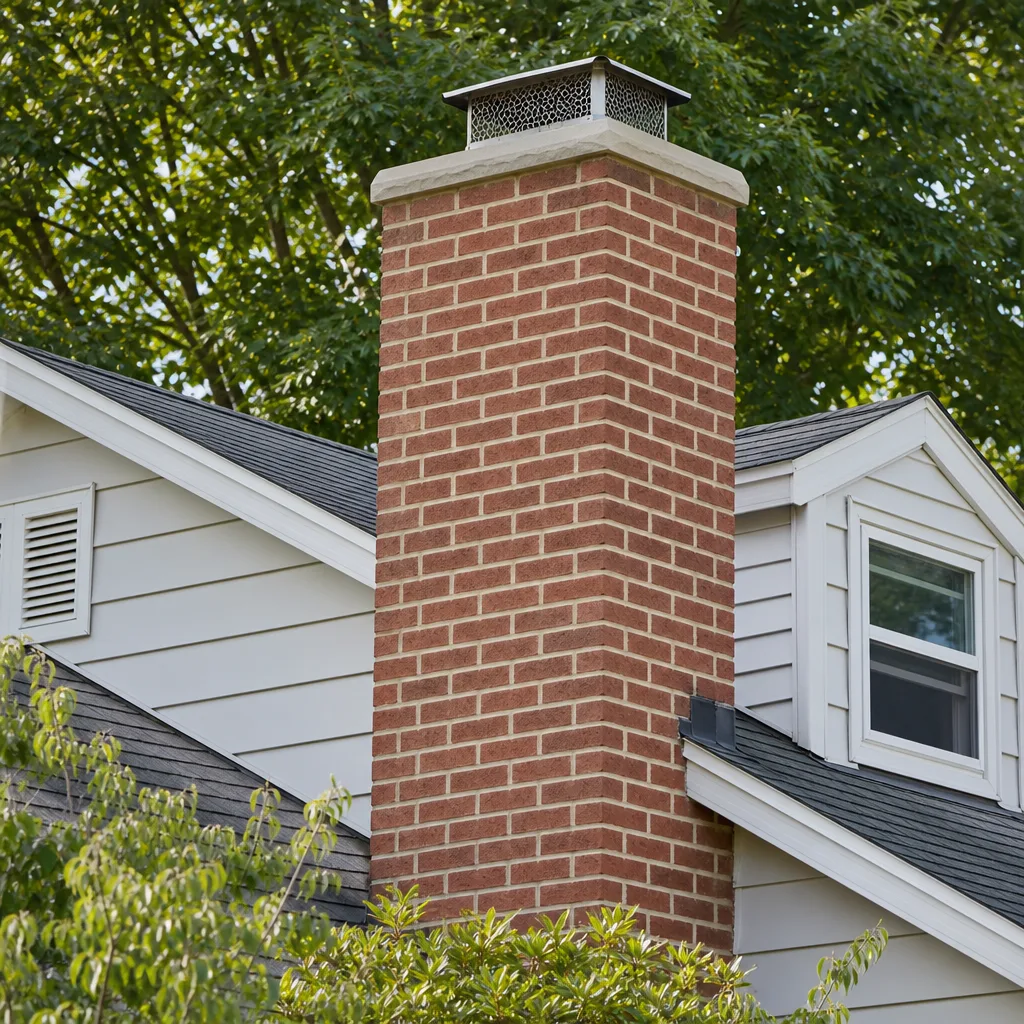
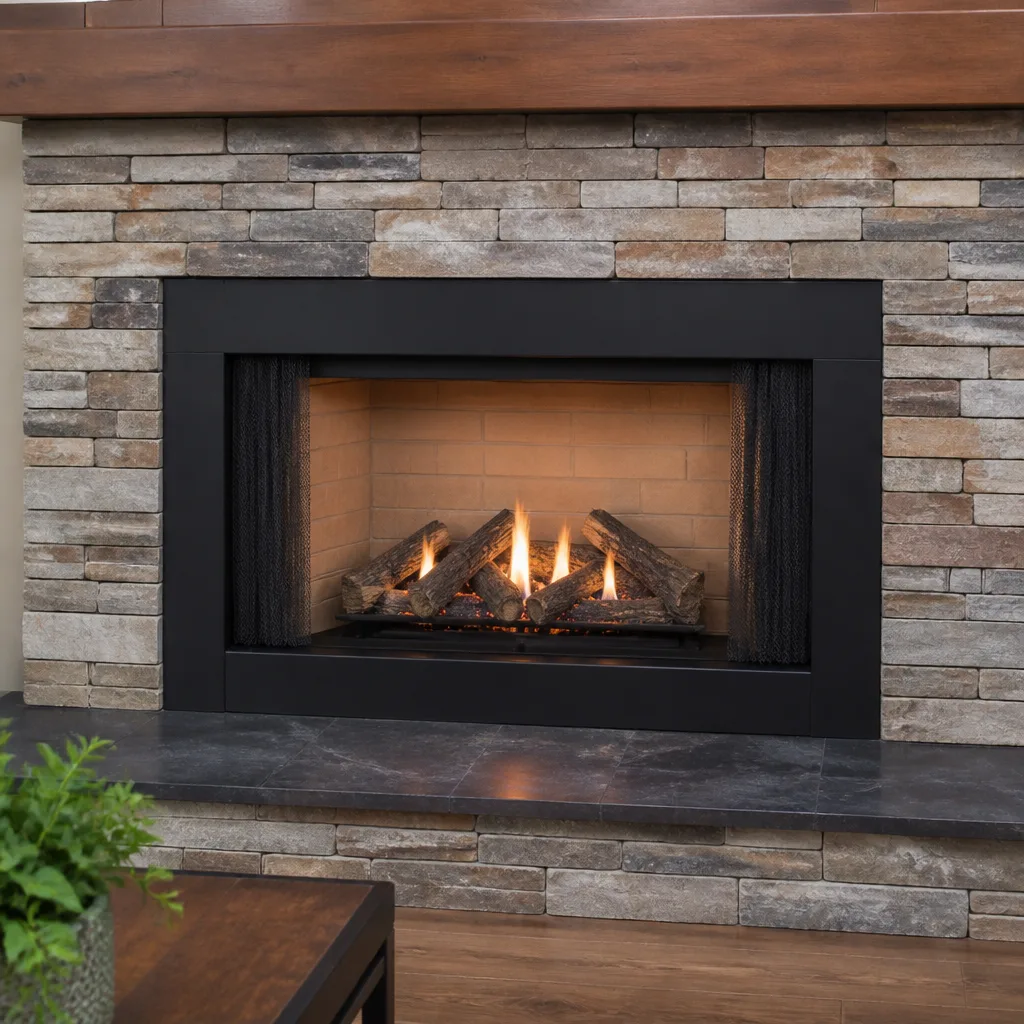
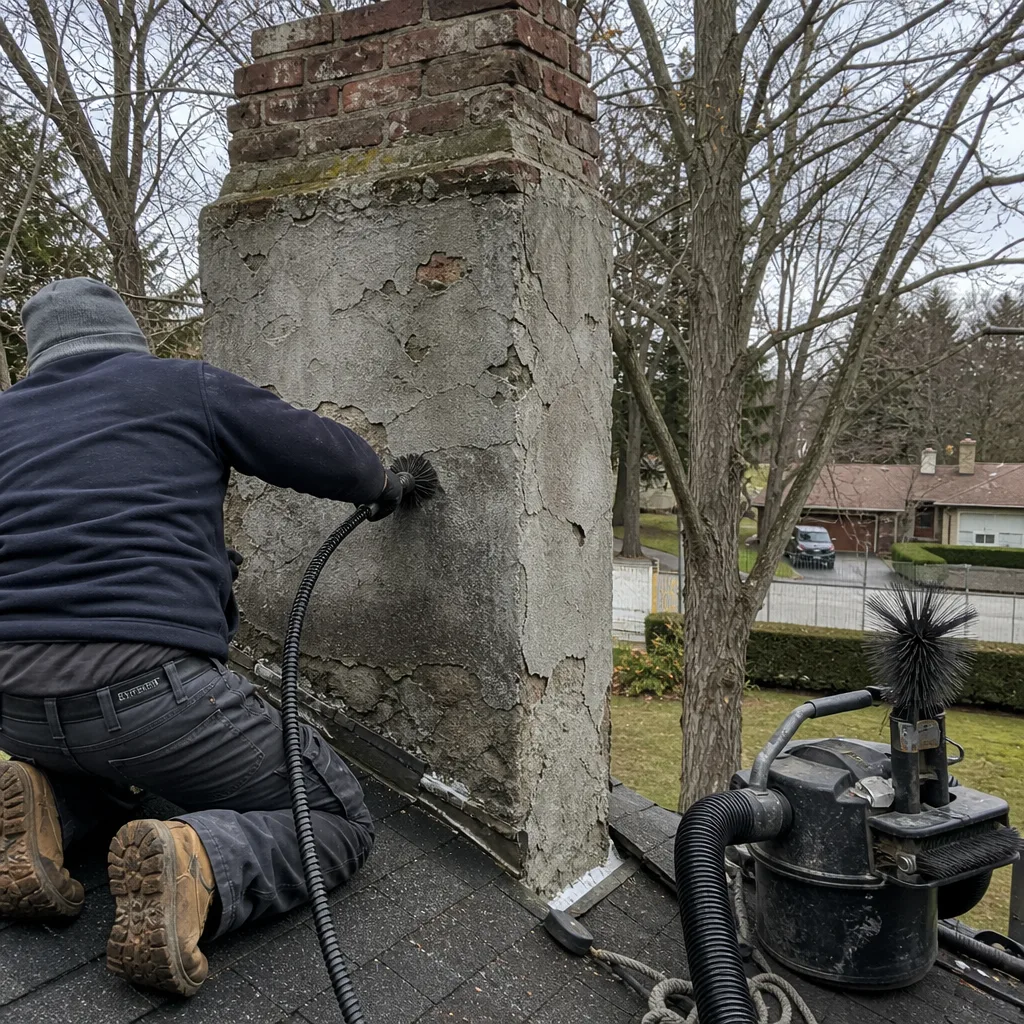 Before
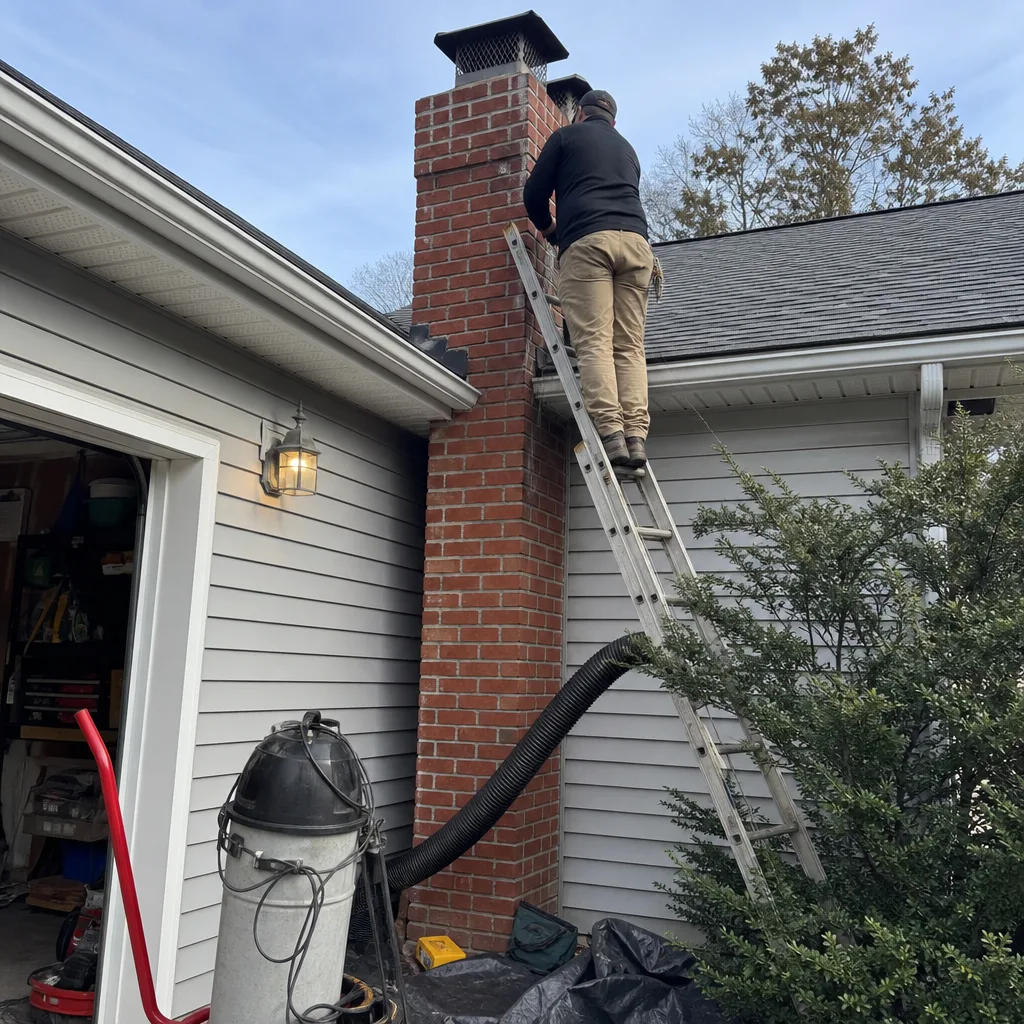 After
After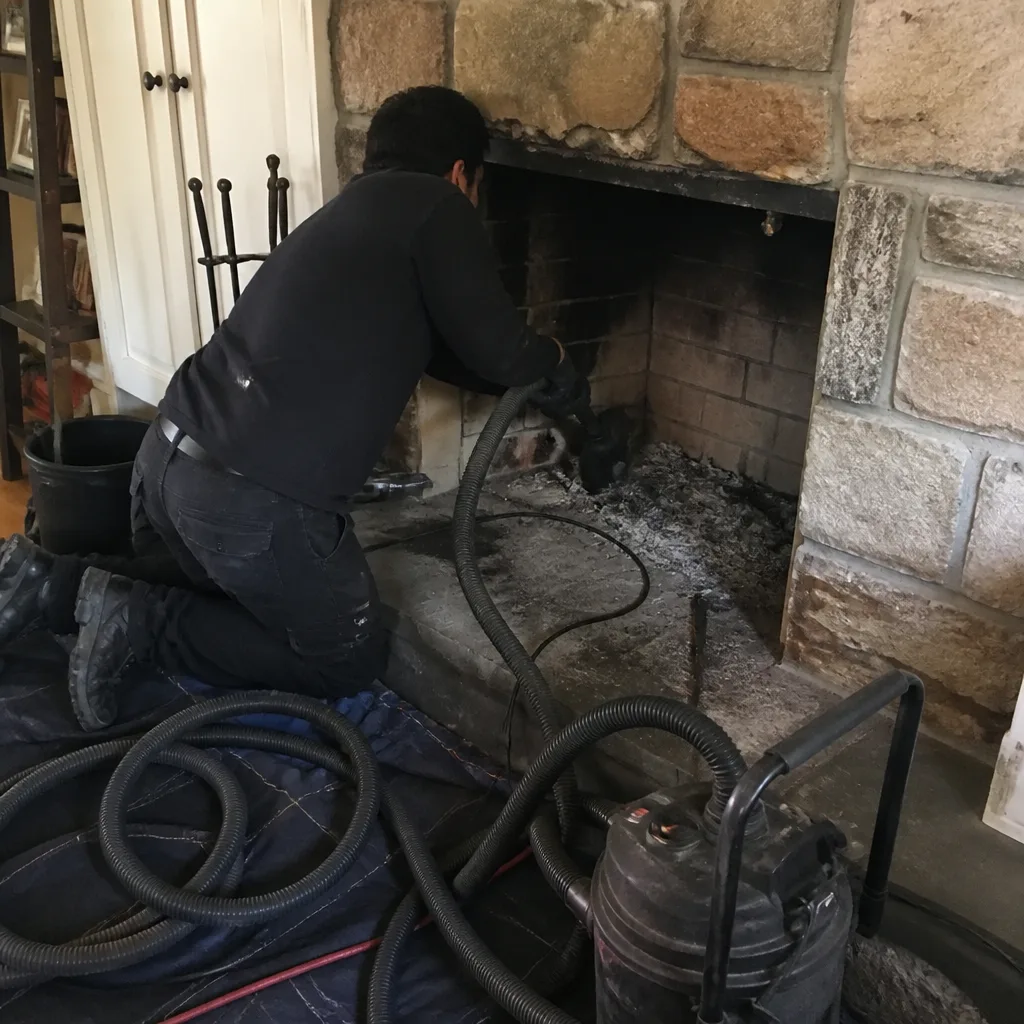 Before
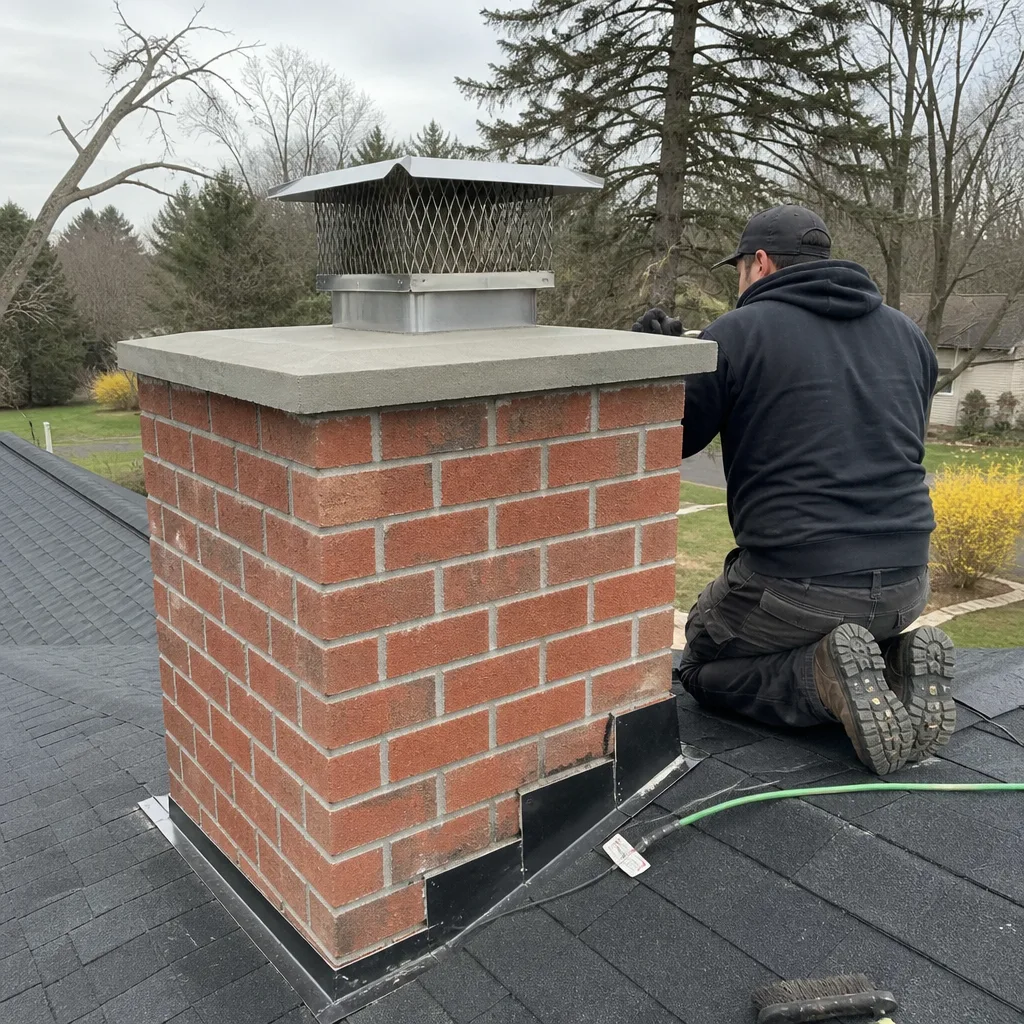 After
After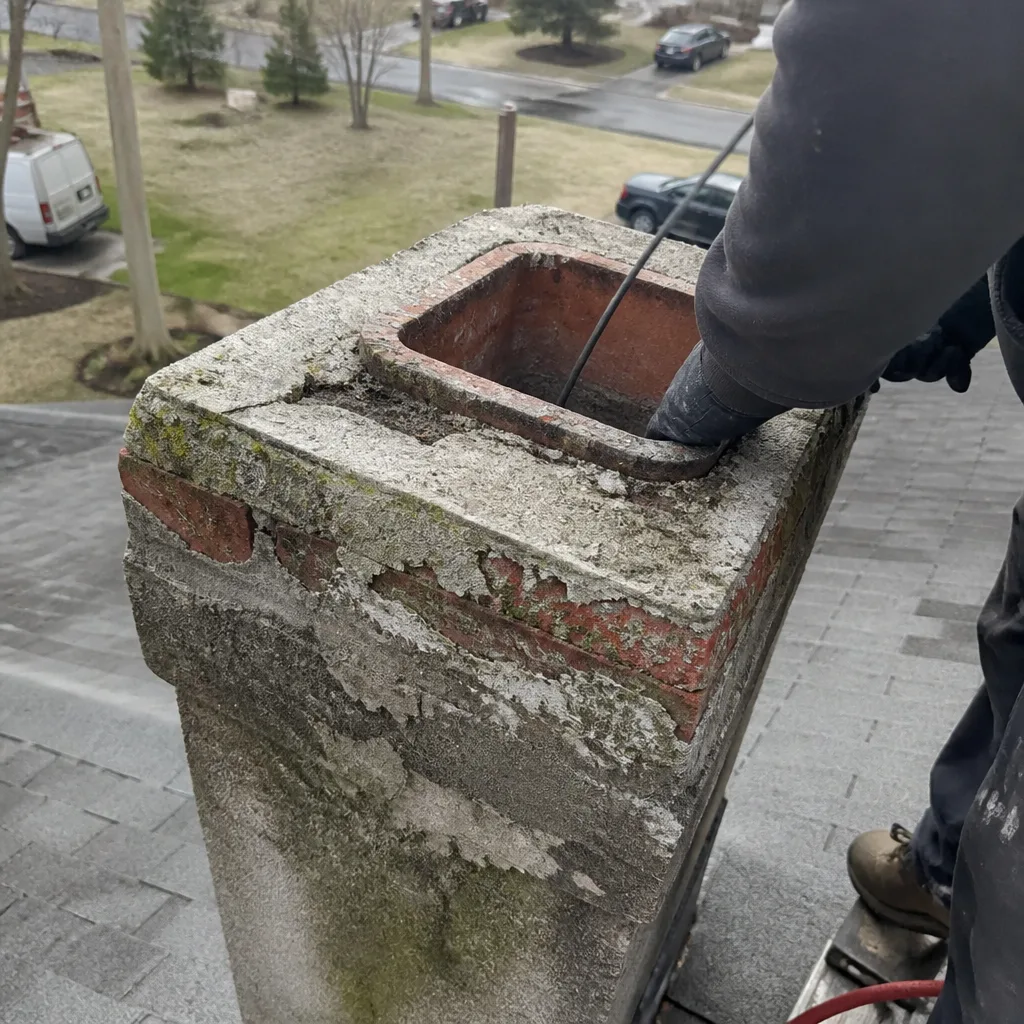 Before
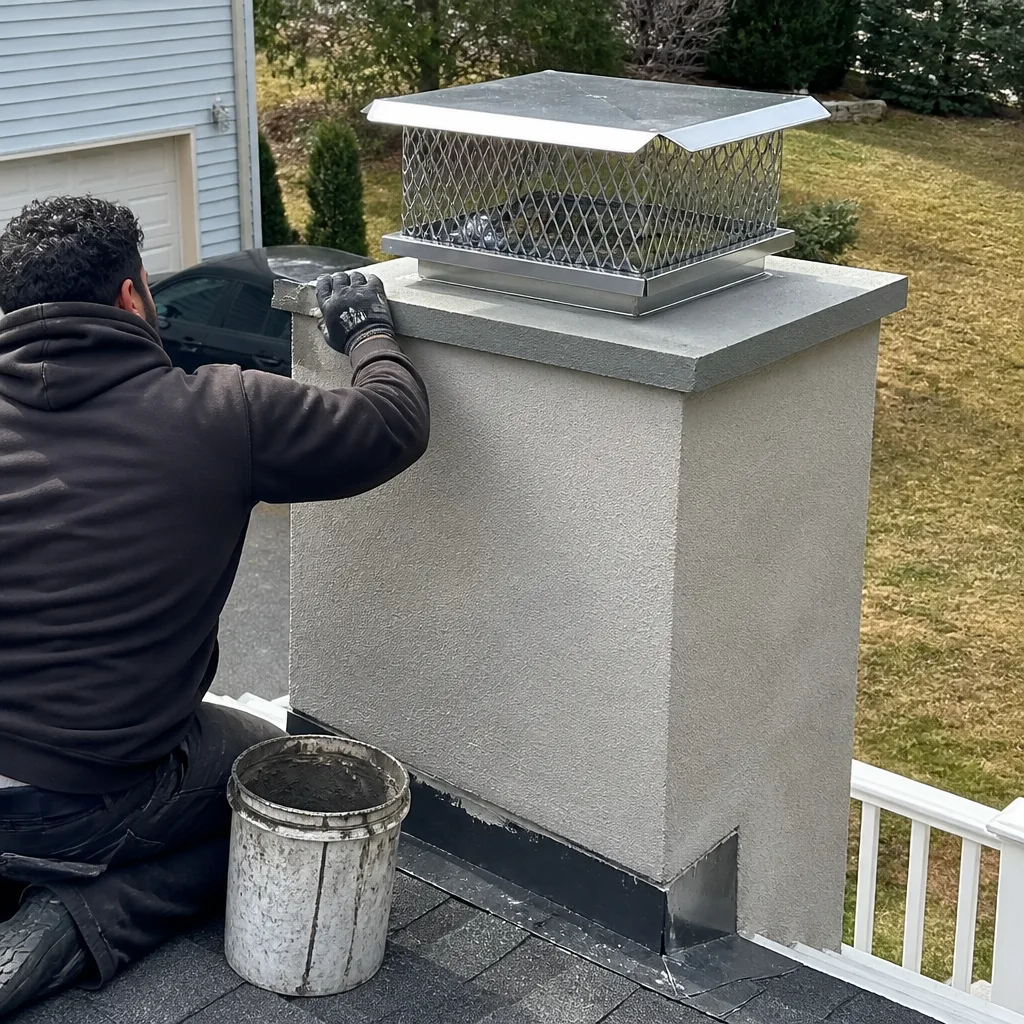 After
AfterChimney Cleaning & Sweep Maintenance Checklist for Dix Hills Homeowners
Most chimney checklists read like they were written by someone who has never stood on a Long Island roof in February. They mention “inspect the flue” and “check for obstructions” but skip the freeze-thaw crown cracks, the salt-air cap corrosion, and the damper rust that show up faster in Dix Hills than almost anywhere inland. Here’s the truth: there are things you can spot from the ground or the firebox in five minutes that tell you more about your chimney’s health than some sweeps notice in a full visit. This guide gives you the actual walkthrough, the real maintenance record system, and the honest word on which repairs can wait and which ones can’t.
Quick Answer
Chimney maintenance in Dix Hills comes down to three commitments: an annual sweep (burn or no burn), a five-minute visual check before each burning season, and a written record of every cleaning and repair you’ve had done. The most important homeowner task is checking your crown, cap, and firebox for Suffolk County’s two biggest enemies: freeze-thaw spalling and salt-air corrosion. A chimney that gets a Chimney Cleaning & Sweep yearly, inspected honestly, and photographed from the same angles each season will almost never surprise you with a four-figure repair.
Table of Contents
- The Before-Season Homeowner Walkthrough
- Salt Air and Freeze-Thaw: What Long Island Does to Chimneys
- Your Maintenance Record: What to Note and Photograph After Every Cleaning
- Reading a Sweep’s Report: What Needs Action Now vs. Later
- Tracking Creosote Buildup: Wood Type, Burn Frequency, and Realistic Intervals
- The Off-Season Check: Burn or No Burn
- Common Mistakes to Avoid
- When to Call a Professional
- Frequently Asked Questions
- The Bottom Line
The Before-Season Homeowner Walkthrough
Before you light the first fire of the season, spend five minutes looking at three places: the firebox, the damper, and the crown. You don’t need a ladder for two of them, and you don’t need any tools for the third beyond a pair of binoculars or a phone camera with a decent zoom. What you’re looking for is not complicated, but it is specific. In Dix Hills, the first cold snap usually arrives by late October, so aim to do this walkthrough the first weekend of October, before the weather turns and before every sweep’s calendar fills up.
Step 1: The Firebox Check
Open the damper as far as it goes and shine a flashlight up into the firebox. Run your hand along the back wall and the side walls. You’re feeling for three things: crumbling mortar joints, cracked firebrick, and a white or gray powdery residue that rubs off on your fingers. That powder is efflorescence, and it means water is getting into the masonry somewhere above. In a Dix Hills chimney, that water almost always gets in through a cracked crown or a failed cap gasket, not through the brick itself. If the firebrick is cracked less than a quarter-inch, it’s cosmetic and can wait. If a brick has shifted out of plane or a mortar joint is missing entirely, that’s a repair you want scheduled before you burn, not after.
Step 2: The Damper Test
Open and close the damper three times, slowly. It should move without grinding, stay open without being propped, and close with a solid seat. If it sticks, rusts, or won’t close completely, you’re losing heated air up the flue all winter and pulling cold air down in summer. In our experience, most sticky dampers in Dix Hills homes are either rusted at the hinge from years of humid summer air or warped from heat if the homeowner occasionally forgot to open it fully before lighting a fire. A damper that doesn’t seat properly costs you money every month, even when the fireplace is cold. It’s one of the cheapest fixes on the chimney, and one of the most often ignored.
Step 3: The Crown and Cap Check from the Ground
Walk to the street or the edge of your driveway and look at the top of the chimney with binoculars or your phone camera at full zoom. The crown is the concrete or mortar slab that caps the top of the masonry stack. The cap is the metal cover above it. You’re looking for three signs: a cracked crown with visible fissures, a cap that’s rusted through or missing entirely, and any gap between the flue tile and the crown surface. In Dix Hills, crowned cracks wider than a hairline are a warning, not a wait-and-see. Water gets in, freezes in February, and the crack widens. If you see a crack, photograph it, note the date, and compare it after the next rain. If it’s visibly wider, schedule the repair. If the cap looks rusted but still solid, wire-brush it in spring and repaint it. If the cap is missing, don’t wait. Rain goes straight down the flue and into the firebox, and that’s how you get efflorescence, rusted dampers, and liner damage all at once.
Salt Air and Freeze-Thaw: What Long Island Does to Chimneys
Dix Hills sits about eight miles from the Long Island Sound and about fifteen from the ocean. That’s close enough for salt-laden air to reach your chimney, especially in the shoulder seasons when the wind comes off the water. Salt air does two things: it accelerates rust on metal components (caps, dampers, chase covers, even the wire mesh that’s supposed to keep animals out), and it etches into brick and mortar over decades, making the surface more porous and more vulnerable to freeze-thaw damage. A chimney in Dix Hills will typically show cap corrosion and mortar spalling three to five years before the same chimney in, say, Melville or Commack, simply because of the salt exposure.
Freeze-thaw is the other Long Island constant. Winter temperatures here hover around freezing, which is the worst possible condition for masonry. When water gets into a hairline crack and the temperature cycles between 28 and 40 degrees multiple times in a single week, the water freezes, expands, thaws, and repeats. Each cycle widens the crack slightly. After one winter, a hairline crack becomes a visible crack. After three winters, a brick face starts popping off. After five, you’re talking about a partial rebuild, not a repointing job. The homeowner walkthrough above, done every October at minimum, catches these cracks in stage one. That’s the difference between a $200 crown seal and a $2,500 masonry job.
What to watch specifically in Dix Hills:
- Cap rust: if the cap shows rust streaks running down the flue tile, the cap has already failed and is actively rusting. Replace it before it rusts through.
- Crown hairline cracks: any crack you can see with binoculars from the ground is at least an eighth of an inch wide up close. Seal it now, not later.
- Spalling brick faces: if you see brick chips on the roof or on the ground near the chimney, that’s the end stage of freeze-thaw. The masonry needs a real repair, not just a sealer.
- Salt glaze on the flue interior: if your sweep mentions a white, crusty deposit inside the flue that isn’t creosote, that’s salt efflorescence from water intrusion. It means the water problem is active, not historical.
One more note on the salt-air reality: if you live in the northern section of Dix Hills, closer to the bluffs and the Sound, you’re getting measurably more salt exposure than the southern section near the county line. Your chimney’s metal components will wear out faster. Plan for cap replacement every ten to fifteen years instead of fifteen to twenty, and inspect the mesh screen every spring for rust-through.
Your Maintenance Record: What to Note and Photograph After Every Cleaning
A receipt from a chimney sweep is not a maintenance record. It tells you what was done and what you paid, but it doesn’t tell you what changed since last year, what’s getting worse, or what the sweep said about the things he didn’t fix. If you want a real record, you need three things: a before-and-after photo set from the same angle every time, a written list of findings in plain English, and a follow-up note on anything that was flagged in a previous year. Here’s how to build one in Dix Hills, where the same chimney inspected annually for ten years is worth more than a single inspection by the most expensive company on Long Island. For more guides & resources, see our blog.
Numbered Record-Keeping System
- Take three photos before the sweep arrives. One of the firebox from straight on, one of the damper from below, one of the crown and cap from the street or driveway. Use the same three angles every year. Your phone’s timestamp does the rest.
- Take the same three photos after the sweep finishes. The post-sweep firebox photo shows what “clean” looks like for your fireplace. Next year, you compare the “before” photo to last year’s “after” photo, not to your memory.
- Ask for the camera footage. Any sweep worth hiring in Dix Hills should run a camera up the flue and either show you the live feed or give you a recording. If they don’t, ask for it. The footage of the flue interior is the single most useful record you can keep, because it shows creosote glaze, cracks, and liner condition in a way words cannot. Top Hat Chimney gives you the camera footage and a plain-English rundown on every cleaning. No exceptions, no upsell, no mystery. If a competitor won’t do that, that’s your answer about whether to hire them again.
- Write down the findings in your own words, same day. Not the sweep’s words. Yours. “Flue had moderate creosote. Damper is stiff but working. Crown crack is the same as last year.” Your own notes force you to actually understand what was said.
- File the photos and the notes together. Digital folder or a physical envelope, dated by year. When you sell the house, this record is a selling point in Dix Hills real estate markets. When you hire a different company, this record prevents the “$3,000 liner replacement” speech because you have documentation showing what the liner looked like six months ago.
Reading a Sweep’s Report: What Needs Action Now vs. Later
Every sweep’s report, ours included, will contain a mix of observations, recommendations, and repair quotes. The skill is knowing which items on that report are urgent, which are seasonal, and which are genuinely optional. Here’s the field guide we use, and it applies to any report you get from any company in Dix Hills.
Act Within 30 Days
- Third-degree creosote glaze: this is a hard, shiny creosote that won’t brush off. It’s a fire hazard. In our experience, it forms fastest in Dix Hills homes that burn softwoods like pine in modern airtight fireplaces. Schedule removal within a month.
- Damaged or missing chimney cap: as covered above, water and animals both get in without one. It’s the cheapest fix on the list and the most expensive to ignore.
- Any crack in the liner or flue tile wider than a quarter-inch: this is a carbon monoxide risk. If the report says “stage 1 crack” or “hairline crack,” get a second look. If it says “open crack” or “missing flue tile,” act within the month.
- Water staining in the firebox or on the ceiling near the chimney: active leak. It’s not going to dry out and self-heal. Find the source and fix it before winter.
Schedule Before Next Season
- First or second-degree creosote buildup: this is normal. It’s why annual cleanings exist. If you’re burning seasoned hardwood and getting annual sweeps, you’ll rarely see more than second-degree creosote. If the report says “moderate” or “heavy” second-degree, just schedule the next cleaning a month earlier than usual.
- Hairline crown cracks: if crack is less than a sixteenth of an inch, sealing can wait until spring or early fall when the weather is dry. If it’s winter and it’s already cracked, don’t wait twelve months, but don’t panic either. Spring is fine.
- Rusted but intact cap or damper: wire-brush it, repaint it with high-temp paint, and plan for replacement in the next year or two. It’s a maintenance item, not an emergency.
Can Wait - and That’s the Honest Truth
- Cosmetic cracks in firebrick under a quarter-inch: the firebrick is absorbent by design. Small cracks are normal and do not affect safety.
- “Dirty” mortar joints that are still structurally sound: if the mortar is stained but solid, it’s an aesthetic issue. Repointing for appearance is your call, not a safety requirement.
- Flue tile covers or “top-sealing dampers”: those are efficiency upgrades. They help, but they’re not required. Any sweep who tells you they’re mandatory is selling, not inspecting.
We’ve seen plenty of Dix Hills homeowners spend $5,000 on a liner replacement that another company told them they absolutely needed, when the footage shows a serviceable liner with a minor crack. Always ask for the camera footage. Always get a second opinion if the recommendation is expensive. Top Hat Chimney offers a free second opinion on any written estimate, whether it’s from us or a competitor. If the other guy’s report says you need major work, bring it to us. We’ll look at the same chimney and give you the plain-English verdict, the way Top Hat Chimney home has since 1999.
Tracking Creosote Buildup: Wood Type, Burn Frequency, and Realistic Intervals
Your flue doesn’t care how the fire looks. It cares how it breathes. Creosote forms when wood smoke cools and condenses on the flue walls, and the rate it accumulates depends on three things: what you burn, how often you burn it, and how hot the fire gets. A Dix Hills homeowner who burns only seasoned oak or maple two or three nights a week will get a light coating that an annual sweep handles easily. The same homeowner burning unseasoned pine every night will build a second-degree glaze in six weeks. Here’s how to track your own buildup rate so you’re not guessing at cleaning intervals, or read our The Complete Guide to Chimney Cleaning in Dix Hills for the full picture.
First, understand the three stages. First-degree creosote is a flaky, sooty powder, the kind that brushes off with a standard wire brush. Second-degree is a thick, tar-like coating that requires more aggressive mechanical removal. Third-degree is a hard glaze, shiny like glass, that chemical treatments soften but don’t fully remove. First-degree is normal. Third-degree is a fire waiting to happen.
The wood you burn is the single biggest variable you control. Seasoned hardwood (oak, maple, hickory) dried for at least twelve months burns hot and clean, producing minimal creosote per cord. Unseasoned wood burns cooler and smokier, and most of that smoke condenses in your flue. Softwoods like pine and spruce burn hot but fast and resinous, which deposits creosote quickly if burned regularly. The firewood you buy from a roadside seller in Dix Hills has usually been split for less than six months. That’s not seasoned wood, no matter what the sign says. If you’re buying firewood, buy it in spring, stack it with airflow, and burn it next winter. Your flue will thank you.
Burn frequency is the second variable. Occasional burners (less than two fires a week) often think they need less frequent cleaning. In reality, they need the same annual sweep, because their fires are more likely to be started with paper and kindling, which burn cool and smokier in the first twenty minutes. Frequent burners (four or more fires a week during the season) get hotter, more efficient burns once the fireplace is up to temperature, but they’re also pushing more total material through the flue. Both groups should get an annual sweep in Dix Hills. The difference is what the sweep finds, not when he comes.
Here’s how to track your buildup rate. After your next sweeping, ask the sweep to classify the creosote level as first, second, or third degree, and to note it on the receipt. Write it down in your maintenance record. Next year, same question. If it’s first-degree again, the annual schedule works for your burning habits. If it’s second-degree two years in a row, you need to either burn hotter fires, switch to better wood, or schedule cleanings every eight months instead of twelve. If it’s third-degree, you’ve got a problem to solve before the next fire: the wood is too wet, the fires are too cool, or the flue is undersized for the fireplace. Call Chimney Cleaning & Sweep in Dix Hills and ask about it. Wendell and his crew have been classifying creosote in Suffolk County homes since 1999, and we’ll tell you straight whether it’s your wood, your burn habits, or the chimney itself.
The Off-Season Check: Burn or No Burn
Once a year, burn or no burn. Chimneys break in the off-season too. The most common off-season failure in Dix Hills is not fire-related at all. It’s water. A crown crack that opened in January keeps opening through the spring rains. A cap that rusted through in the summer lets every nor’easter pour straight down the flue. The damper that stuck all winter keeps sticking all summer, and by October, it’s frozen solid. If you only think about your chimney when you’re lighting a fire, you’re giving problems eight months a year to get worse. Here’s the off-season checklist that takes fifteen minutes, once in spring, no tools required.
- Walk the perimeter of the house and look at the chimney from all four angles. Water staining, missing mortar, and new cracks show up most clearly after the winter thaw. Note anything new in your maintenance record.
- Check the firebox for water marks. Rainwater coming down an uncapped flue leaves distinct streaking on the firebrick. If you see it, the water is coming in from the top, and that’s a fix for this spring, not next fall.
- Run the damper through its full range of motion. If it’s stiff, lubricate the hinge with a high-temp graphite spray. If it’s seized, don’t force it. Call a sweep.
- Look at the chimney cap from the ground with binoculars. Rust streaks, loose mesh, or a cap that’s listing to one side all indicate the cap needs attention. Spring is the best time to replace it, because roofs in Dix Hills are dry and safe to work on from April through June.
- Schedule next season’s sweep now, not in October. Every chimney company in Suffolk County books solid from mid-September through New Year’s. If you call in June, you get your choice of dates. If you call in November, you get what’s left. Top Hat Chimney answers the phone twenty-four hours a day, but even Wendell doesn’t have a time machine.
The off-season check matters more in Dix Hills than in drier inland climates because our winters are not the only season with freeze-thaw cycles. March and April here are just as bad. A crack that forms in October and isn’t sealed until May has survived forty freeze-thaw cycles. Sealed in October, the same crack never gets worse. The fifteen minutes you spend on the spring check is the cheapest chimney maintenance there is.
Common Mistakes to Avoid
- Skipping the sweep because “we didn’t burn much this year.” Creosote from even a handful of fires can build to a dangerous level, especially if you burned unseasoned wood. And off-season water damage doesn’t care how many fires you had.
- Burning the wrong wood because it was cheap. The “seasoned firewood” sold at the grocery store parking lot in Dix Hills is often split the same season it’s sold. Wet wood smokes, and smoke is creosote. A cord of properly seasoned hardwood costs more up front and saves you a $300 creosote removal and a chimney fire risk on the back end.
- Ignoring a small crown crack because “it’s been there for years.” Freeze-thaw doesn’t care about your timeline. The crack you saw last spring is wider now, and if you don’t know that, you can’t act on it.
- Using a “chimney cleaning log” instead of a real sweep. Those logs are a supplement, not a substitute. They soften creosote but don’t remove it. A flue that needs a brush still needs a brush after the log burns.
- Assuming a home inspector inspected the chimney. Most Dix Hills home inspections include a visual look at the firebox and the exterior, but not a camera run up the flue. When you buy a home, get a real chimney inspection, not a checkbox.
- Paying a national chain for a low-price sweep that turns into an upcharge at the door. Ask anyone on your street who’s tried it. The phone price and the driveway price are not the same number. Top Hat Chimney gives you the price before a single tool comes off the truck, and the number you hear is the number on the invoice.
- Forgetting the spring check. The annual sweep is not the same as the annual inspection. The sweep cleans. The walkthrough catches what’s broken. Do both, in different seasons, every year.
When to Call a Professional
Here’s the honest list. Call a professional if you see water in the firebox, if the damper is seized or won’t close, if the crown crack looks wider than it did last season, if you smell smoke in the house after the fireplace has been burning for twenty minutes, or if you’ve skipped sweeping for more than eighteen months. Also call if you’ve bought a house in Dix Hills and don’t know the chimney’s history. A camera inspection costs far less than the liner replacement you’ll need if you burn blind. Top Hat Chimney offers free estimates in Dix Hills, and if you’ve got a written estimate from another company, bring it in. We’ll give you a free second opinion and the plain-English version of what the other report actually says. Call (631) 318-8656.
Frequently Asked Questions
A standard chimney cleaning and inspection in Dix Hills typically runs between $180 and $340, depending on the flue size, accessibility, and how much creosote has built up. A sweep that includes a full camera inspection and a written report usually lands in the $250 to $350 range. Cheaper quotes from national chains often add fees for “creosote removal” and “glaze treatment” at the door. Top Hat Chimney gives you one price before the work starts, with no upcharge for a standard first or second-degree creosote cleaning. Call (631) 318-8656 for an exact quote. Estimates are free.
You need a new liner if the current one is cracked, deteriorated, or was never installed properly, which is something you can only confirm with a camera inspection. Some companies recommend liner replacement on nearly every chimney they inspect because the job pays well, not because the liner actually failed. If a sweep recommends a liner replacement, ask to see the camera footage that shows the damage. If they won’t show it, get a second opinion. Top Hat Chimney gives you the footage and the plain-English answer on every job. No mystery, no pressure.
Once a year, burn or no burn, for every active fireplace in Dix Hills. Wood-burning fireplaces should be swept after every cord of wood burned, which for most Suffolk County homeowners averages out to about one cleaning per season. If you burn more than two cords per winter, schedule a mid-season check as well. The annual sweep is about removing creosote, but it’s also about catching the water damage that happens in the off-season, and that part matters whether you lit a single fire or fifty.
If you skip the annual sweep, creosote accumulates in the flue, and creosote is the fuel for chimney fires. A first-degree coating brushed away annually is harmless. Left for three or four years, the same creosote compacts into a glaze that burns at over 2,000 degrees and can crack the flue liner, which is the thing that protects your house from the fire in the flue. A chimney fire is often not loud or dramatic. It sounds like a freight train or a low rumble, and it can go unnoticed until the damage is done. In Dix Hills, where chimneys are exposed to salt air and freeze-thaw, a skipped cleaning also means skipped inspection, and the most expensive water damage is the kind you don’t see until it has reached the second floor.
Look for a local business with a published address and a published name, not just an 800 number. Ask if the sweep is licensed and insured in New York State. Ask if you can see the camera footage from the inspection. Ask if the price quoted on the phone is the price on the invoice. Ask how long they’ve served Dix Hills specifically. Top Hat Chimney was founded in 1999 by Wendell Pike, the business is locally owned and owner-operated, and Wendell puts his name on the work and runs into you again on Saturday. The Best choice is the one with a face and a phone number that answers.
You can do the walkthrough, the seasonal checks, the record keeping, and the firewood management yourself. All of that is covered in this guide and requires no tools beyond a flashlight and a phone. What you should never do yourself is work on the roof, on the crown, or inside the flue. Chimney work involves ladders, falling hazards, and if the flue is obstructed, carbon monoxide. Even a brush cleaning from the top requires being on the roof with the right safety equipment and the right technique. In Dix Hills, where roofs are steep and winter ice is real, hire a sweep. It costs less than the emergency room.
The Bottom Line
Your chimney is not a set-it-and-forget-it fixture, and in a Suffolk County climate, it’s not even a set-it-and-clean-it fixture. It’s a system that needs a homeowner’s eye between professional visits, and the eye you bring matters more than you think. Do the October walkthrough, do the spring off-season check, track your creosote levels by wood type, and keep a real maintenance record with photos and footage. Sweep once a year regardless of how much you burned. Fix the crown cracks and cap rust when they’re small. Get a second opinion before any expensive repair. If you follow this checklist, you’ll rarely be surprised. And when you are surprised, call Chimney Repair in Dix Hills for an honest look before you write a check. Some of us have been working these chimneys since before the new developments went in, and if you need Fireplace Services in Dix Hills, we’ll be straight with you about what needs doing and what can wait. Call (631) 318-8656 for a free estimate, and we’ll put you on the calendar.
Written by Wendell Pike, Owner at Top Hat Chimney, serving Dix Hills since 1999.