
Last updated September 10, 2026
Level 1 sweep and inspection to the NFPA 211 annual standard - flue, crown, cap, and flashing checked and photographed
Chimney sweep logs do not sweep chimneys. They loosen some creosote - which then falls where a brush and vacuum still have to collect it.
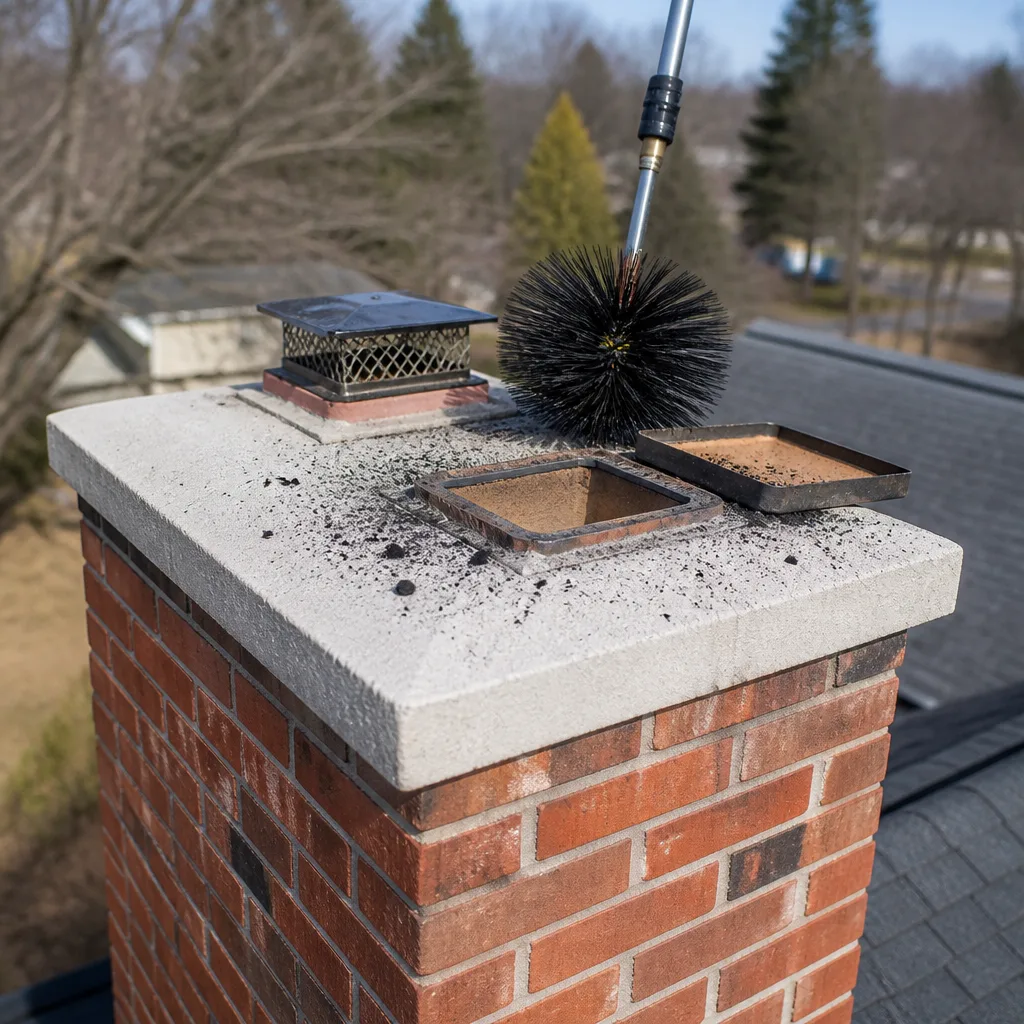
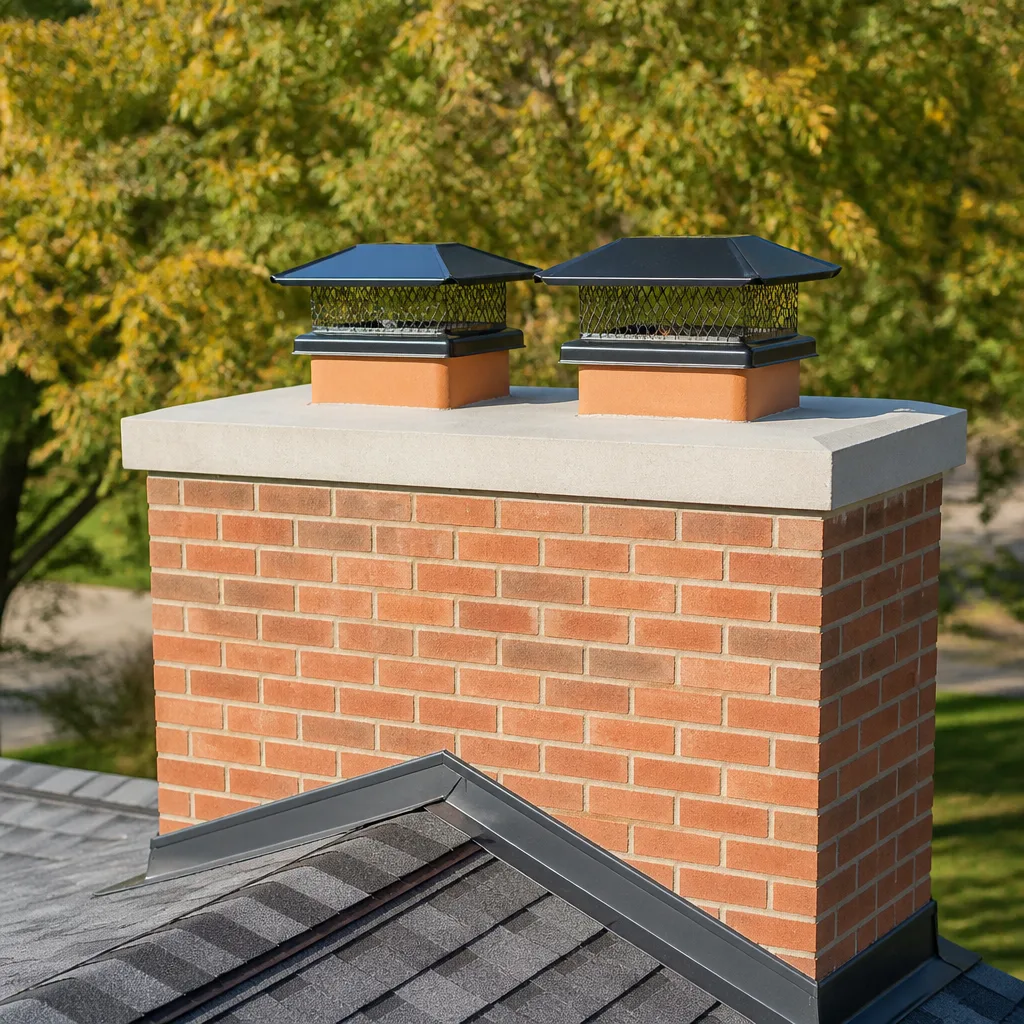
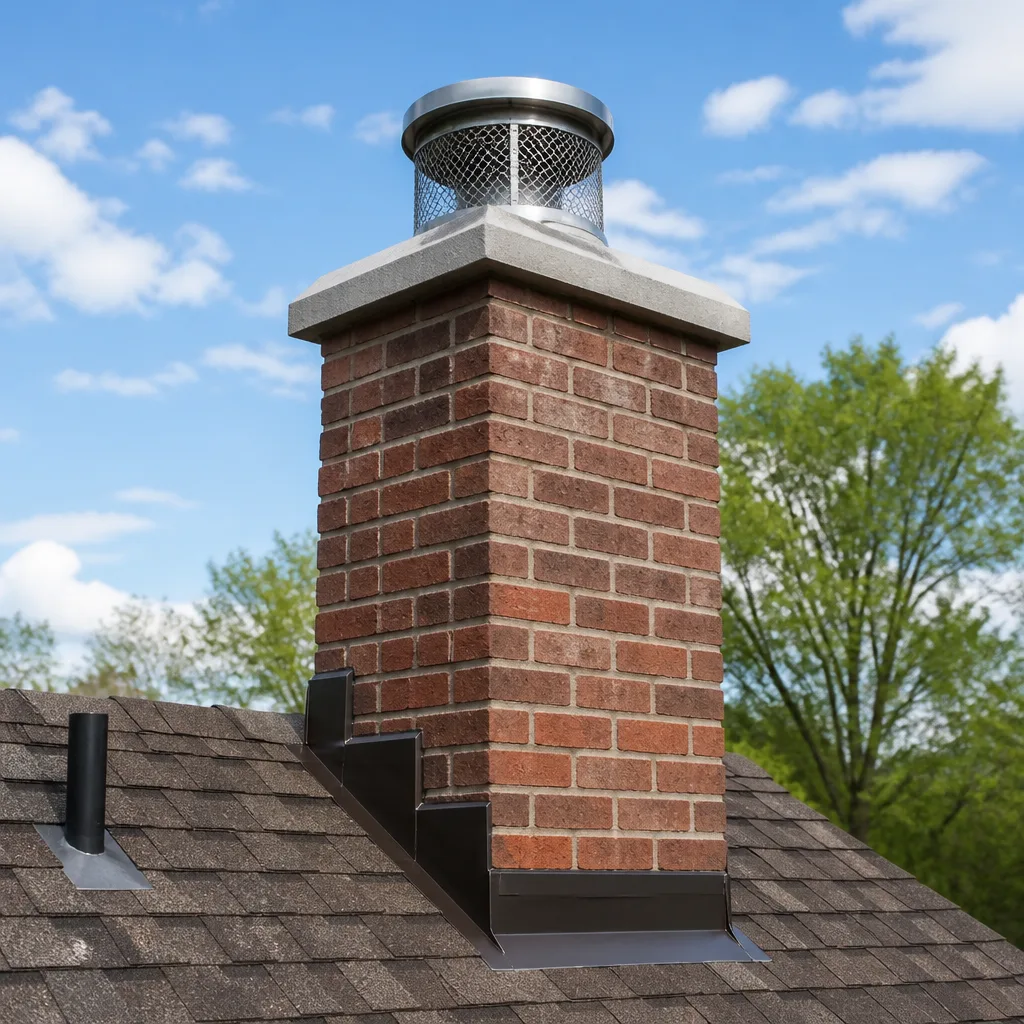
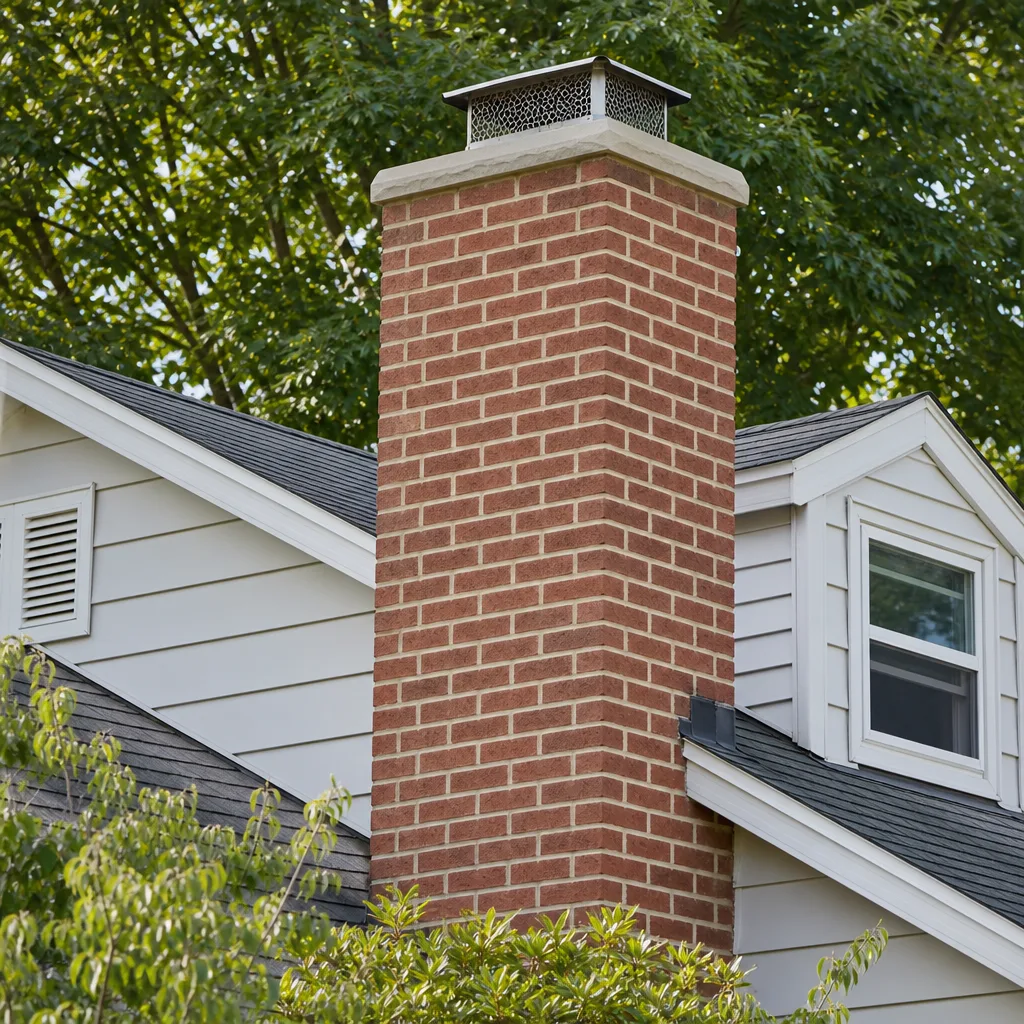
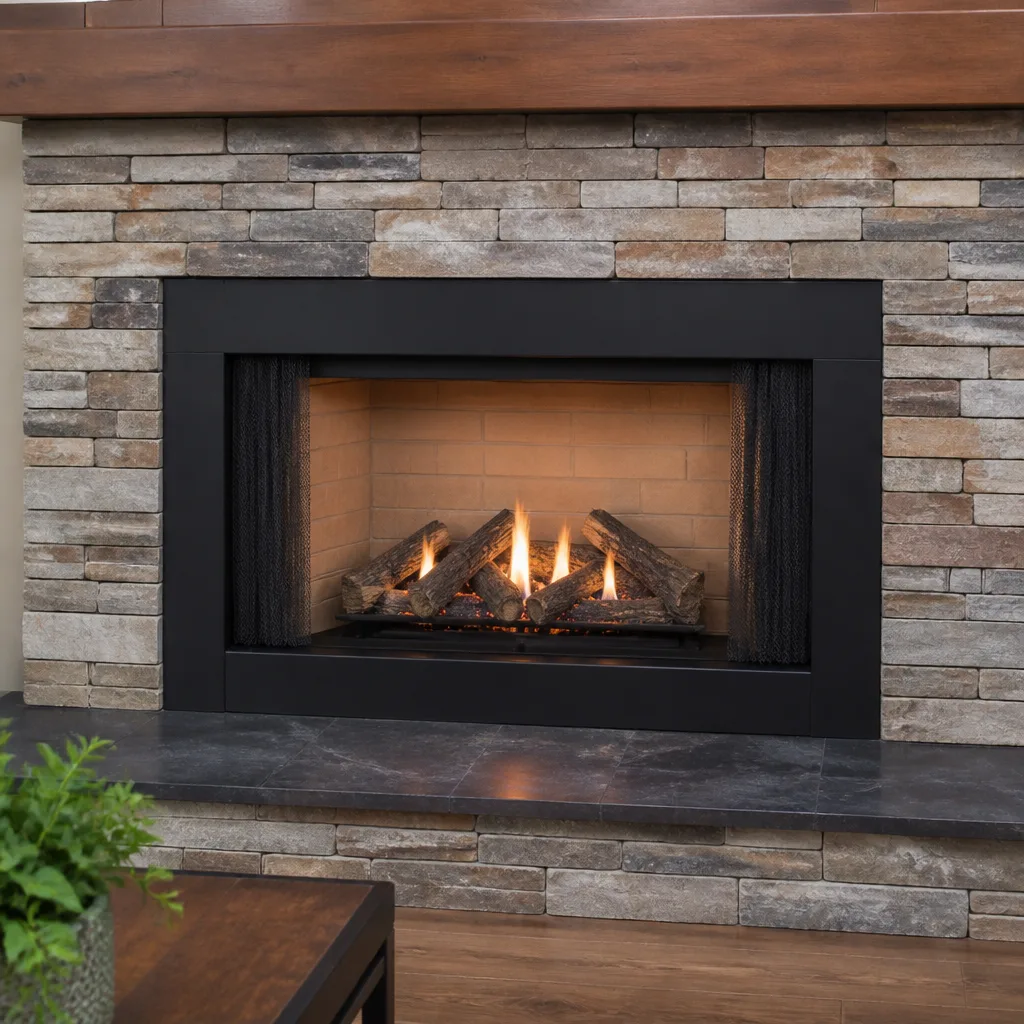
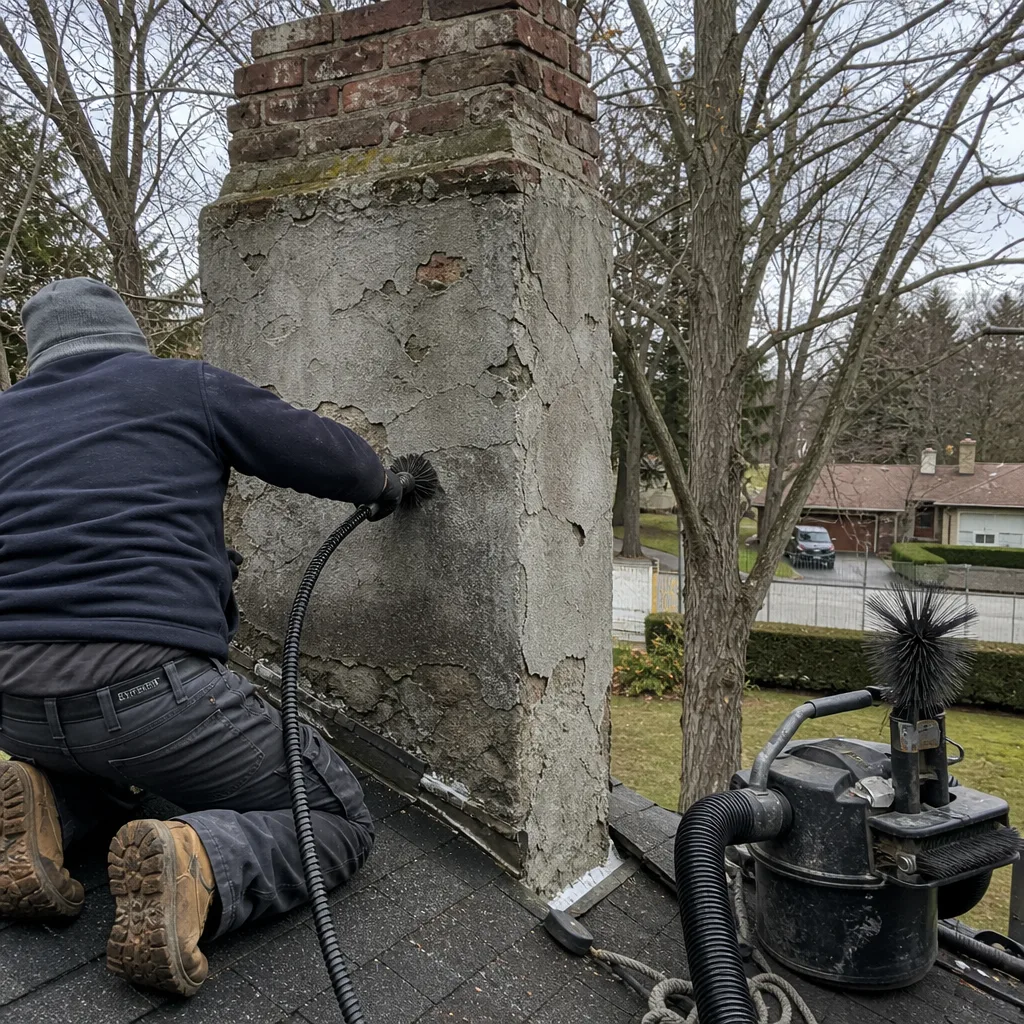 Before
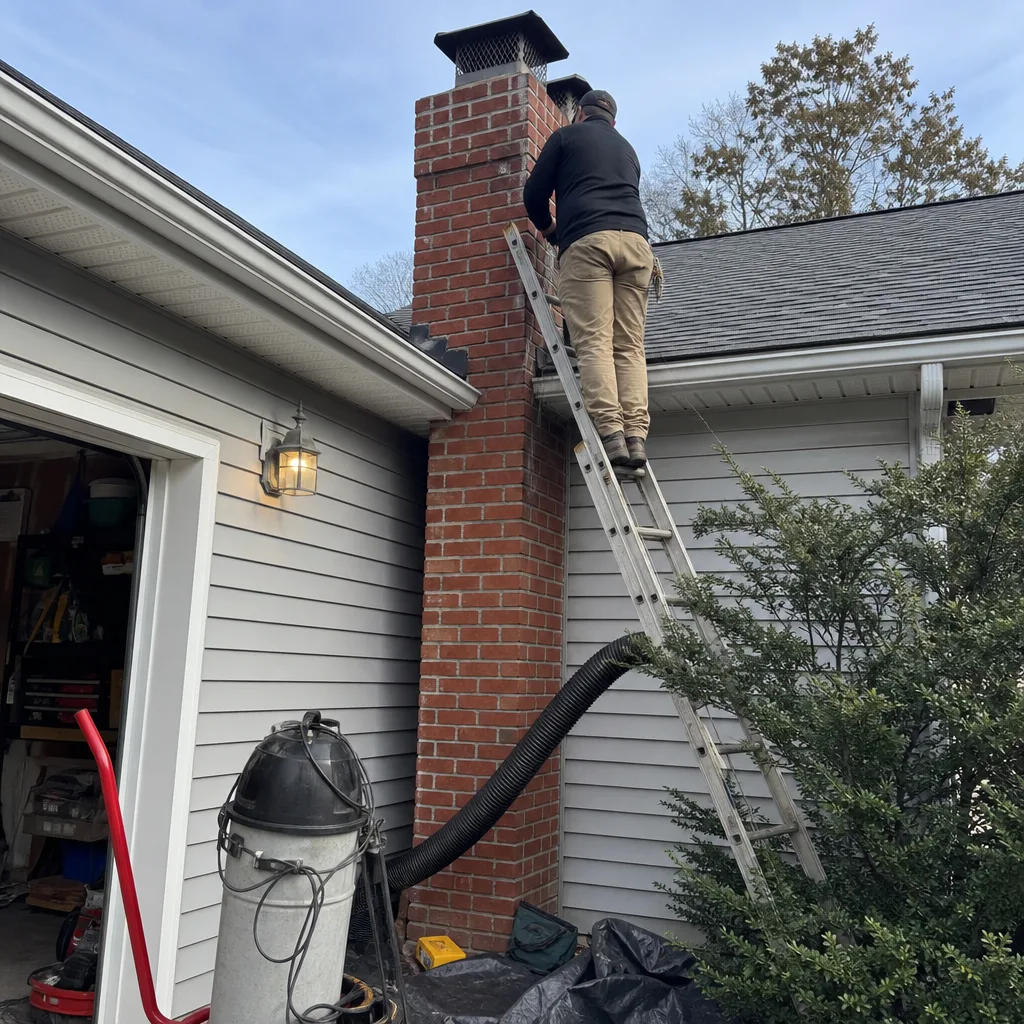 After
After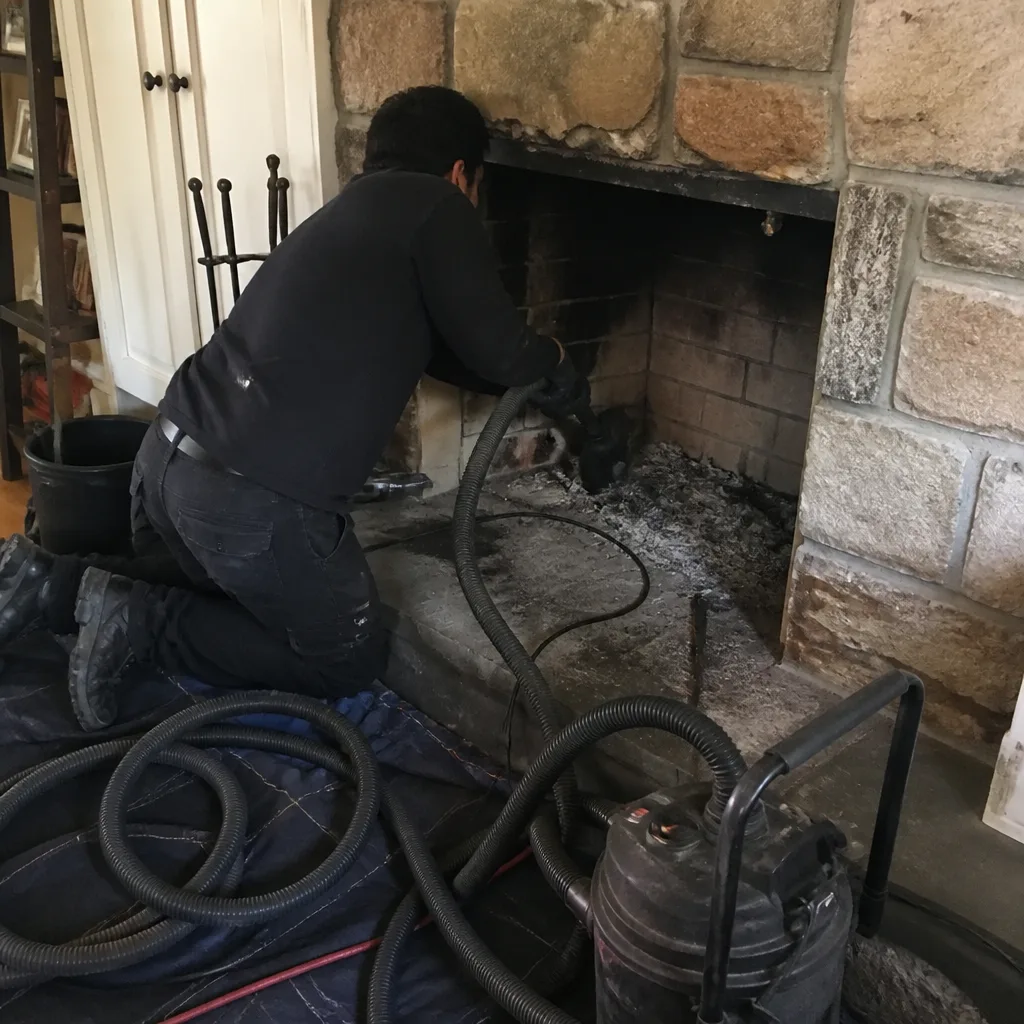 Before
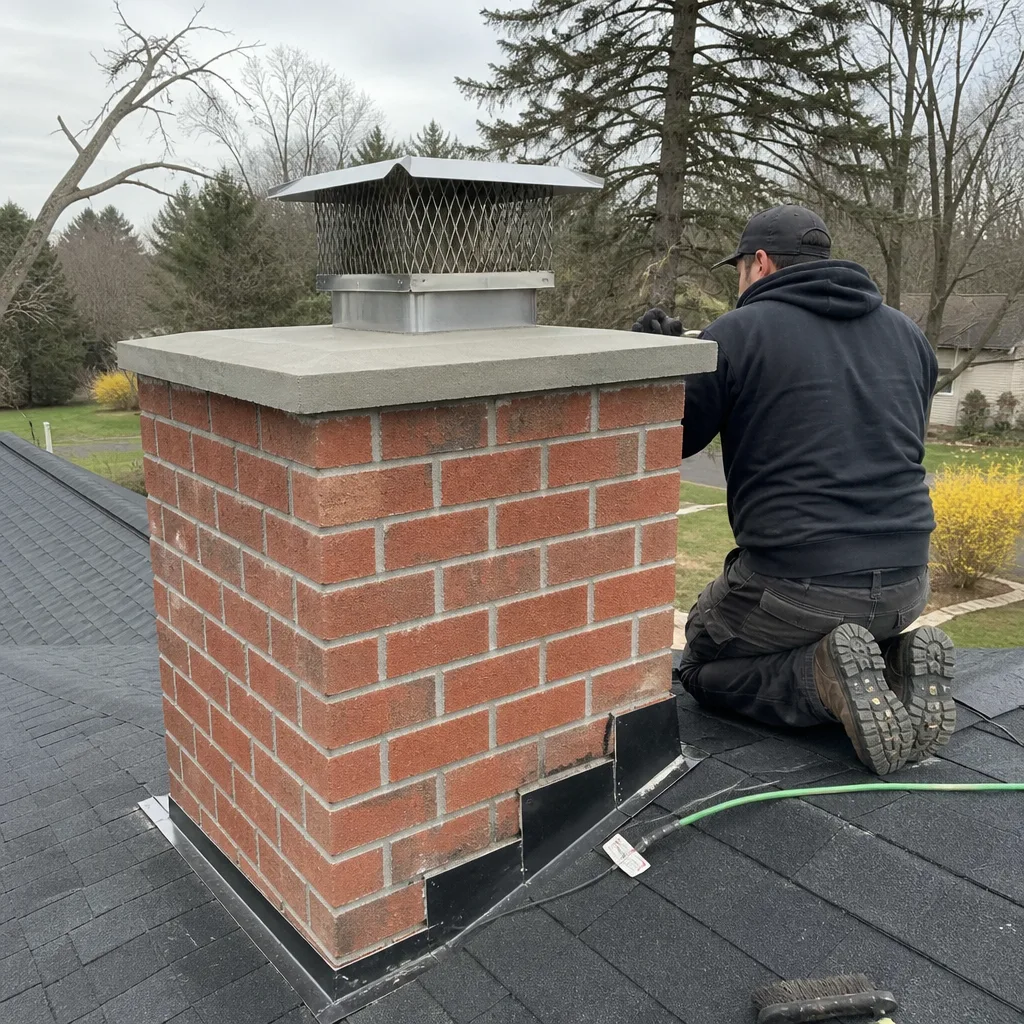 After
After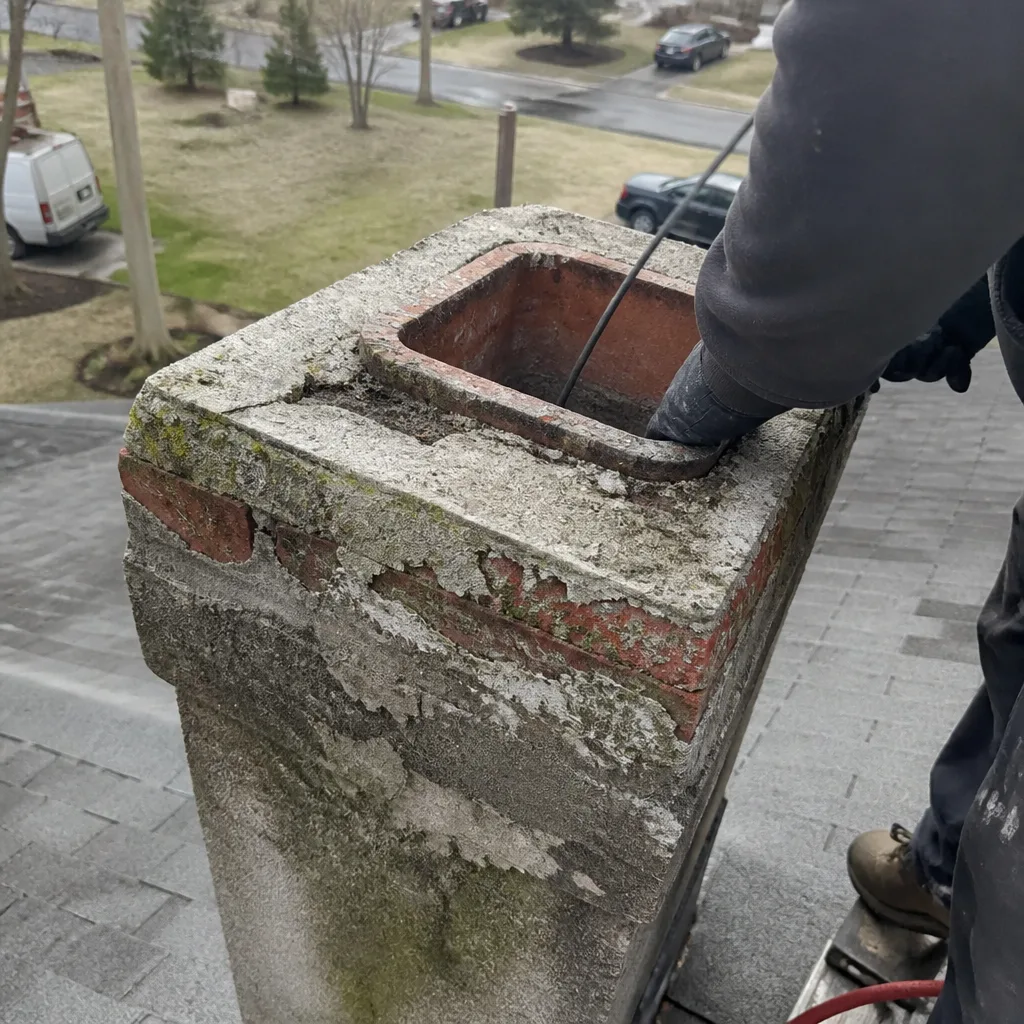 Before
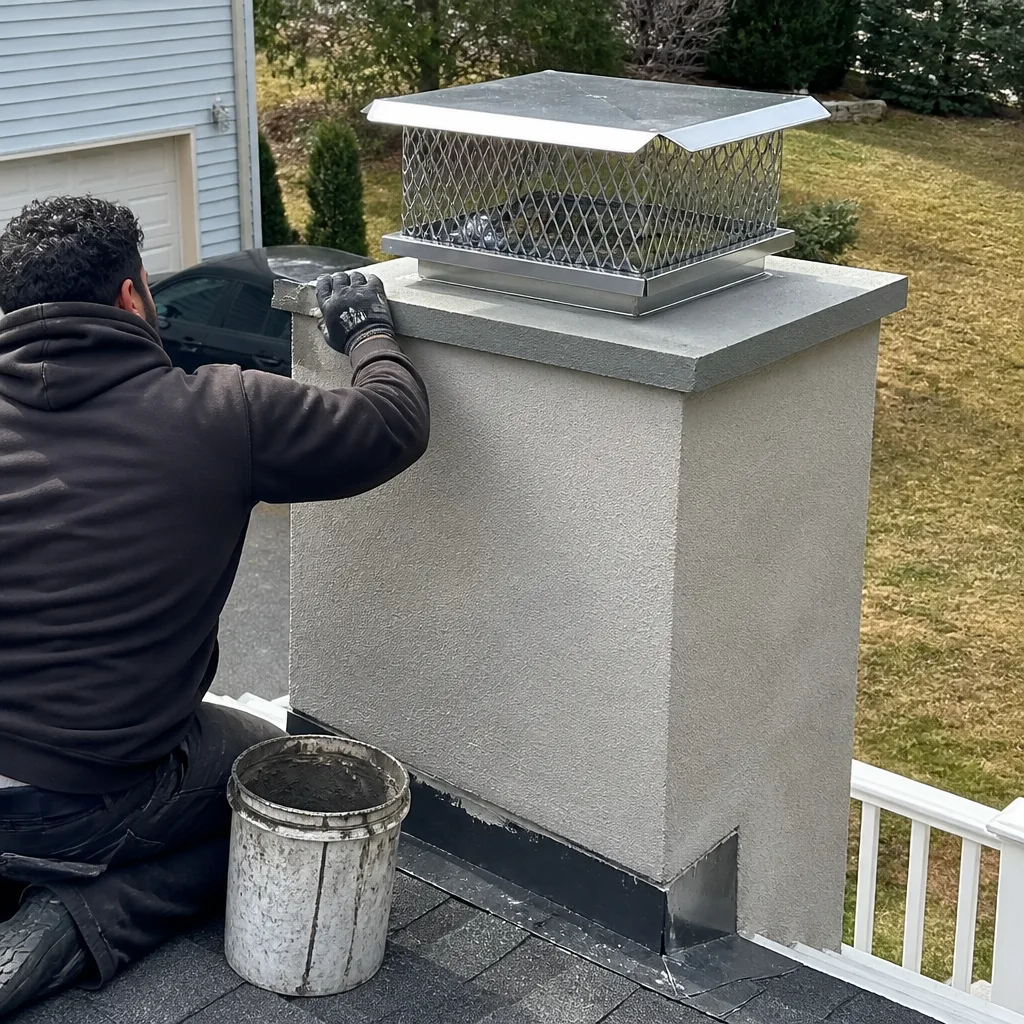 After
AfterDIY vs Professional Chimney Cleaning: The Dix Hills Homeowner’s Decision Guide
Wendell will be the first to tell you: if you have a straight, single-story flue, no creosote above Stage 1, and you’re willing to do it right, a brush kit and an afternoon is a legitimate option. But there are three situations where DIY makes the problem worse, and most guides don’t tell you what those are. This guide gives Dix Hills homeowners an honest accounting of when DIY is reasonable and when it isn’t. You’ll learn what equipment actually costs, which chimney configurations change the math entirely, and how to know if you did the job right.
Quick Answer
DIY chimney cleaning is reasonable for Dix Hills homeowners with a straight, accessible flue and light (Stage 1) creosote buildup, costing roughly $60 to $120 in equipment. Professional cleaning is the better choice when you have Stage 2 or Stage 3 creosote, an offset flue, or a pre-1980 clay tile liner, and costs between $179 and $299 in the Dix Hills area. If you’re not sure which camp you’re in, call (631) 318-8656 and Wendell will tell you straight.
Table of Contents
- When DIY Is Reasonable
- When DIY Is the Wrong Call
- What DIY Equipment Actually Costs vs a Professional Sweep
- The Three Situations Where DIY Creates More Risk Than It Removes
- Why Cleaning Is Only Half the Job
- How to Know If You Did the Job Right
- Dix Hills Chimney Specifics You Should Know
- Common Mistakes to Avoid
- When to Call a Professional
- Frequently Asked Questions
- The Bottom Line
When DIY Is Reasonable
Let’s be straight about this: cleaning a chimney is not complicated work. It’s a brush on a rod, pushed through a flue. The technique has not changed in two hundred years. What matters is whether your specific chimney lets you do it properly, and whether you’re willing to do the prep work right.
Here’s what a genuinely DIY-friendly chimney looks like:
- A straight flue. No offsets, no bends, no elbows. The brush travels in one clean line from the firebox to the chimney cap.
- Single story or an easily accessible roof. If you can safely stand on a ladder or the roof with stable footing, you’re in business. If your roofline in Dix Hills has a steep pitch, that changes things.
- Stage 1 creosote at worst. That’s the fluffy, dusty, dark gray or brown deposit you can scrape off with a fingernail. It brushes out easily.
- A cleanout door that opens. Many Dix Hills homes have a cleanout at the base of the chimney. If yours opens and you can fit a vacuum hose or a bucket under it, the mess is manageable.
- Time and patience. This is not a twenty-minute job on your first attempt. Budget half a day, including setup and cleanup.
If all of those boxes check, a DIY sweep is a reasonable choice. You’ll save the cost of a professional visit, and you’ll learn something about your chimney in the process. In our experience, maybe one in five Dix Hills chimneys falls into this category. The rest have at least one complication that makes DIY riskier than it looks.
When DIY Is the Wrong Call
This is the part most guides skip. They’ll tell you how to clean a chimney and leave you to figure out whether yours is actually cleanable. Here’s the honest accounting.
If you have more than a light dusting of creosote, a brush kit will not do the job. Stage 2 creosote is shiny, flaky, and hard, like crushed black glass. It requires rotary tools, chemical treatments, or both. Stage 3 is glazed creosote, which looks like tar and is genuinely difficult to remove. First-degree creosote is a brush job. Third-degree is a glaze, catch it early. A homeowner with a brush kit will scrape at Stage 2 for an hour, send a cloud of dust into the house, and leave the worst of it still bonded to the flue. That’s not a cleaning. That’s a false sense of security.
Offset flues are the second common disqualifier. If your chimney jogs to avoid a beam or an attic obstruction, the brush will not follow the bend. It’ll stop at the first offset, and everything beyond it stays dirty. Some homeowners get around this with flexible rods. Most end up frustrated, covered in soot, and no closer to a clean flue than when they started.
The third factor is liner condition. Older clay tile liners, which are common in pre-1980 Dix Hills homes, can be cracked, spalled, or shifted. Brushing a damaged liner makes the damage worse. A tile that was cracked but stable becomes a tile with a chunk missing. A homeowner brushing a compromised liner can turn a $300 cleaning into a $3,000 liner repair without knowing it happened.
From the Top Hat Chimney home page, you can see the range of what goes wrong in this area, and it’s mostly lintel cracks, liner failures, and creosote buildings that sat too long.
What DIY Equipment Actually Costs vs a Professional Sweep
Let’s put real numbers on this. Not vague “it’s cheaper to do it yourself” talk. Actual dollars.
DIY Equipment, Honest Pricing
- Basic brush kit (rods, brush, drill attachment): $40 to $80 at box stores or online. The quality of the rods matters; cheap fiberglass rods snap when you hit resistance.
- A ladder tall enough for your roofline: $150 to $300 if you don’t already own one. Most Dix Hills homes need at least a 24-foot ladder to reach a single-story chimney safely.
- A dust mask or respirator: $15 to $40. Do not skip this. Creosote dust is not good for your lungs.
- Drop cloths and a shop vacuum with a HEPA filter: $50 to $120 if you don’t have them. A regular shop vac will blow fine soot back into the room.
- Safety gloves and eye protection: $15 to $25.
Realistic total for a first-time DIYer: $120 to $550, depending on what you already own. If you already have a ladder and a shop vac, you’re looking at the bottom of that range. If you’re starting from nothing, you’re at the top.
| Professional Sweep (Dix Hills Area) | Typical Range |
|---|---|
| Standard cleaning and inspection, single flue | $179 to $249 |
| Two-story home or harder access | $229 to $299 |
| Stage 2 creosote removal (rotary treatment) | $100 to $200 additional |
| Camera inspection after cleaning | Often included or $75 to $125 when separate |
The math is not as lopsided as most DIY blogs want you to believe. By the time you buy the gear, spend the afternoon, and clean up the mess, you’ve saved maybe $100 to $150 on your first cleaning. On subsequent cleanings you’ll save more. But there’s a catch: as a homeowner, you’re cleaning blindly, and we’ll come back to that in the inspection section.
The Three Situations Where DIY Creates More Risk Than It Removes
These are the scenarios that matter, and they are the reason this guide exists. In twenty-nine years of cleaning chimneys around Dix Hills, Wendell has seen all three play out. Here they are, plain and specific.
1. Stage 2 or Stage 3 Creosote
Stage 2 creosote is shiny, hard, and flaky. Stage 3 is a thick glaze. Both require rotary tools with steel or carbide chains to break up. A standard brush will not touch them. Worse, a homeowner who brushes a Stage 2 chimney sends fine creosote dust through the house and into the air, and leaves the bonded creosote right where it was. The homeowner thinks the chimney is clean. The creosote is still there, still flammable, still building up with every fire. That’s a risk you didn’t have before: a clean-looking chimney that’s still dangerous. If you do not know how to identify creosote stages by sight and feel, you should not be the one cleaning the flue.
2. Offset Flues
An offset flue is any flue that changes direction between the firebox and the cap. Offsets exist where a chimney was routed around a structural element, or where a fireplace was added to a home not originally built for one. In Dix Hills, we see offsets most often in older colonials and ranches where a masonry chimney was repurposed. When a brush hits an offset, it stops. The homeowner pushes harder, the rod flexes, and one of two things happens: the rod snaps and gets stuck in the flue, or the brush hammers against the inside of the offset, risking damage to whatever liner is in there. Neither outcome is good. Professional sweeps use flexible rotary systems designed to follow bends. That is the part the YouTube video does not show you.
3. Older Clay Tile Liners in Pre-1980 Homes
Many Dix Hills homes were built before 1980. That means clay tile liners, which are durable but brittle. After forty or fifty years of heating and cooling cycles, those tiles develop hairline cracks, spalling, and mortar joint failures. A homeowner brushing the flue has no way to know the liner is compromised until a tile breaks. At that point, the repair bill went from a few hundred dollars to several thousand. A professional sweep checks the liner condition before he starts brushing, often with a camera. That pre-check is part of the job. When you skip it, you’re rolling dice on a flue you cannot see from the outside. We install and service Chimney Repair in Dix Hills liners, including DuraFlex stainless steel systems, which are the standard fix when a clay liner fails.
Why Cleaning Is Only Half the Job
Here’s a truth most DIY guides will not tell you: the brush work is the easy part. The value of a professional sweep is not in pushing a brush through a flue. It’s in everything the sweep sees while he’s doing it.
A full professional cleaning in Dix Hills includes an inspection of the flue interior, the smoke shelf, the damper assembly, the fireplace or stove connection, the chimney crown, the mortar joints, and the cap. Each of those components fails in predictable ways, and most of those failures are invisible to a homeowner standing in front of the fireplace. The camera footage and a plain-English verdict, every time, no exceptions.
Cleaning removes creosote. Inspection finds the cracked tile, the failing crown, the rusted damper, the missing rain cap. Those are the things that cause chimney fires, carbon monoxide intrusion, and water damage. A homeowner doing his own cleaning gets none of that. He gets a clean flue and zero information about whether the chimney is actually safe to use.
Our recommendation is simple: if you’re going to clean your own chimney, do it every year, and have a professional inspection every three years, including camera work. The cleaning is yours. The inspection is ours. It’s a reasonable division of labor for a homeowner who genuinely enjoys the work but wants a trained set of eyes on the system before something fails. For Fireplace Services in Dix Hills, that combination catches problems early when they cost hundreds instead of thousands.
How to Know If You Did the Job Right
You brushed the flue. You vacuumed the firebox. Now what? Here are the checks that tell you whether you actually cleaned the chimney or just moved dust around.
The Visual Check
Shine a bright flashlight up the flue from inside the firebox. You’re looking for bare liner surface, with no visible dark patches, flakes, or shiny deposits. If you see black residue in rings or streaks, the brush did not complete the job. If you see areas you cannot see at all, that’s a problem, because an unverified flue is an unverified chimney. A professional camera inspection costs less than the peace it buys, and it shows you what the brush did and did not reach.
Draft Check
Light a small piece of newspaper in the firebox and watch the smoke. A clean flue pulls smoke up quickly and steadily. If the smoke hangs in the firebox, curls into the room, or takes its time going up, the flue is not drafting properly. That can mean remaining creosote buildup, an obstruction you missed, or a damper that’s not opening fully. Your flue doesn’t care how the fire looks. It cares how it breathes.
After the First Fire
Burn a small, hot fire and check the chimney cap area (or have someone watch from outside) during the first twenty minutes. You should see only heat shimmer, no smoke. Smoke at the cap means the flue is not drawing correctly. Then, after the fire is out and things cool down, run your hand (with a glove on) along the inside of the firebox. If your hand comes away with more than a light dusting, you left creosote in the flue.
Dix Hills Chimney Specifics You Should Know
Dix Hills has its own chimney character. The housing stock matters, the climate matters, and how people use fireplaces here matters. Here is what we see working around Dix Hills:
Housing Stock
A significant portion of Dix Hills homes were built between 1950 and 1985. That means a mix of masonry chimneys with clay tile liners, some original to the house and some added later. Homes from the 1990s and 2000s tend to have factory-built chimneys with stainless steel liners and different maintenance requirements. Knowing which kind you have matters more than most homeowners realize. A brush that’s right for a clay tile flue may be wrong for a stainless liner.
Climate and Burn Patterns
Dix Hills gets real winters. People use their fireplaces from October through March, sometimes April. That’s half the year. The creosote builds accordingly. We also see a lot of wood-burning stoves in the area, which changes the creosote profile. Stoves burn cooler and longer, producing more creosote per cord than an open fireplace. A stove flue needs attention sooner than a fireplace flue, even if both get the same amount of use.
Off-Season Damage
Once a year, burn or no burn. Chimneys break in the off-season too. The freeze-thaw cycle in Suffolk County works on masonry chimneys from November through March. Water gets into hairline cracks, freezes, expands, and widens the crack. By spring, what was cosmetic is structural. This is why we recommend an inspection even if you didn’t use the fireplace much. The damage isn’t from burning. It’s from the weather.
Common Mistakes to Avoid
- Using a plastic brush on a clay liner. Plastic bristles are for factory-built, stainless-lined chimneys. On clay, a steel brush is the right tool. A plastic brush on clay just polishes the creosote instead of removing it.
- Skipping the drop cloth entirely. Fine creosote dust travels. It will find its way into upholstery, carpet, and curtains in rooms far from the fireplace. Seal the fireplace opening with plastic and tape before you start.
- Cleaning from the bottom only. A bottom-up cleaning catches maybe 70% of the creosote if you’re lucky. Gravity is not your friend here. A top-down cleaning is the proper method for a through-and-through clean.
- Not checking the damper before you start. The brush can knock debris into the damper assembly and jam it. Check the damper position, and protect it if you’re working from below.
- Assuming a clean-looking firebox means a clean flue. The firebox is the part you can see. The flue is the part that matters. They can look completely different.
- Buying a brush kit sized for the wrong flue. Measure the flue diameter before you buy. A brush that’s too small will not make contact with the walls. One that’s too big will get stuck. Match the brush to the liner size.
- Ignoring strange smells after a fire. A clean chimney does not smell. If you notice a smoky or campfire odor in the house days after a fire, that’s creosote or an obstruction, and it means the cleaning didn’t take.
When to Call a Professional
Call a professional when you have Stage 2 or Stage 3 creosote, an offset flue, a pre-1980 clay tile liner of unknown condition, a draft problem you can’t explain, water stains around the fireplace or chimney, or any situation where you’re not sure what you’re looking at. The cost of getting it wrong is a chimney fire or a cracked liner, and neither is worth the hundred dollars you’d save. Ask anyone on your street who has had a chimney problem in Dix Hills, and they’ll tell you the same. Top Hat Chimney offers free estimates in Dix Hills, call (631) 318-8656.
Frequently Asked Questions
A professional chimney cleaning in Dix Hills typically runs between $179 and $249 for a single-flue, single-story home, with two-story homes and harder access running $229 to $299. Add $100 to $200 if the creosote is Stage 2 and requires rotary treatment. DIY equipment costs $120 to $550 depending on what you already own, but the first-time savings shrink once you factor in the inspection you’re not getting. See our Chimney Cleaning Cost Breakdown: The Dix Hills Homeowner’s Reference for 2026 for full pricing details. Call (631) 318-8656 for an exact quote, estimates are free.
Once a year, burn or no burn, is the standard answer for any home that uses its fireplace or stove regularly. Nationally recognized fire safety organizations recommend annual cleaning and inspection, and that recommendation holds for Dix Hills homes. If you burn more than three cords a season or use a wood stove as primary heat, you may need a mid-season check. Call (631) 318-8656 and Wendell can tell you what your burn patterns warrant.
Creosote builds up in the flue, and creosote is combustible. A hot fire with enough creosote in the flue can ignite it, resulting in a chimney fire that damages the liner, the mortar, and potentially the house. Even without a fire, thick creosote restricts draft, which pushes carbon monoxide and smoke back into the living space. The risk is not theoretical. It is what brings us to Dix Hills homes every winter.
Yes, if you’re a homeowner doing your own cleaning and have never had one. A camera inspection is the only way to see the condition of the flue interior, and it is the difference between knowing your chimney is clean and knowing your chimney is safe. We include camera inspection with our professional cleanings in Dix Hills, and we’ll show you the footage. Nothing is recommended without camera evidence you can see for yourself.
Bottom-up cleaning works best with a rotary system and a vacuum running at the firebox, which most homeowners do not own. A manual brush from the bottom will catch some creosote but will leave more behind than a top-down cleaning. If getting on the roof is the barrier, you may be better off calling a professional than doing a partial job. Call (631) 318-8656 and we’ll give you a straight answer on whether your flue is a candidate for bottom-up work.
Burning wet or green wood produces far more creosote per fire than seasoned wood, regardless of how often you clean. You’d be fighting the flue, not maintaining it. Even with monthly cleanings, unseasoned wood deposits creosote faster than most homeowners can keep up with. Buy or split wood a year ahead, keep it covered, and burn it dry.
The Bottom Line
DIY chimney cleaning is a legitimate option for a narrow slice of Dix Hills homeowners: straight flue, light creosote, easy access, and a willingness to do the job properly. The tools are real, and the technique is not a secret. But the decision should be based on your actual chimney, not a video of someone else’s. Stage 2 creosote, offset flues, and older clay liners change the math entirely, and a homeowner brushing a compromised flue can cause more damage than he prevents. Clean it yourself if the conditions are right. Have it inspected professionally either way. Once a year, burn or no burn. We make it easy to get the straight answer: call (631) 318-8656 for a Chimney Cleaning & Sweep in Dix Hills estimate, with no trip charge inside the county.
Written by Wendell Pike, Owner at Top Hat Chimney, serving Dix Hills since 1999.