
Last updated September 10, 2026
Level 1 sweep and inspection to the NFPA 211 annual standard - flue, crown, cap, and flashing checked and photographed
Chimney sweep logs do not sweep chimneys. They loosen some creosote - which then falls where a brush and vacuum still have to collect it.
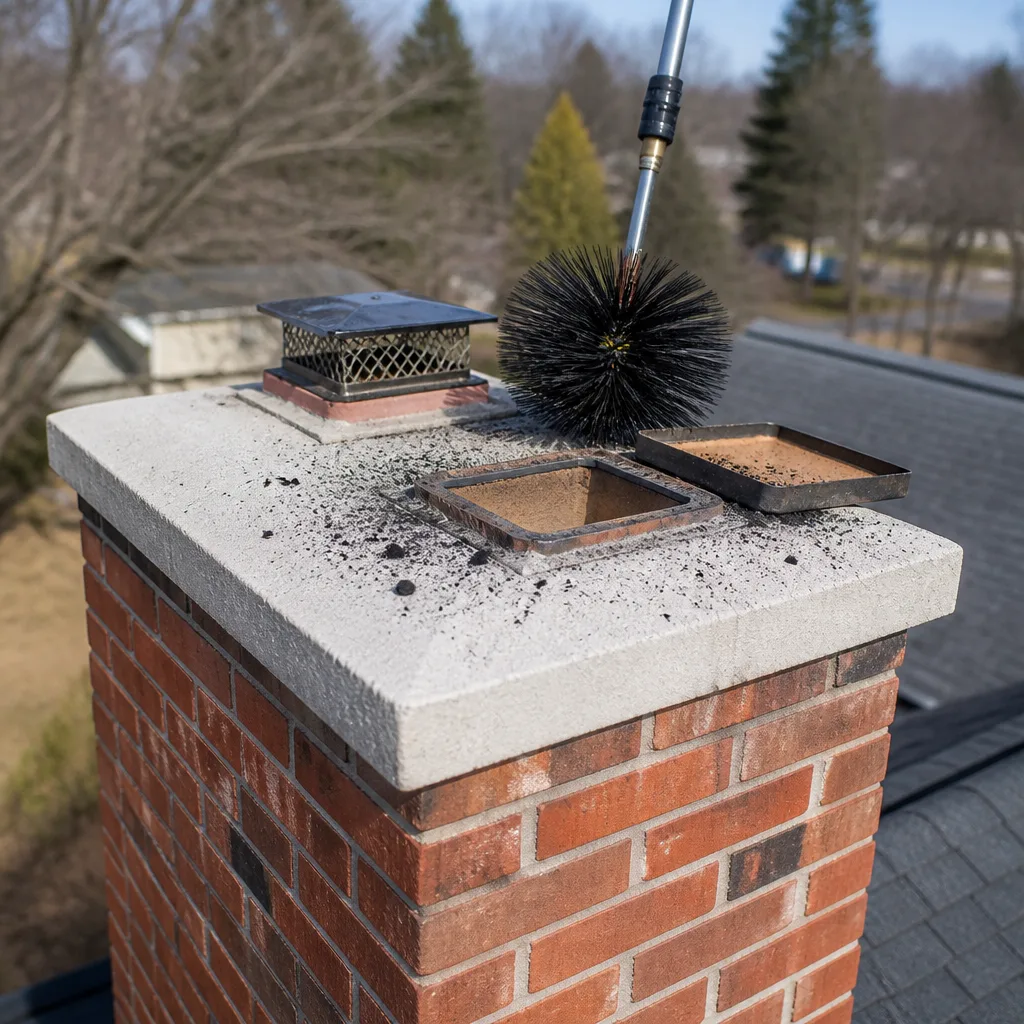
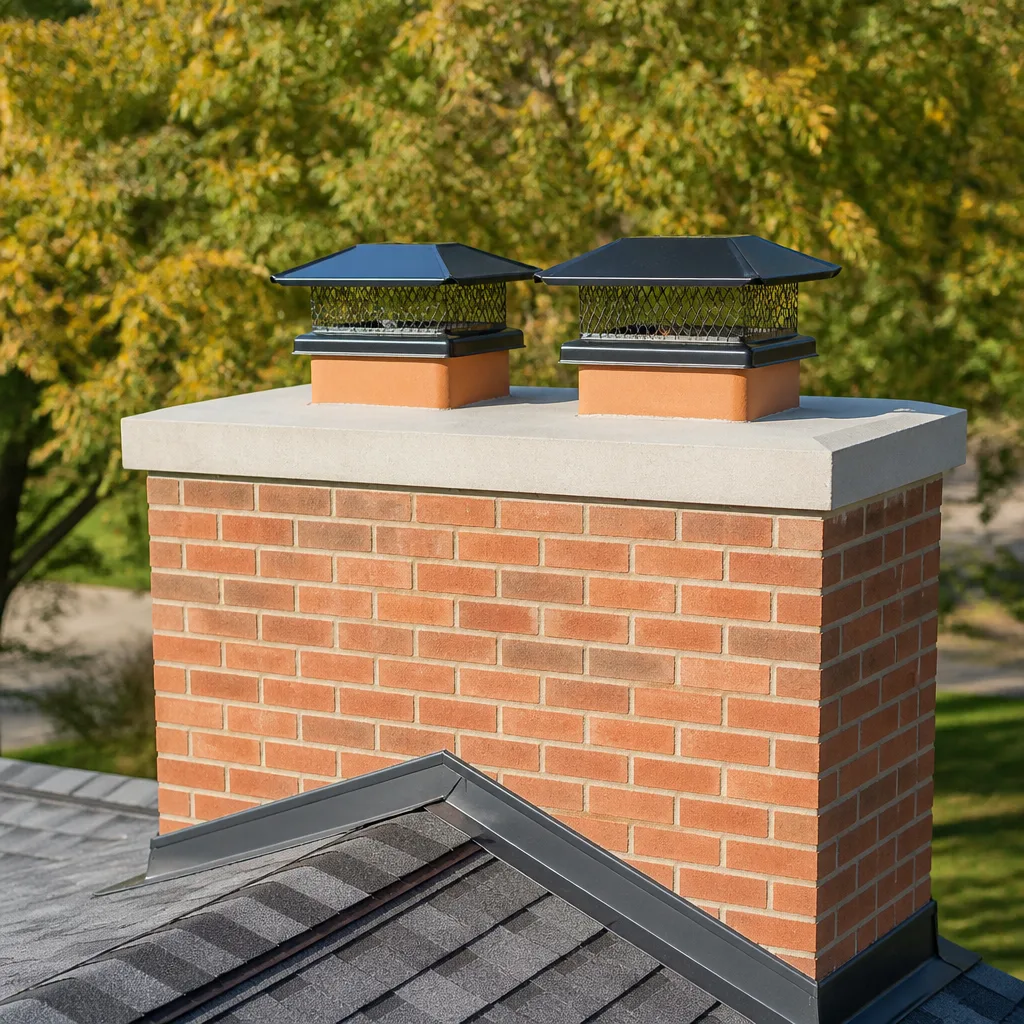
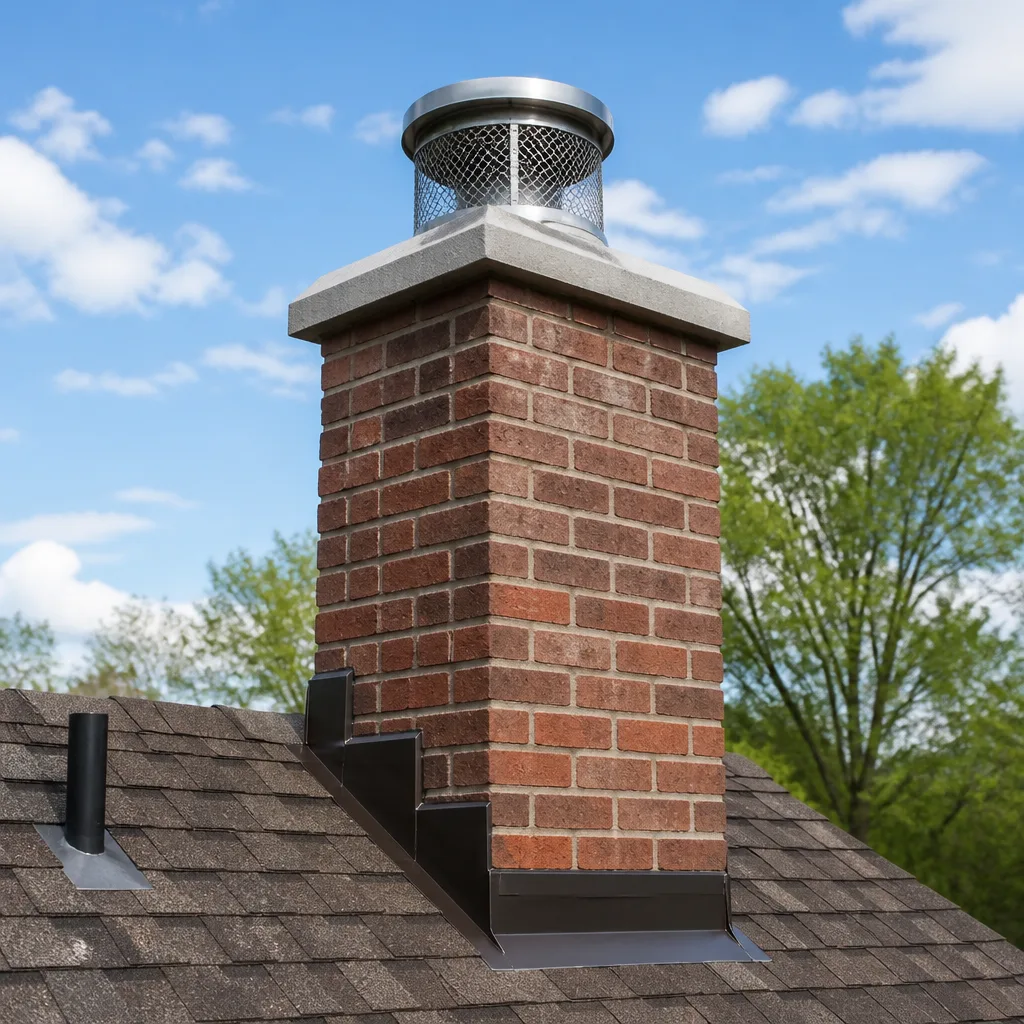
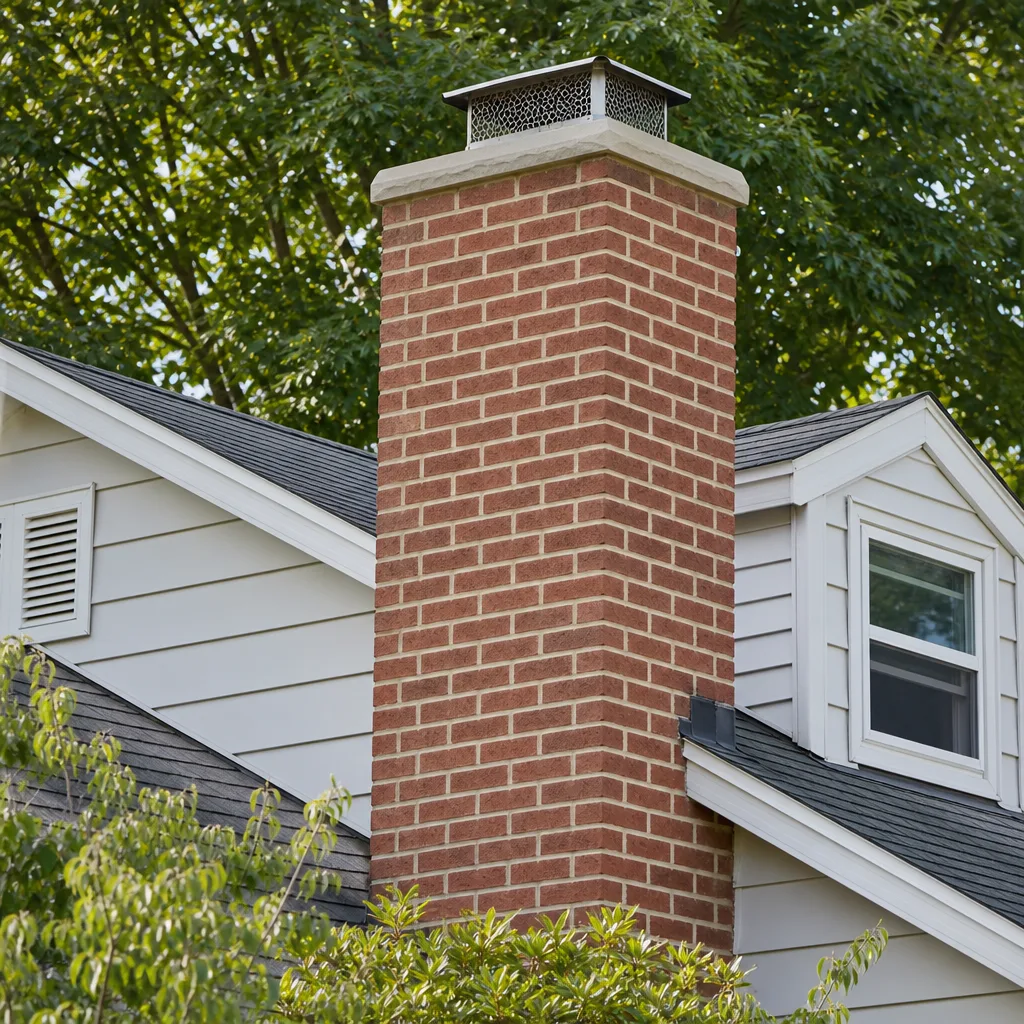
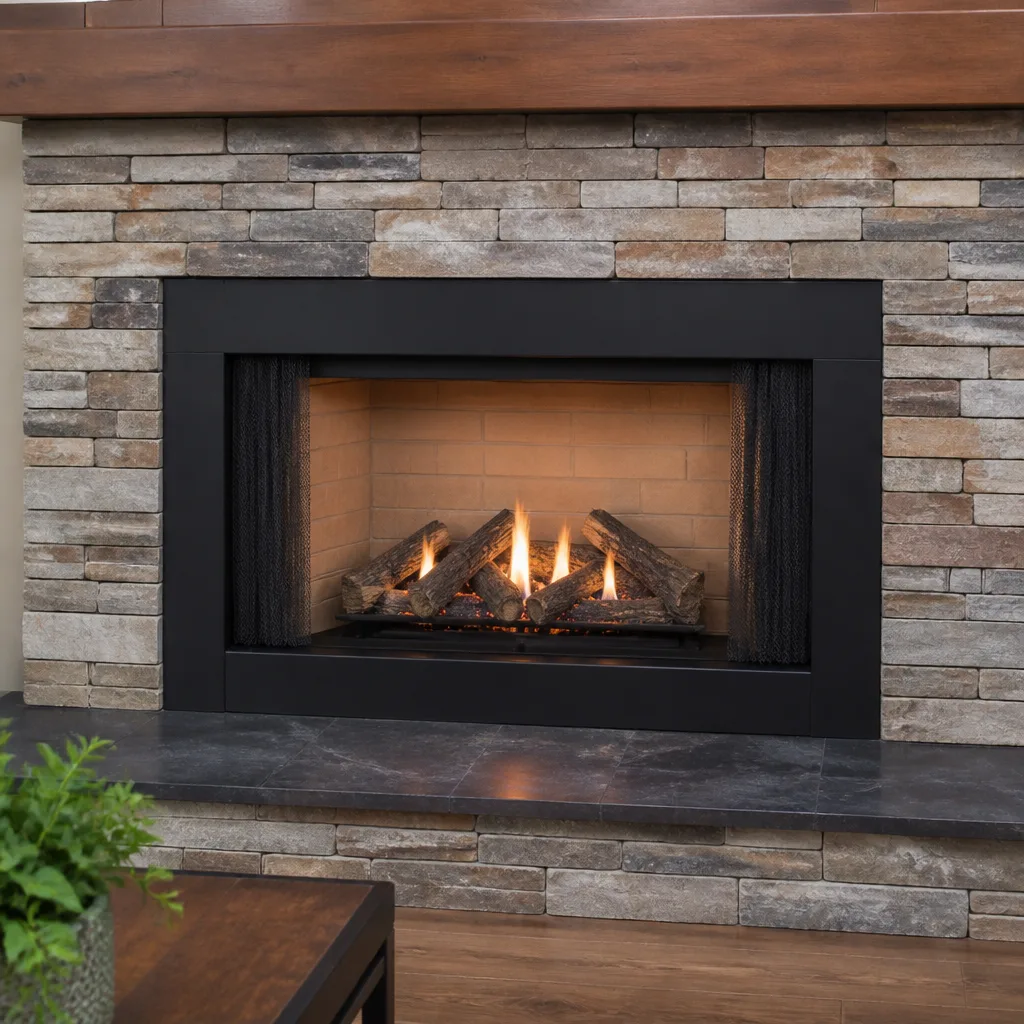
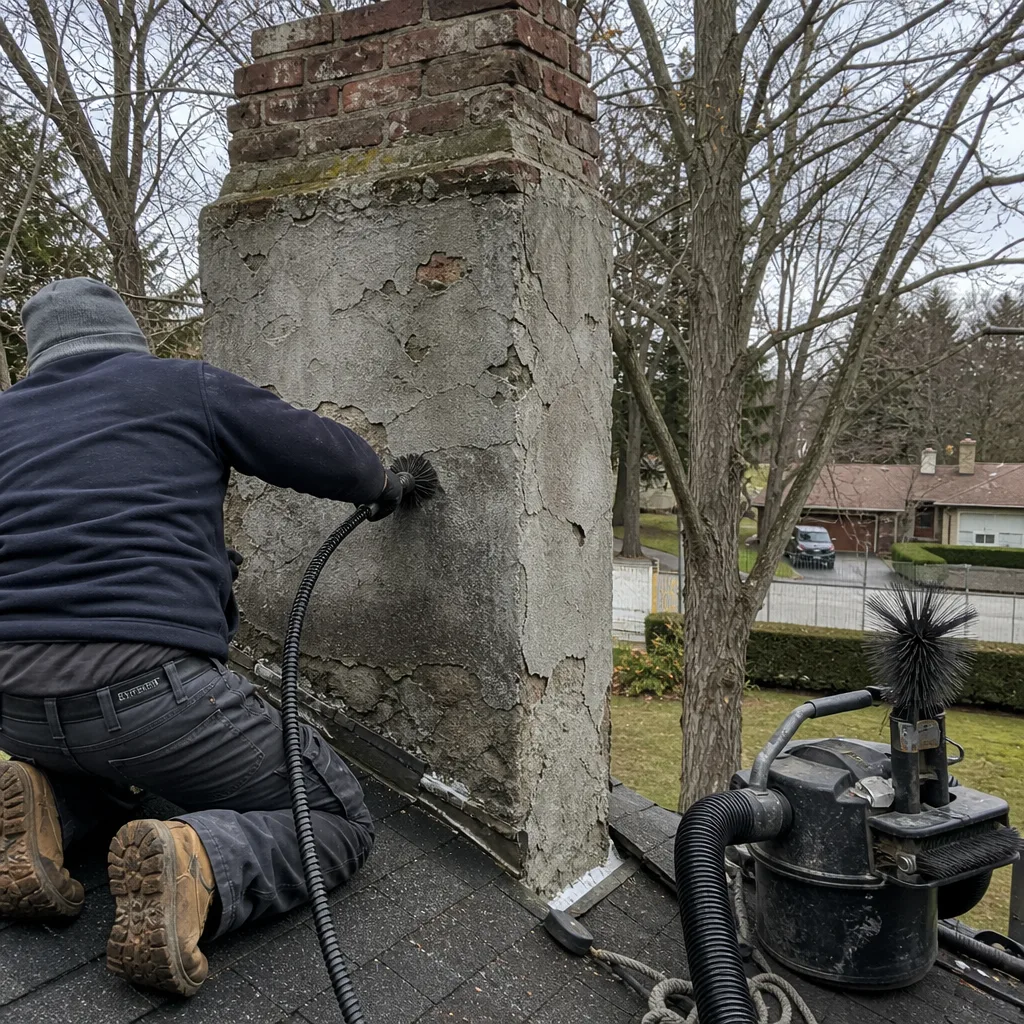 Before
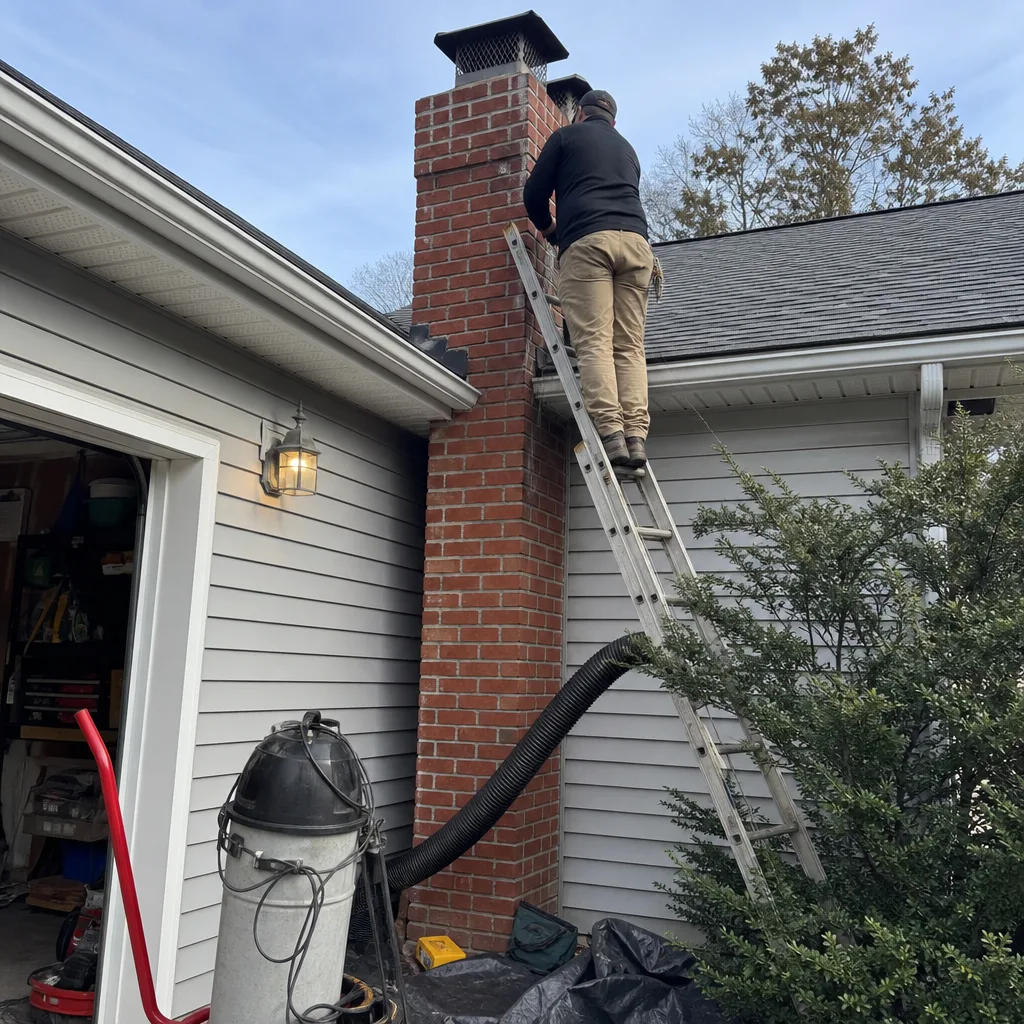 After
After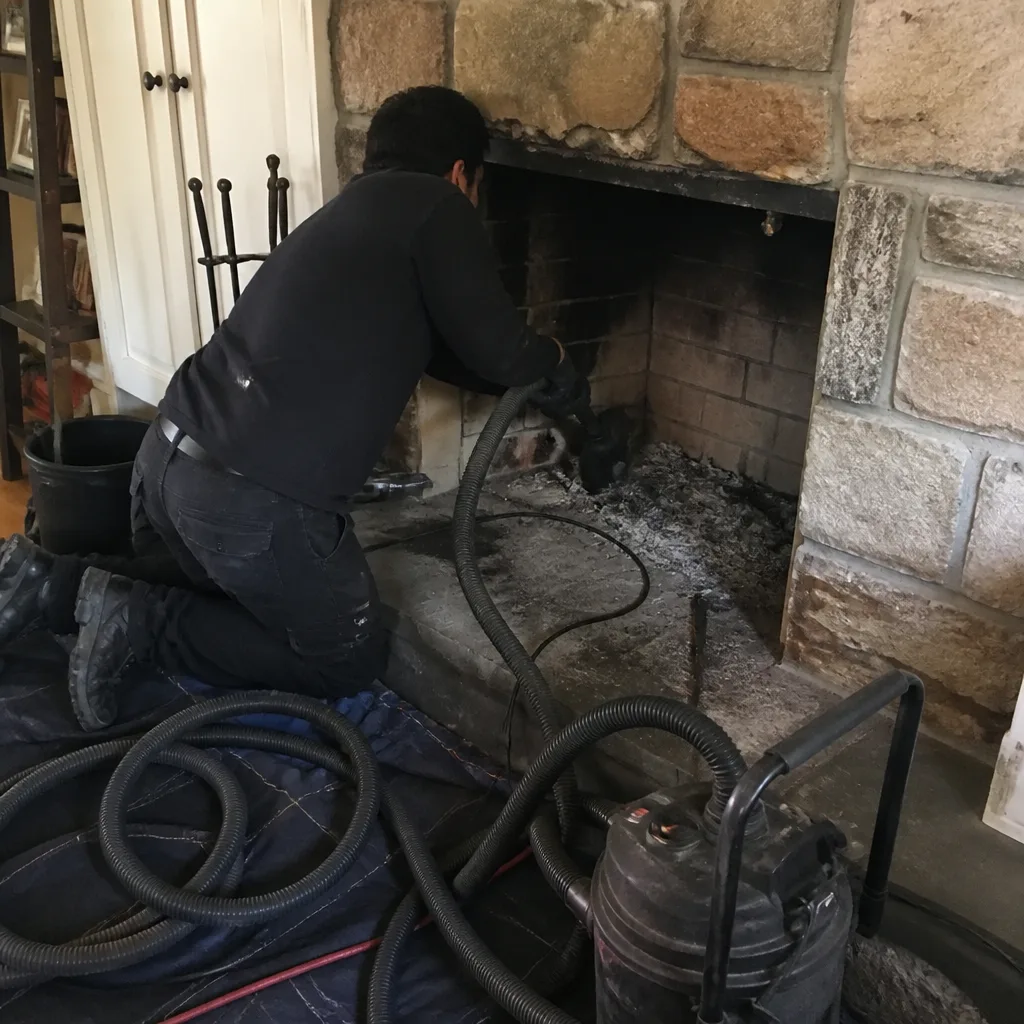 Before
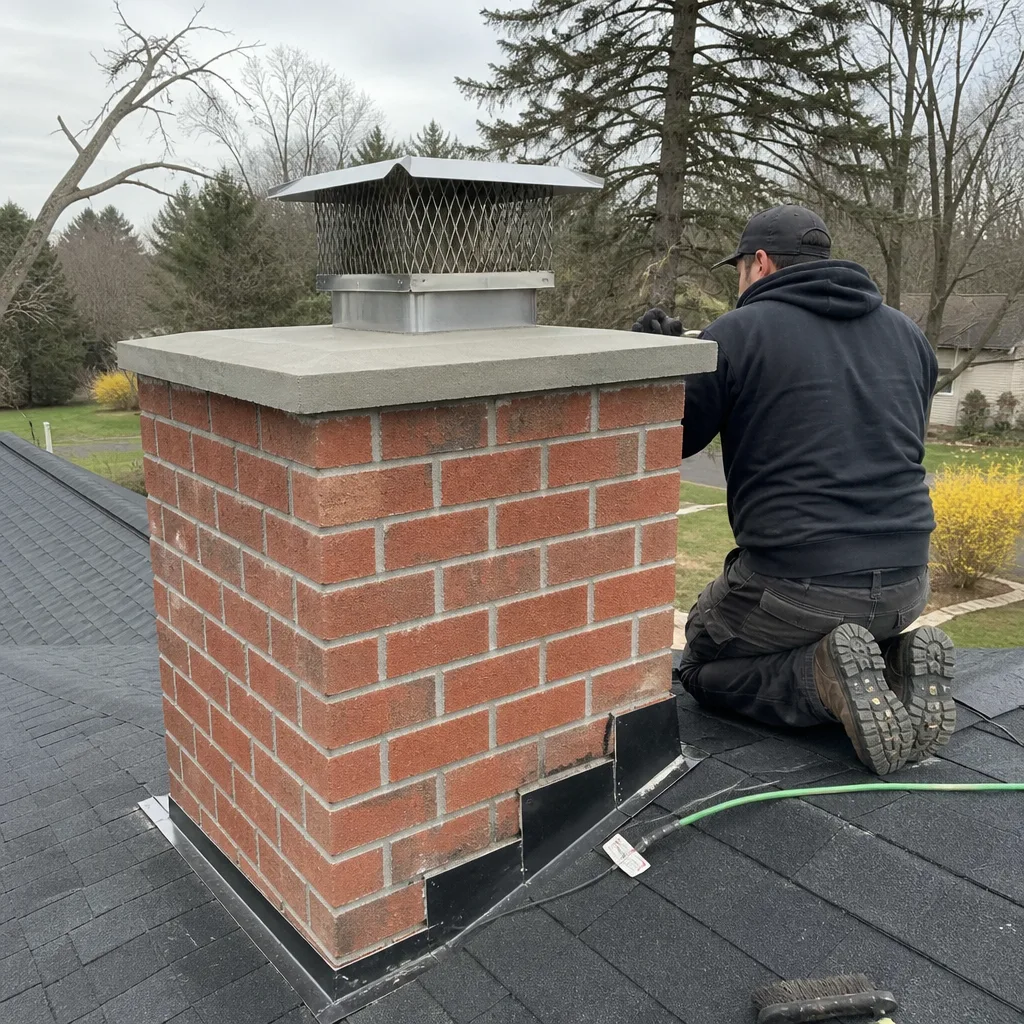 After
After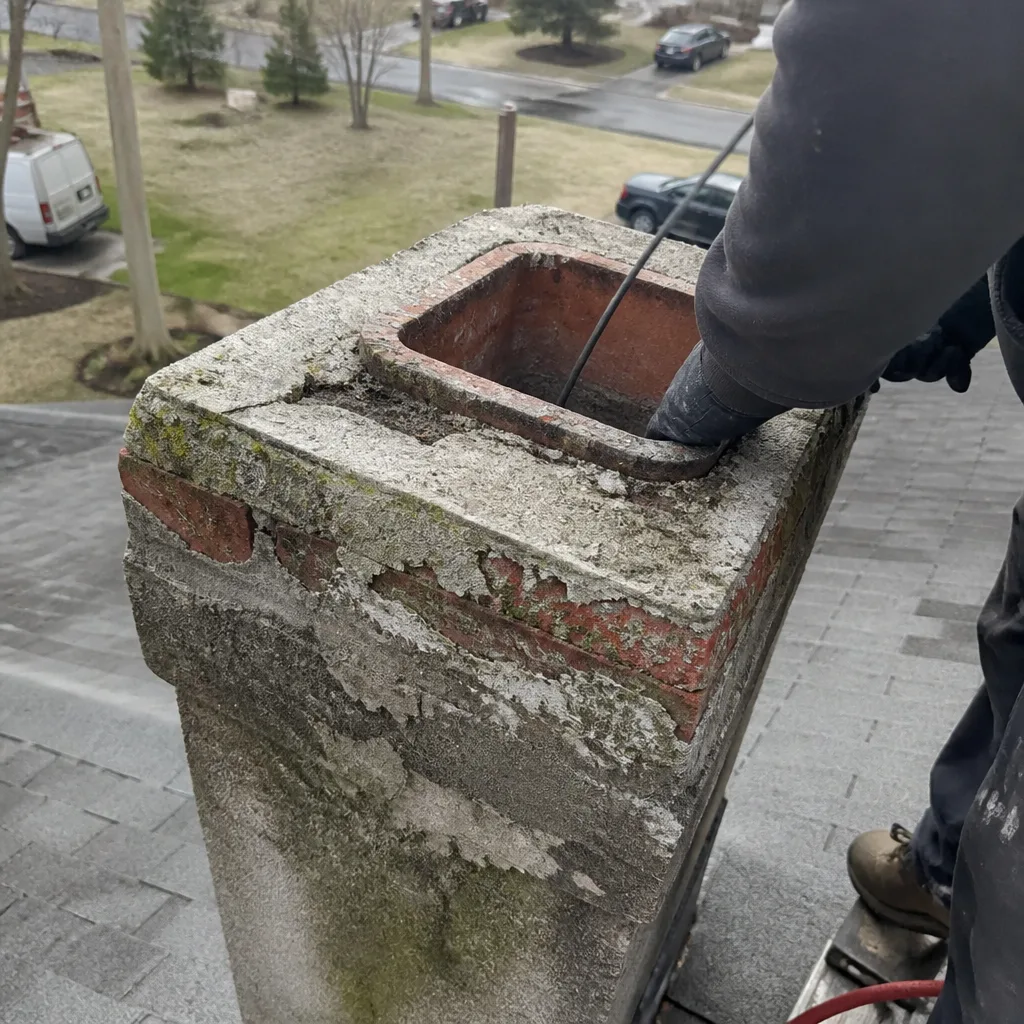 Before
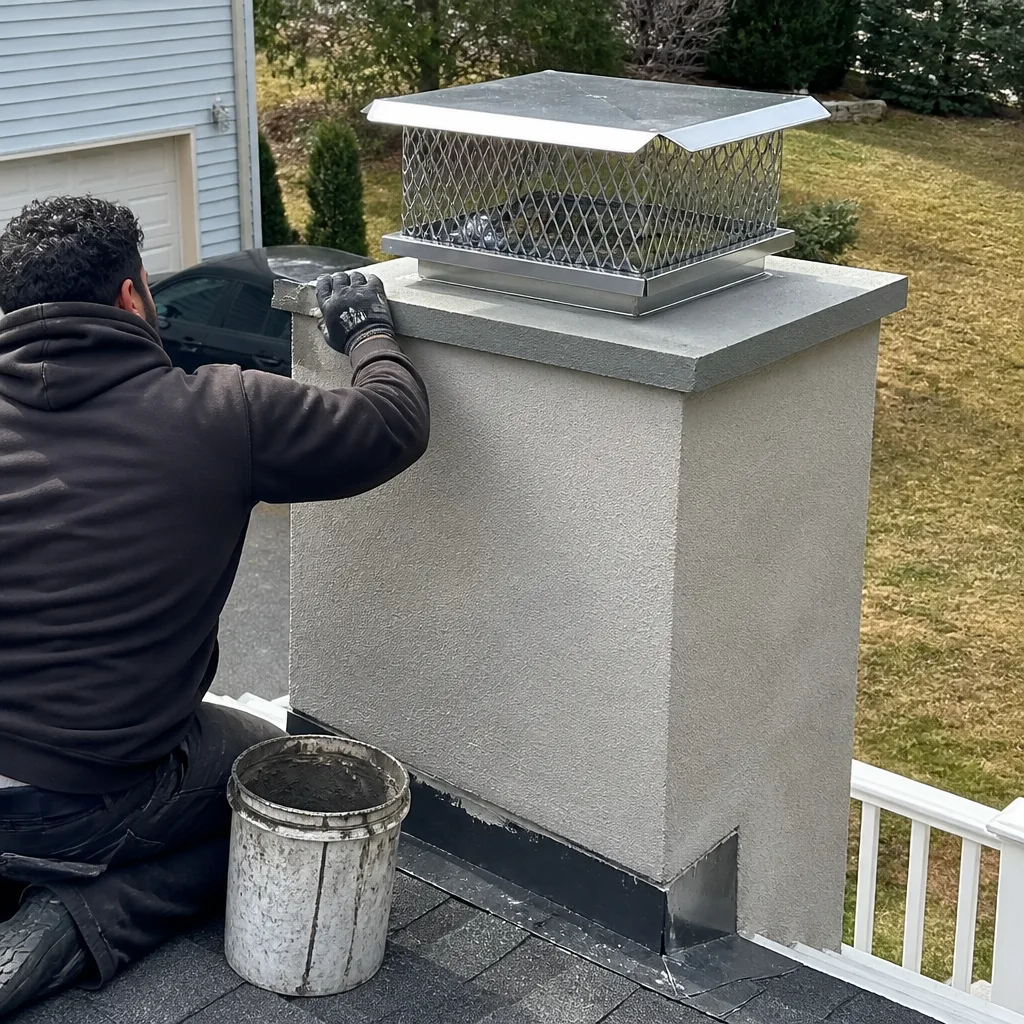 After
AfterSeasonal Chimney Cleaning Care for Dix Hills: Year-Round Homeowner’s Guide
Most sweeps will tell you to clean in the fall. That’s not wrong, but it’s also the one piece of advice that leads Dix Hills homeowners to ignore their chimney for the other eleven months, which is when a lot of the real damage happens. The Long Island calendar creates four distinct windows where your chimney either needs attention or gives you information. Annual cleaning, whenever it happens, only covers one of them. This guide maps out what to do and watch for in each season specific to Dix Hills conditions, from freeze-thaw spalling in March to salt-air masonry wear in August, and points you to more guides & resources for year-round chimney care.
Quick Answer
Seasonal chimney care in Dix Hills means four things: inspect for winter damage each spring, check the cap and flashing before summer humidity sets in, schedule your sweep in early fall rather than late fall, and watch for mid-winter warning signs like smoke backing into the room or a campfire smell when the fireplace is cold. An annual sweep is the baseline, but the chimney talks to you all year if you know what to look for.
Table of Contents
- Spring: Reading the Damage Winter Left Behind
- Summer: The Season of Silent Moisture
- Fall: Timing Your Sweep by How You Actually Burn
- Winter: Mid-Season Warning Signs and When to Stop Burning
- Salt Air, Freeze-Thaw, and Why Dix Hills Chimneys Age Differently
- What Seasonal Chimney Care Costs in Dix Hills
- Common Mistakes to Avoid
- When to Call a Professional
- Frequently Asked Questions
- The Bottom Line
Spring: Reading the Damage Winter Left Behind
By the time March rolls around in Dix Hills, your chimney has spent months absorbing the worst combination Long Island can throw at it: freeze-thaw cycles, wet snow, and wind-driven rain off the Sound. The damage doesn’t announce itself. It hides in hairline cracks and loosened mortar joints. Spring is when you find it, before one more season lets water in.
Here’s what to look for, from the ground and from inside the house.
- Check the crown. The concrete slab on top of your chimney takes the brunt of every freeze-thaw cycle. Here’s what happens: water seeps into tiny cracks, freezes, expands, and widens those cracks a little more each winter. After enough cycles, the crown starts spalling, which is mason-speak for flaking and crumbling. From the ground, look for white staining or small concrete chips near the base of the chimney cap.
- Look at the cap and screen. If your cap is missing, tilted, or has torn screen mesh, spring is the time to know it. An uncapped flue in April means rain falls directly into your firebox all spring and summer. We’ve pulled bird nests, squirrel nests, and once a fully intact tennis ball out of uncapped flues in Dix Hills. None of those end well.
- Inspect the flashing. That’s the metal where your chimney meets the roofline. Winter ice dams and spring thaw pull at it. If you see rust stains, lifted edges, or missing sealant, water is getting underneath. Roof leaks around chimneys are almost never roof problems. They’re flashing problems.
- Look inside the firebox. If you see white stains (efflorescence) on the brick inside your fireplace, water has already made its way down. That’s not a spring cleaning issue. That’s a repair-your-chimney-before-it-worsens issue.
- Note any new odors. A musty or acrid smell when the fireplace is not in use after winter is a sign of moisture sitting inside. Your chimney should not smell like anything, period.
Spring is also the right time to check the brickwork on the face of the chimney. Spalled bricks, which are face-flaked or cracked, mean water has been expanding inside the masonry. One spalled brick left alone leads to neighbors spalling, and suddenly you’re looking at a rebuild instead of a repointing job. If you find damage in spring, addressing it before summer humidity separates the chimney repair in Dix Hills we can fix with a tuckpoint from the ones that need full reconstruction.
After a Suffolk County winter, the water that got in is still doing damage even when the snow has melted. Sealing things up in April or May gives the masonry a dry season to settle, which is when repairs hold best.
Summer: The Season of Silent Moisture
Here is something that surprises a lot of Dix Hills homeowners: your chimney takes more water damage in July than it takes creosote damage in January. Creosote is slow. Water is relentless. Summer in Long Island means high humidity, heavy thunderstorms, and a flue that nobody is using, which means nobody is looking at it either.
An uncapped or damaged chimney in the summer is a moisture funnel. Rain falls straight down the flue. Humidity condenses on the cool interior walls. The damper, if left closed, traps that moisture inside the firebox where it sits for weeks, soaking into the refractory panels and the masonry behind them. And that’s just a standard Dix Hills summer with an uncapped flue.
The less obvious problem is what humidity does to an already-weakened crown and the mortar joints. Water vapor works its way into micro-cracks. When fall arrives and the first cold snap hits, that trapped moisture freezes and expands, and cracks that were invisible in August are suddenly structural in November. Summer is when water gets in. Winter is when it breaks things. The damage gets blamed on winter, but it was planted in July.
Do a mid-summer check from the ground. Look for:
- Dark streaks running down the exterior brick, which is water staining, not just age
- Green or black growth on the chimney face, which means consistent moisture and poor drainage
- Rust on the cap or damper visible from the firebox
- Any new cracks in the crown you can see from a ladder at gutter level
If the cap is missing or damaged, replacing it in the summer is the single best thing you can do for the life of the chimney. The math is simple: a proper cap costs a few hundred dollars. A water-damaged flue liner costs thousands. We install Copperfield caps on most homes in the area precisely because they’re built for coastal conditions, and this applies to the chimney sweep and the cap work on your house alike. For a full rundown of seasonal tasks, see our Chimney Cleaning & Sweep Maintenance Checklist for Dix Hills Homeowners.
Also: run your chimney cleaning in Dix Hills on your own calendar, but don’t book it for August. Here’s why. In late summer, the flue is warm and humid. Creosote is sticky. A sweep in August leaves residue that re-accumulates before you ever light a fire. Wait until September or October when the flue has cooled and dried, and the sweep gets more of it out.
Fall: Timing Your Sweep by How You Actually Burn
Everyone says clean your chimney in the fall, and that’s broadly right, but “fall” in Dix Hills runs from September through November, and when you schedule inside that window matters more than most homeowners realize. The right timing depends on one thing: how you actually burn.
Here’s the rule of thumb we give homeowners who call us for a fireplace service in Dix Hills:
- The occasional burner: Let’s say you light 10 to 20 fires a year, mostly holidays and weekend evenings. Your creosote builds slowly. Cleaning your chimney in September or October still leaves you with a clean flue for the whole season. A September sweep is actually ideal for you because it beats the mid-October rush, and you’re not accumulating meaningful deposits between September and December anyway.
- The heavy burner: If you burn three or more times a week from Thanksgiving through March, or if you use your fireplace as supplemental heat, you need a later sweep. Cleaning in early September leaves four months of burn time before winter’s peak. By February, a heavy burner’s flue has real creosote again. For you, an October sweep, or even an early November date, is the right call. It gets the prior season’s buildup out right before the heavy burn begins.
- The wood stove user: Wood stoves burn hotter and cleaner, but they also run longer and more often. Schedule your sweep in October and plan on a mid-season inspection in January if you burn daily. Stove flues can build glazed creosote quickly, and once it’s glaze, a brush is not enough.
There’s a second reason timing matters: the off-season condition of the chimney. If you did not inspect in spring and did not check in summer, the fall sweep is the first time a professional lays eyes on the system all year. That’s not ideal. What we often find during fall sweeps in Dix Hills is last winter’s freeze damage, discovered when the nights are already turning cold-one reason to understand Chimney Cleaning Permits, Codes & Inspections in NY: What You Need to Know before you schedule. If that damage requires repair, you’re now competing for scheduling at the busiest time of year. Getting your sweep done in September or early October gives you time to address repairs before you actually want to burn.
One more thing: never wait until after the first fire. The first cold snap in Dix Hills usually arrives in mid-to-late October, and every chimney company in Suffolk County gets slammed at the same moment. Book your sweep in September, even if the appointment itself is for October. You will be on the schedule, and you won’t be calling in a panic when the temperature drops.
Winter: Mid-Season Warning Signs and When to Stop Burning
Winter is when the chimney is working hardest, and it will tell you when something is wrong. You just have to listen. Your flue doesn’t care how the fire looks. It cares how it breathes.
Here are the warning signs that mean you should pay attention right now:
- Smoke backing into the room. This is not subtle. If you light a fire and smoke enters the living space instead of going up the flue, something is obstructing or pressurizing wrong. It could be a cold flue, a closed damper, or creosote buildup that has narrowed the passage. Try opening a window to correct pressure, but if smoke still backs up, stop using the fireplace until someone looks at it.
- A campfire smell when the fireplace is cold. This is a classic sign of creosote buildup. When the flue warms during a fire, the creosote off-gasses that smell even when no fire is burning. A damp, smoky odor in the room days after your last fire means the creosote layer is thick enough to be broadcasting its presence. That’s a cleaning call, not a maintenance thought.
- A dull roar from the flue during a fire. This is the sound of a chimney fire in progress. It is often described as sounding like a freight train or a low rumble, and it means the creosote inside the flue has ignited. Close the damper if you can safely do so and call the fire department. Then call a sweep before you burn again. A chimney fire can reach 2,000 degrees Fahrenheit and will crack flue tiles, warp dampers, and compromise the entire system.
- White staining that grows during the winter. If you see new efflorescence on exterior brick while the weather is freezing, water is actively moving through the masonry. That’s not a spring problem. That’s a structural problem that is getting worse every freeze-thaw cycle.
- Visible creosote in the firebox. If you can scrape a black, shiny, tar-like substance from the walls of your firebox with a poker, that’s third-degree creosote. First-degree creosote is a brush job. Third-degree is a glaze. Catch it early. This is not something to burn through; it will not resolve itself.
If you see any of these, the fireplace gets a rest until someone qualified looks at it. That’s not an upsell. That’s the difference between a cleaning bill and a chimney fire.
Salt Air, Freeze-Thaw, and Why Dix Hills Chimneys Age Differently
Dix Hills sits about 10 miles inland from the Long Island Sound, close enough that salt-laden air reaches the neighborhood on prevailing winds, far enough that many homeowners forget it’s a factor. It is a factor. Salt air accelerates masonry deterioration in ways you don’t see in, say, central Suffolk or upstate New York.
Here’s the mechanism: salt crystals carried by marine air settle on the chimney’s surface, and they’re hygroscopic, which means they attract and hold moisture. That moisture enters the pores of the brick and mortar, carrying the salt with it. When winter temperatures drop, the moisture freezes and expands. The salt makes the water more corrosive. The result is that a Dix Hills chimney facing north or exposed to wind off the Sound may spall, crack, and crumble years ahead of a chimney in a more sheltered inland location.
This changes what your seasonal checks need to address:
- In spring, look for flaking brick faces and widening mortar joints on the windward side of the chimney. That’s not normal aging; that’s salt-accelerated freeze-thaw damage, and it moves faster than standard weathering.
- In summer, look for white crystalline deposits (salt efflorescence) reappearing even after rain has washed the surface clean. Persistent salt staining means the masonry is absorbing marine moisture regularly.
- In fall, ask your sweep to check the condition of the mortar joints during the chimney sweep. Every Top Hat Chimney sweep includes a camera inspection and a plain-English verdict on what the flue is doing, and that includes noting masonry wear that has the fingerprints of coastal exposure.
We also see more rust on caps, dampers, and flashing in Dix Hills than we do in homes farther inland. The fix is not exotic. It’s a corrosion-resistant cap, properly sealed flashing, and a water repellent applied to the masonry that still allows vapor to escape. But you have to know the salt factor exists before you can plan for it.
What Seasonal Chimney Care Costs in Dix Hills
Here is the honest truth: a chimney sweep in Dix Hills costs between $180 and $340, depending on the condition of the flue, the type of fireplace or stove, and whether it’s a standard cleaning or a creosote removal that requires extra work. That is the range for this market, and it includes the version of the cleaning where someone actually looks at the chimney, not just runs a brush through it. For a detailed look at pricing factors, see our Chimney Cleaning Cost Breakdown: The Dix Hills Homeowner’s Reference for 2026.
Here’s how the annual cost breaks down by season, for a typical Dix Hills single-family home with a masonry fireplace:
- Annual sweep (fall): $180-$340. This is the baseline. Once a year, burn or no burn. Chimneys break in the off-season too.
- Chimney cap (summer, one-time if needed): $200-$500 installed, depending on the cap type and flue size. A Copperfield cap with a lifetime warranty runs at the upper end. This is the best value in chimney maintenance available.
- Crown repair or seal (spring or summer): $250-$800 depending on whether it’s a sealant application or full crown rebuild. Spring is the cheapest time to schedule this because crews are less busy.
- Flashing repair (spring or summer): $350-$900 depending on roof pitch and accessibility. This is roof leak prevention; it is not optional if the flashing has failed.
- Flue liner repair or replacement (any season, as needed): $1,200-$4,500. This is the highest-ticket item in chimney care, and it is the one you prevent with everything else on this list. We install and service DuraFlex and HeatShield liners for Dix Hills homes, and the free second opinion on any written estimate is available if you’re facing this repair.
Every estimate we write includes a fixed price before a single tool comes off the truck. The number you hear on the phone is the number on the invoice. That matters in an industry where the national chains are known for quoting one number and showing up with another.
If the annual sweep finds that you do not need a liner, you’ll hear that from us. Nothing is recommended without camera evidence you can see for yourself, and we will say plainly when work can safely wait.
Call (631) 318-8656 for an exact quote. Estimates are free.
Common Mistakes to Avoid
- Cleaning only when the chimney is dirty enough to notice. By the time creosote is visible in the firebox, the flue may already be glazed. Once a year, on a schedule, regardless of how much you burned. It’s cheaper than the alternative.
- Leaving the damper open all winter. An open damper with no fire is a hole in your house. You’re losing heated air, pulling in cold air, and giving moisture a path into the firebox. Close it when the fire is completely out and the ashes are cold.
- Leaving the damper closed all summer. This is the one that causes the musty smell. A closed damper with no cap traps humidity inside the chimney. If you have an uncapped or damaged flue, leave the damper cracked during humid months until the cap is fixed.
- Burning unseasoned wood. Fresh-cut wood has high moisture content, burns cooler, and produces more creosote per cord than seasoned wood. In Dix Hills, with our humid summers, wood needs 12 to 18 months of covered, open-sided seasoning to burn right. “Seasoned” from the guy selling it doesn’t always mean it is.
- Ignoring a missing cap because it’s not fire season. The cap has nothing to do with fire season. It has everything to do with water. A missing cap in July is costing you money every time it rains, even if you don’t see it.
- Painting over efflorescence. White staining on brick is water moving through masonry. Painting over it hides the symptom and traps the moisture. The problem is the water, not the stain.
- Assuming a chimney is masonry all the way down. Many Dix Hills homes built in the last 40 years have prefabricated chimneys with metal flue liners and artificial stone facades. These systems age differently and often have lifespan limits. Your neighbor’s repair schedule is not yours.
When to Call a Professional
Call a professional when you see smoke backing into the room, smell creosote when the fireplace is cold, find water stains that are getting worse, or hear that freight-train sound during a fire. Call when you haven’t had the chimney swept in over a year and you’re planning to burn this season. Call when a home inspection flagged the chimney before you bought the house and you want a second opinion on whether that repair is actually necessary. Call when you want to know if your chimney can safely wait another year, and you want that answer from someone whose name is on the door, not from a call center. Top Hat Chimney offers free estimates in Dix Hills, and the camera footage and a plain-English verdict come with every job, no exceptions. Call (631) 318-8656.
Frequently Asked Questions
Once a year, regardless of how much you burn. If you burn more than three times a week during winter, schedule a mid-season inspection too. The annual sweep is your baseline; the mid-season check is your insurance if you’re a heavy burner.
September or October for most Dix Hills homes. Light burners should aim for September, before the fall rush. Heavy burners should schedule in October so the flue is clean heading into peak burn season. Either way, book the appointment in September so you have a slot.
Yes. A cap costs a few hundred dollars and prevents water damage, animal entry, and downdrafts. An uncapped flue in a Dix Hills summer is the most common cause of the musty smell homeowners call us about. This is not an optional accessory.
In a mild year, maybe nothing you can see. But creosote builds and dries, and a dry creosote layer of even an eighth of an inch is enough to sustain a chimney fire. Skipping a year also means skipping the inspection, which is when we catch early crown cracks, cap damage, and flashing failures that are cheap to fix and expensive to ignore. Call (631) 318-8656 and we’ll work your chimney into the schedule.
Yes. Salt crystals attract and hold moisture, and that moisture freezes and expands in winter. This accelerates spalling and mortar deterioration on windward-facing chimneys in Dix Hills more than you’d see inland. Seasonal inspections should specifically look for salt-induced cracking and efflorescence.
You’ll know from camera footage of the inside of the flue, which is the only way to see liner condition. Cracks, gaps, and separated tiles are the signs. If a liner is damaged, it’s a repair, not a cleaning. We install and service DuraFlex and HeatShield liners, and we’ll show you the video before we tell you anything needs replacing. Call (631) 318-8656 and we’ll get a camera down your flue.
The Bottom Line
Your chimney works year-round in Dix Hills, even when there’s no fire. Spring tells you what winter broke. Summer tells you where moisture is getting in. Fall is when you clean and confirm the system is sound before you burn. Winter is when you listen for warning signs and stop burning when the chimney tells you to. One annual sweep is the minimum, not the whole plan. The cap, the crown, the flashing, the liner, and the masonry all need eyes on them once a year, and the seasonal rhythm is how you stay ahead of repairs instead of behind them. Ask anyone on your street. The homes with chimney problems almost always have one thing in common: they waited until something broke.
If you want a straight answer about your chimney, Top Hat Chimney home has been serving Dix Hills and the surrounding communities since 1999. Wendell Pike answers the phone, Wendell Pike shows up, and the 90-Day Done Right Promise is in writing on every job. Call (631) 318-8656 for a free estimate. The number you hear is the number you’ll pay. No trip charge inside the county, and seniors and veterans save 10% every day, not just when there’s a sale.
Written by Wendell Pike, Owner at Top Hat Chimney, serving Dix Hills since 1999.