
Last updated September 10, 2026
Level 1 sweep and inspection to the NFPA 211 annual standard - flue, crown, cap, and flashing checked and photographed
Chimney sweep logs do not sweep chimneys. They loosen some creosote - which then falls where a brush and vacuum still have to collect it.
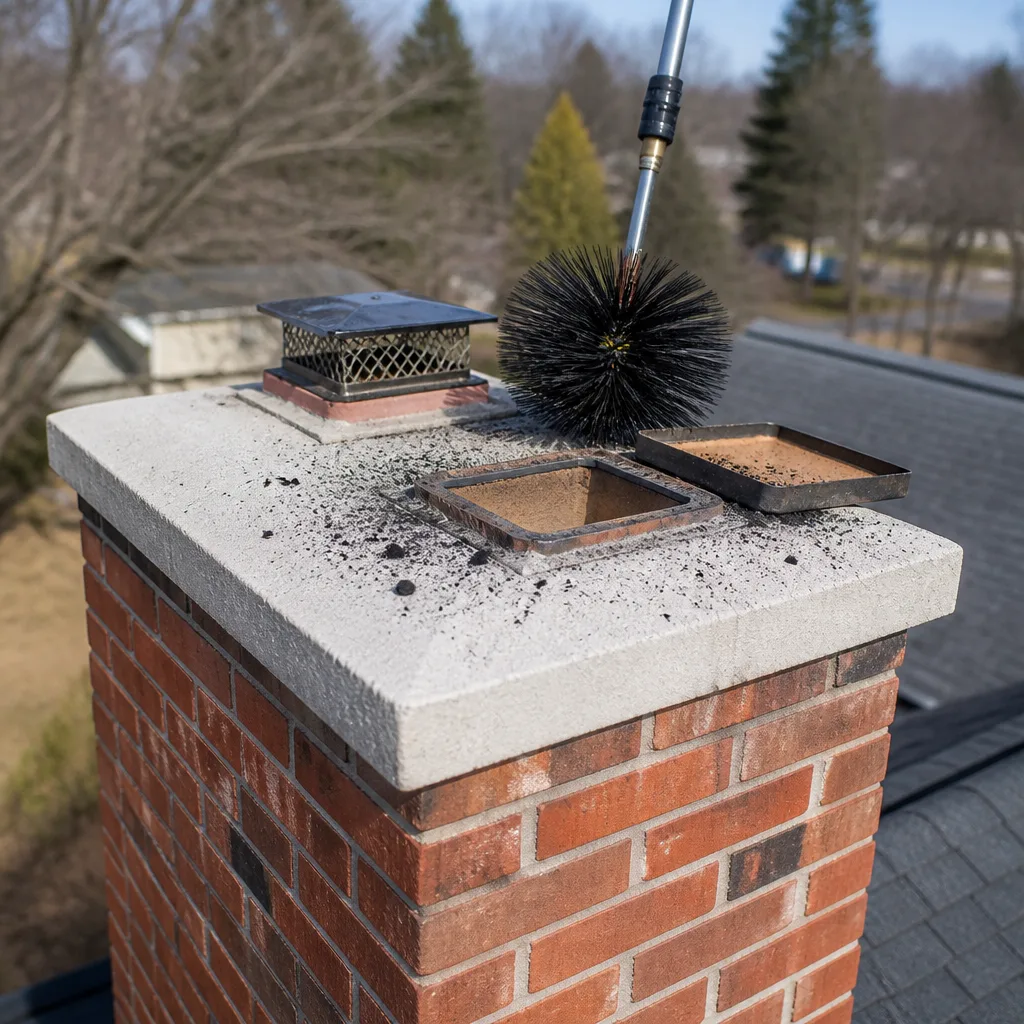
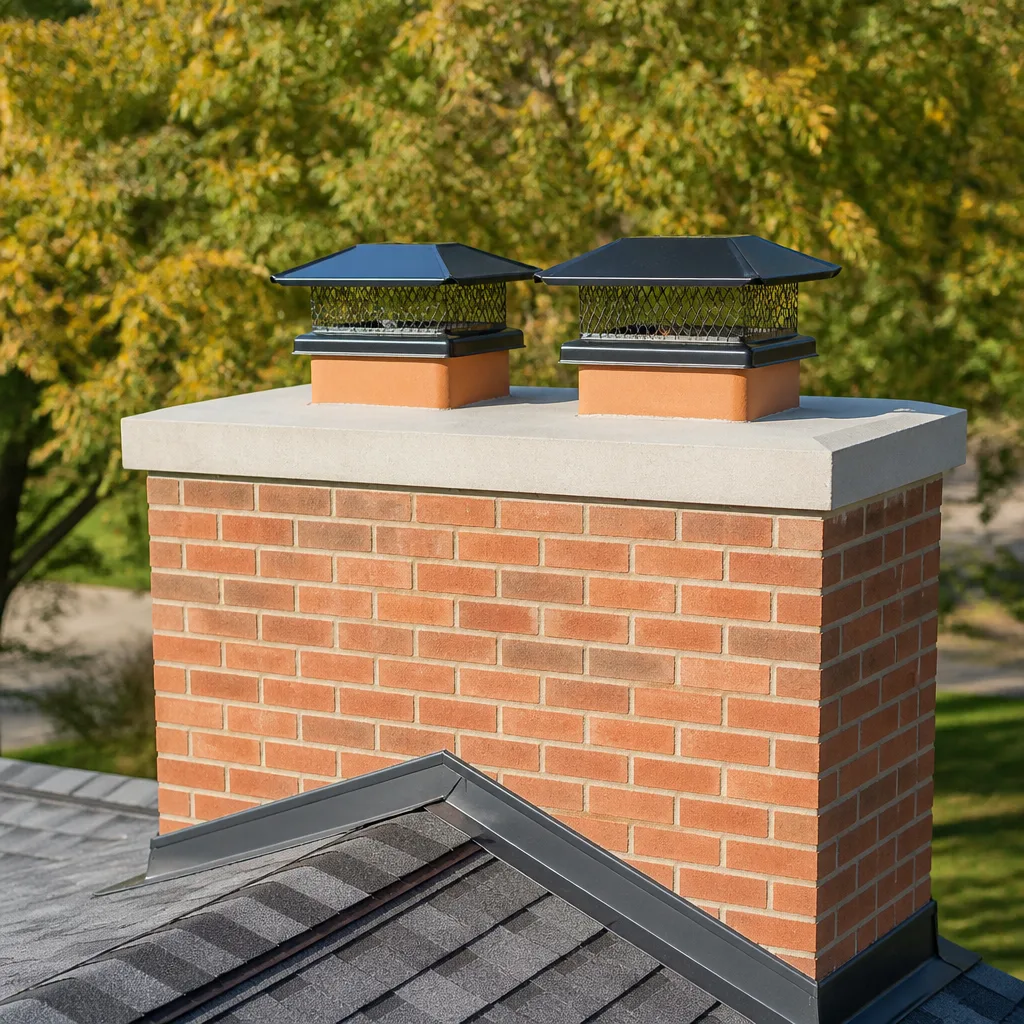
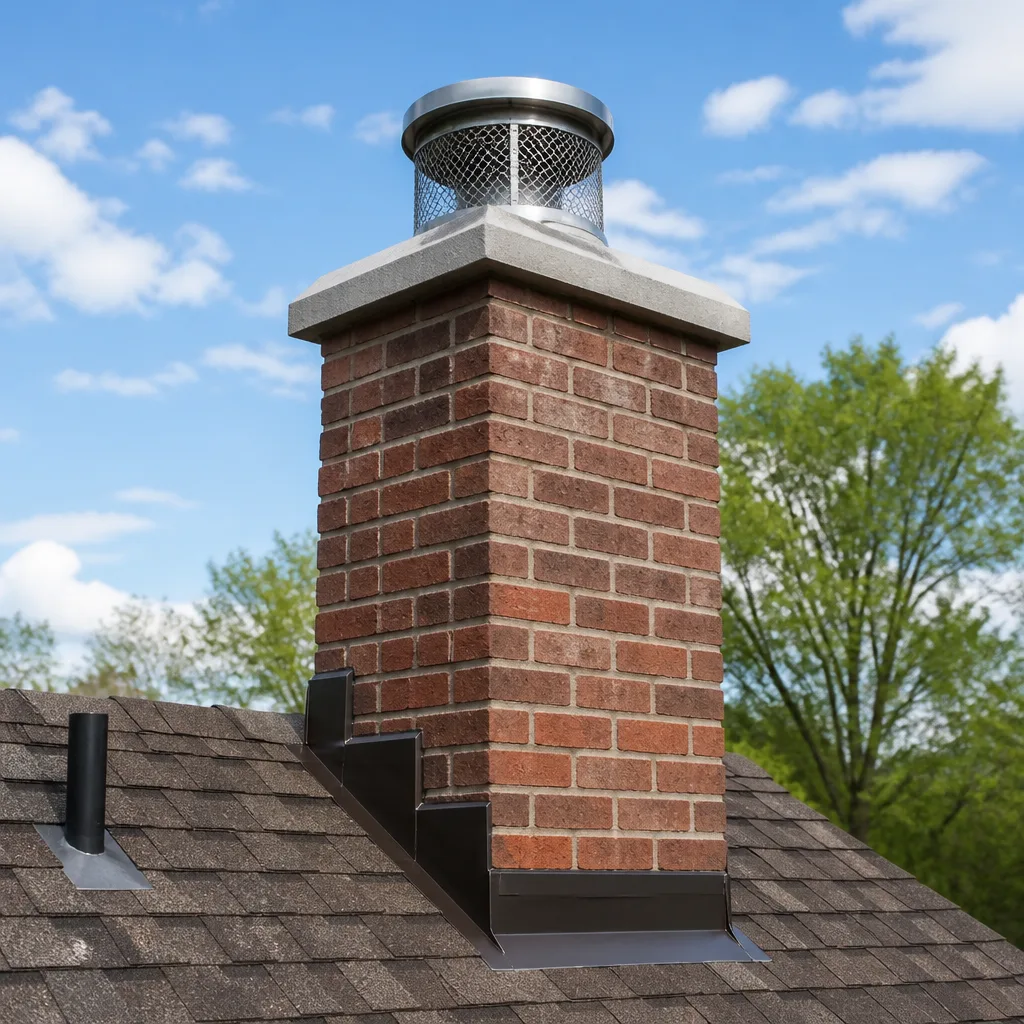
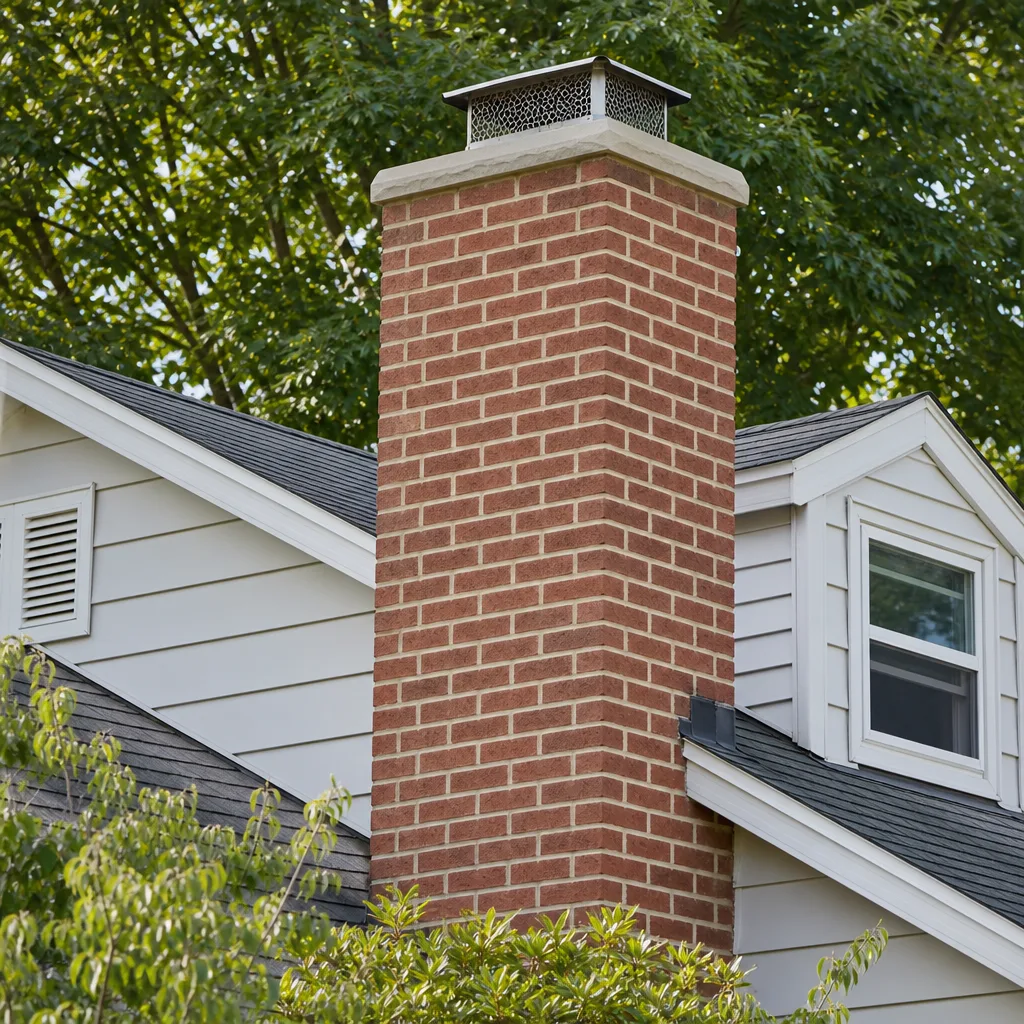
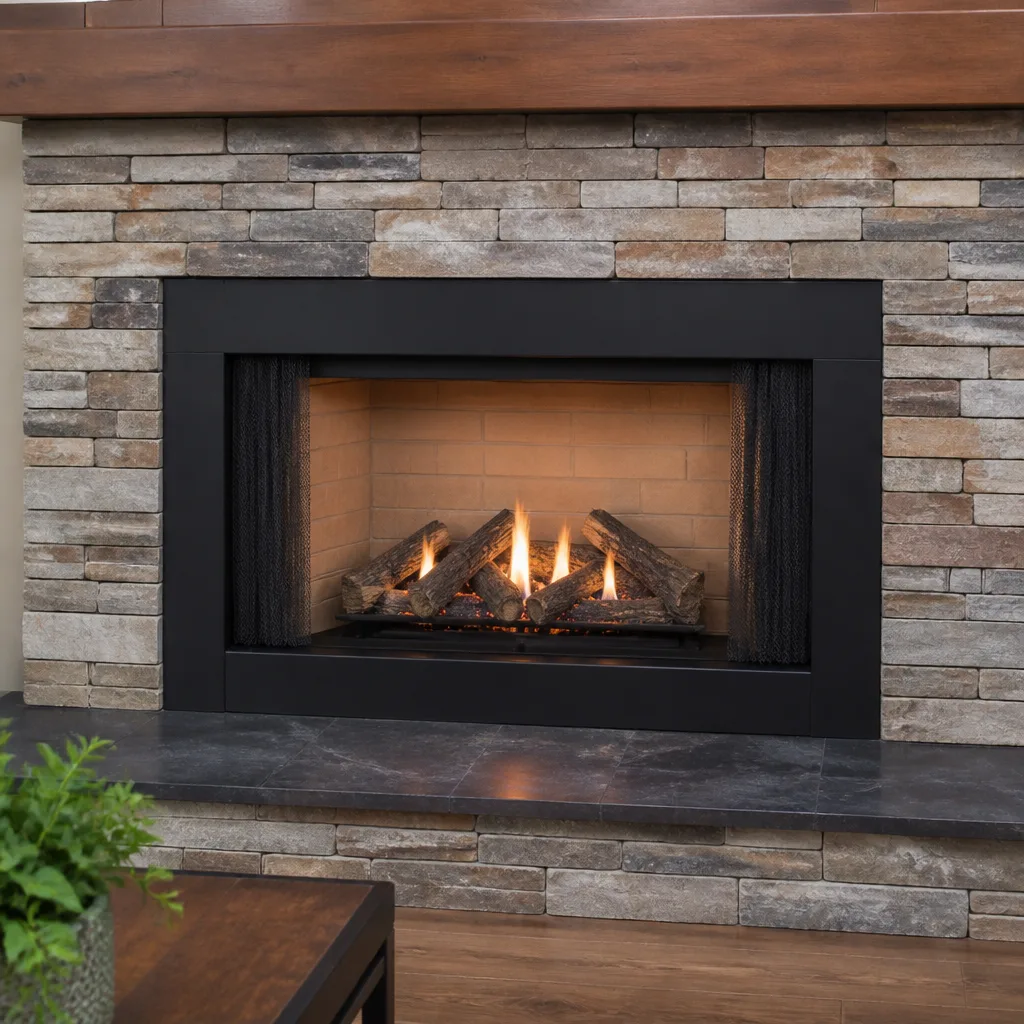
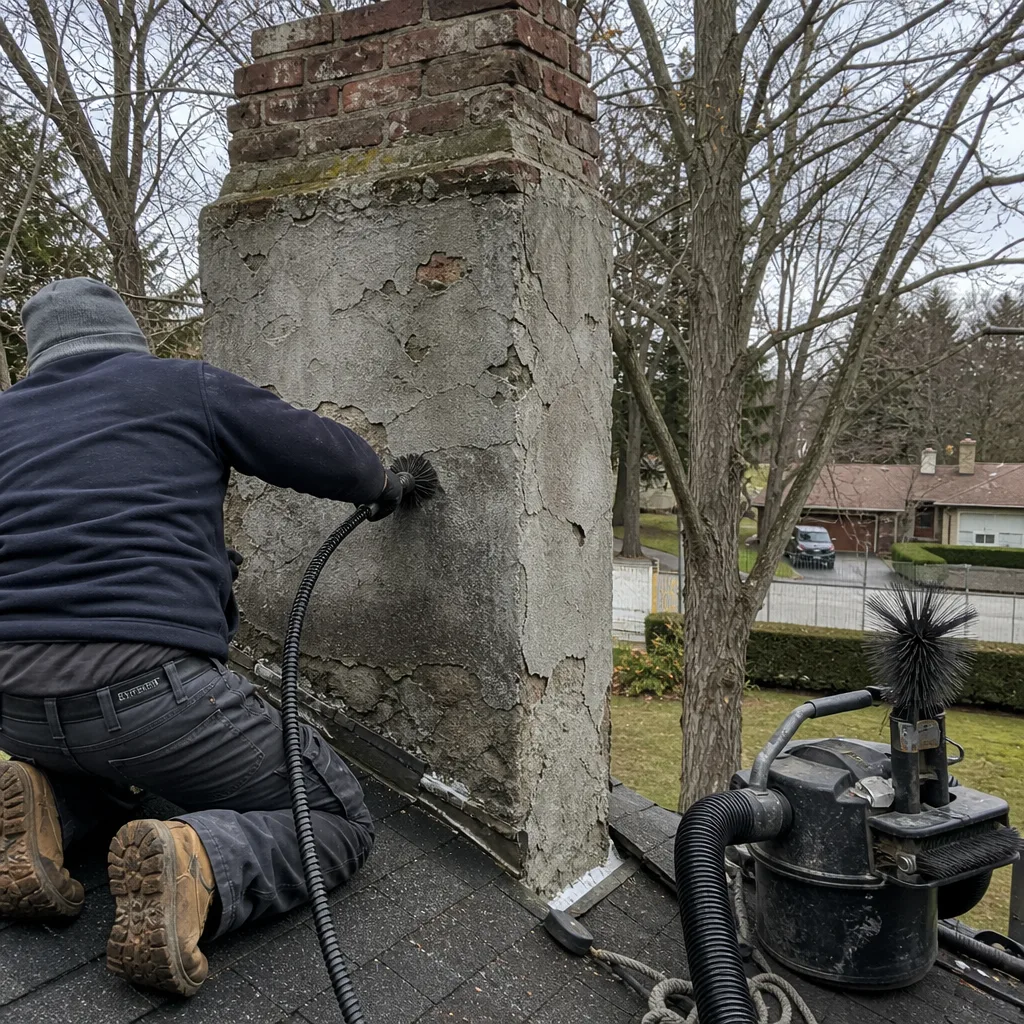 Before
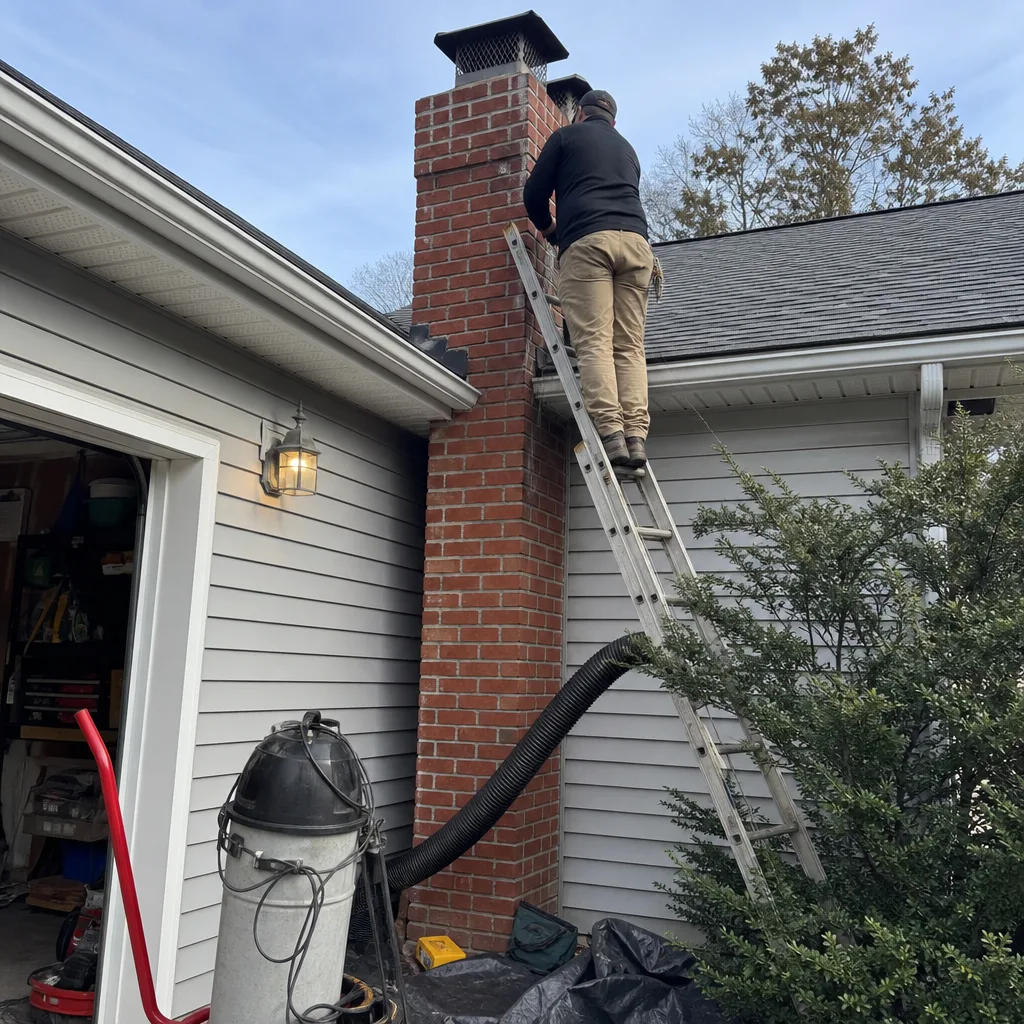 After
After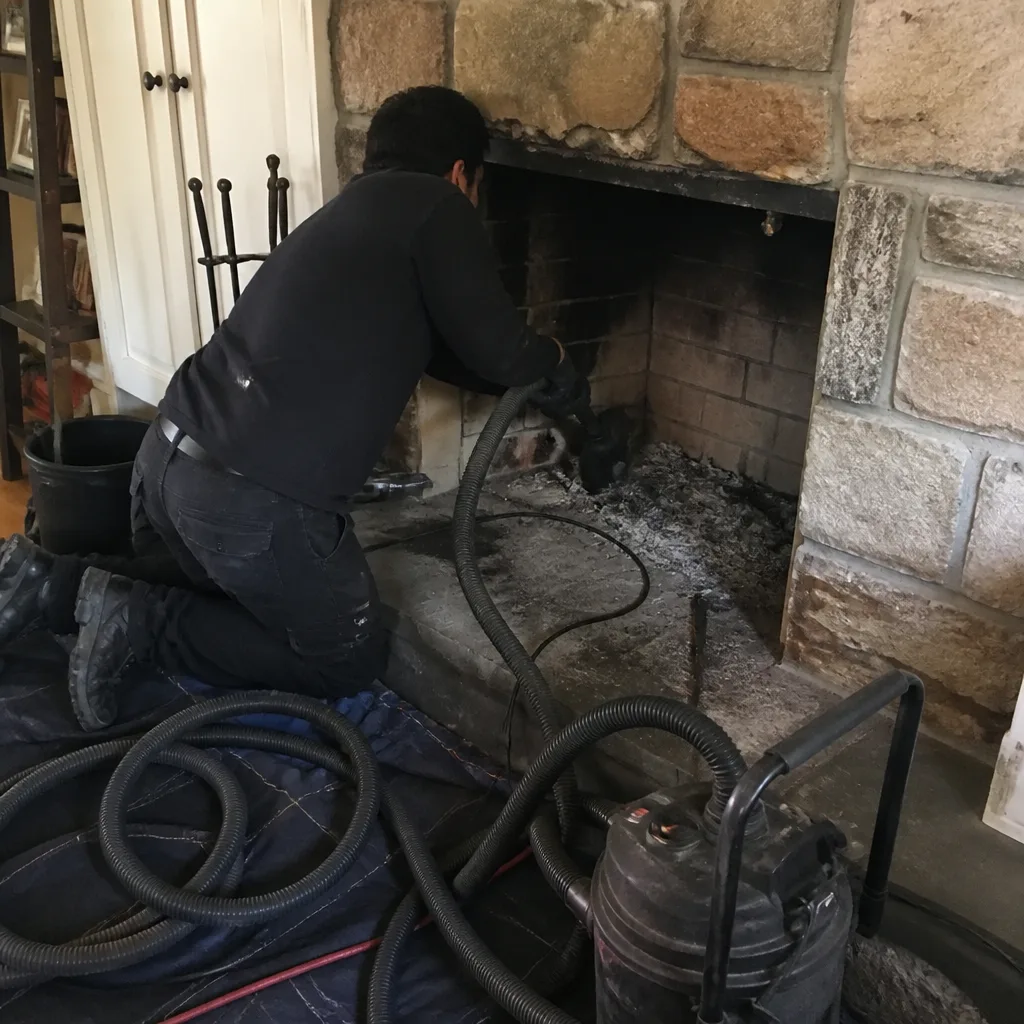 Before
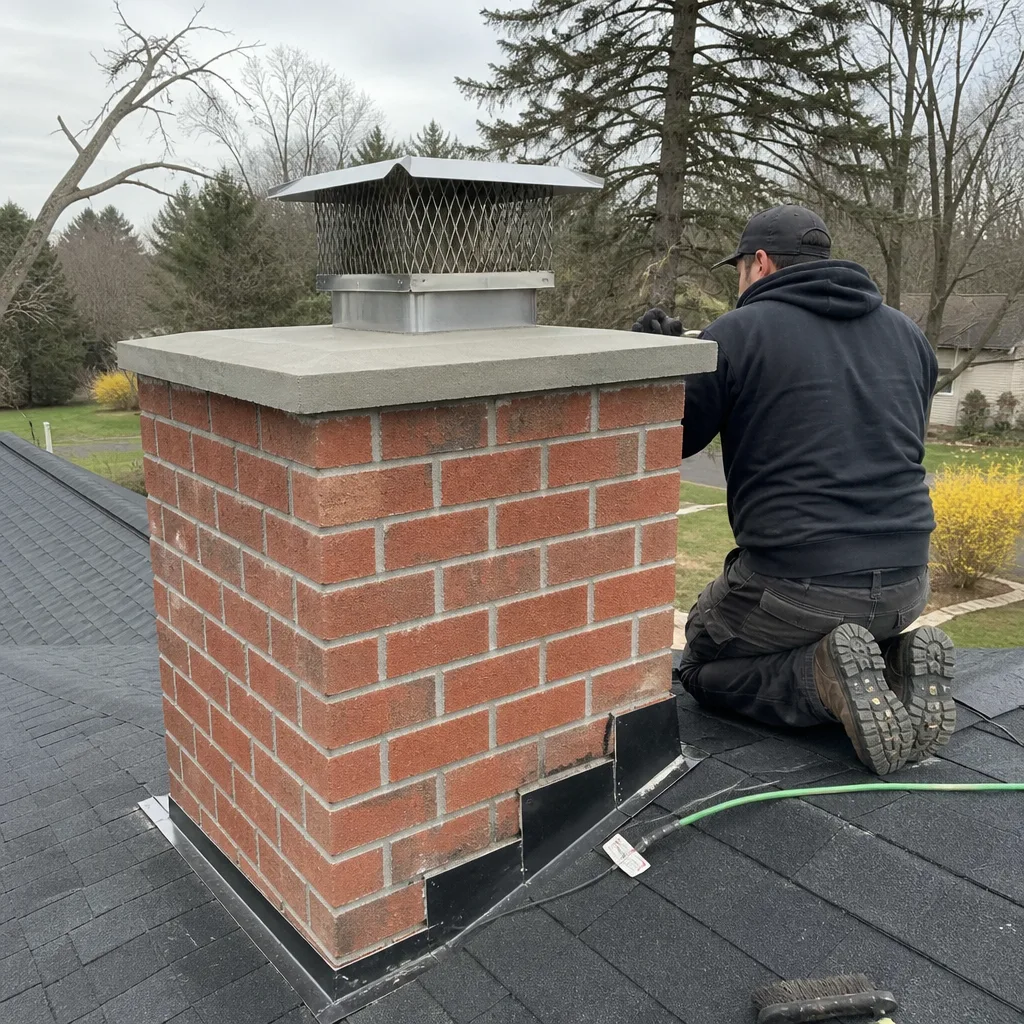 After
After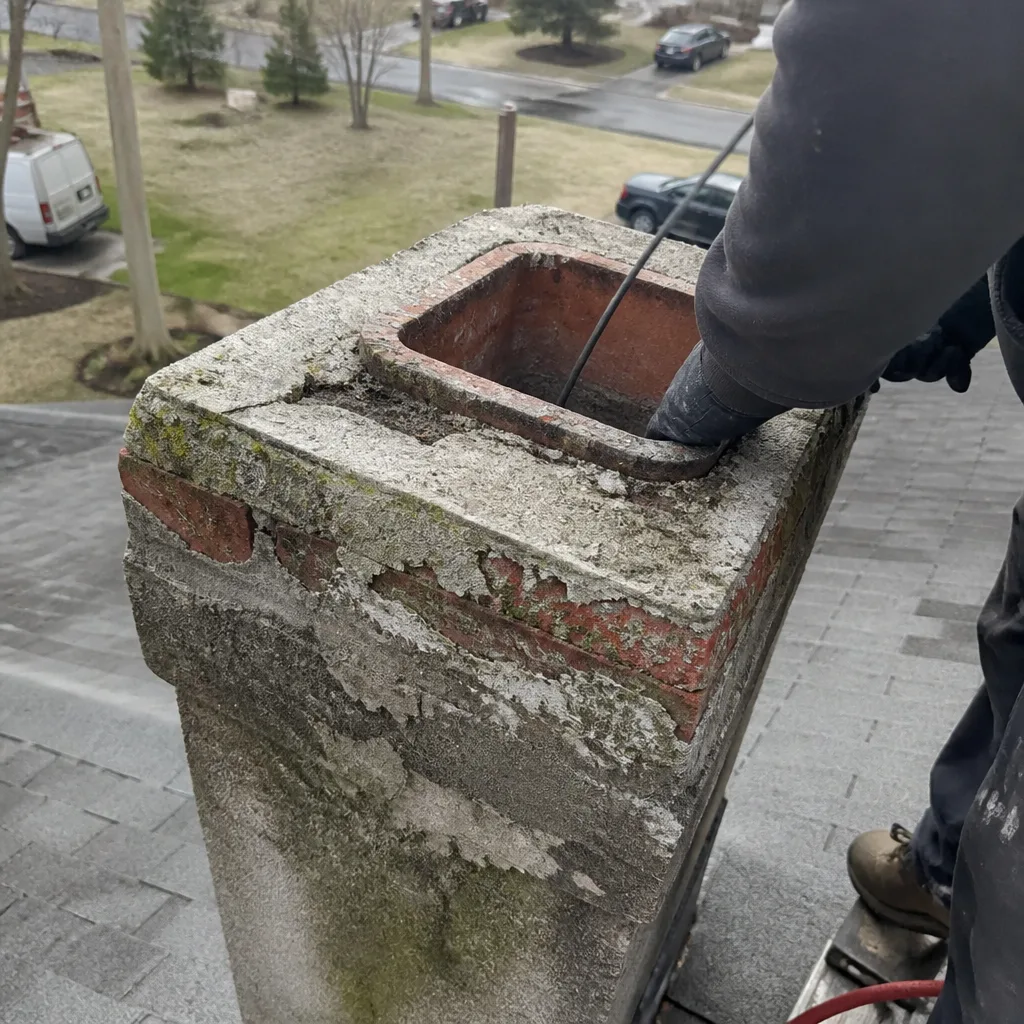 Before
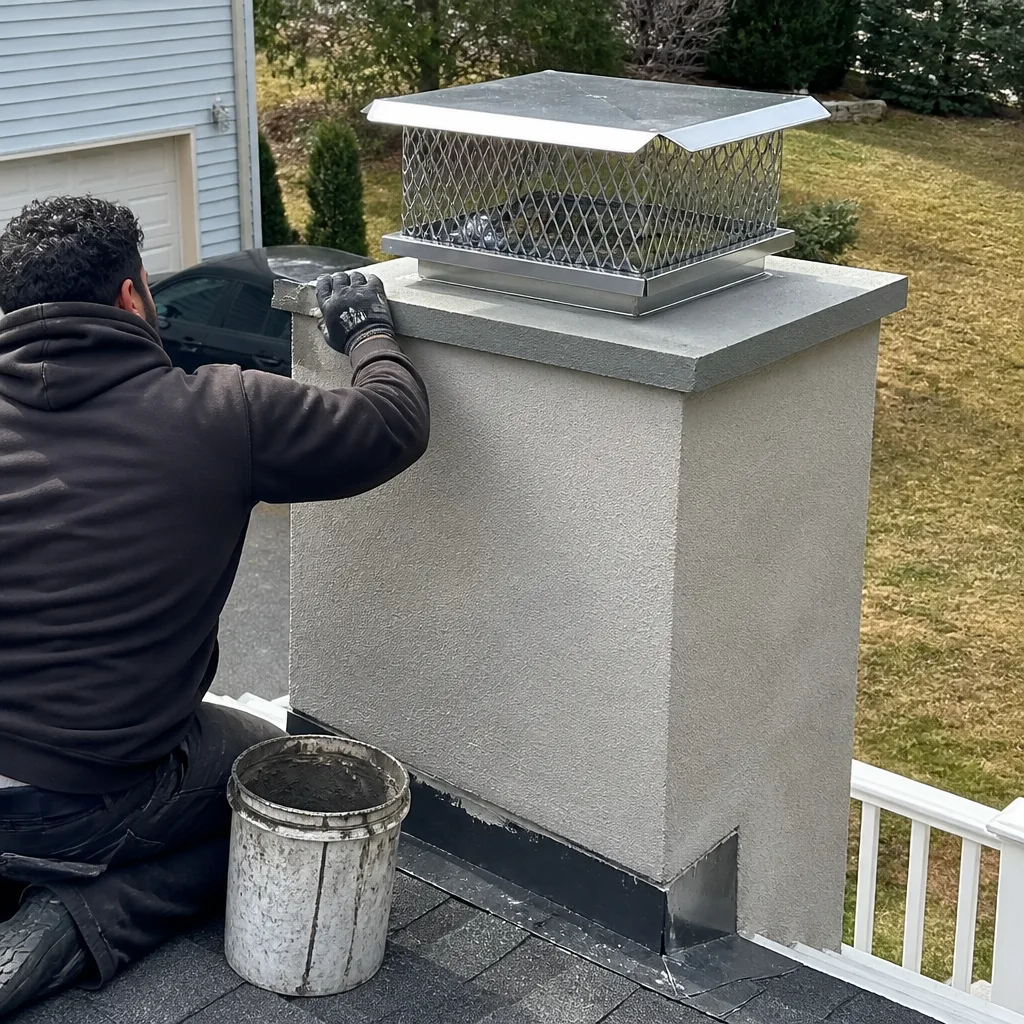 After
AfterChimney Cleaning Warning Signs: A Dix Hills Homeowner’s Reference Guide
A chimney fire doesn’t always sound like a chimney fire. Some of them are slow and quiet - enough heat to crack a flue tile, not enough to call 911 - and the only way to know it happened is to know what to look for afterward. Most Dix Hills homeowners assume a chimney problem will announce itself with smoke backing up into the living room or flames shooting out the top. The truth is quieter, and more expensive. This guide walks you through the warning signs that mean a chimney needs attention right now, the signs that can wait until spring, and how to tell the difference before a small repair becomes a rebuild. It’s written for homeowners who want to read the signs themselves and make a smart call, not get sold something they don’t need.
Quick Answer
The warning signs that a Dix Hills chimney needs immediate attention are a strong creosote odor inside the house during humid weather, visible black or shiny tar-like glaze on the firebox walls, white staining or flaking brick on the exterior, and smoke that lingers in the room after the fire is lit. If you notice any of these, stop using the fireplace and schedule an inspection. A routine annual sweep handles normal soot buildup, but these signs point to a flue fire, water damage, or a partial blockage, and confusing the two can cost tens of thousands or put your family at risk.
Table of Contents
- Signs Inside the Firebox That a Flue Fire Has Already Happened
- Normal Smoke Behavior vs. Draft Problems That Point to a Blockage
- Exterior Warning Signs Visible From the Ground
- The Smell Signals: What Summer Odors Actually Indicate
- Which Warning Signs Mean Stop Using the Fireplace Today
- Which Signs Mean Schedule Something Before Next Season
- Why Dix Hills Weather Is Harder on Chimneys Than Most Places
- Common Mistakes to Avoid
- When to Call a Professional
- Frequently Asked Questions
Signs Inside the Firebox That a Flue Fire Has Already Happened
Most people think a chimney fire looks like a blowtorch on the roof. Some do. But the ones that cause the most damage are the slow-burners: a thick creosote deposit ignites, smolders at temperatures high enough to crack clay flue tiles, and dies out before anyone notices smoke. The fire you don’t see is the one that ruins a chimney. Here is what to look for inside the firebox and flue when you shine a flashlight up there.
Honeycomb or Cracked Flue Tiles
Clay flue tiles crack when they’re subjected to thermal shock. A slow flue fire produces exactly that. If you look up the flue with a bright light and see hairline cracks running through the tile, a network of small fractures that looks like a spiderweb, or pieces of tile that look shifted out of place, a flue fire has likely occurred. This is not a cosmetic issue. Cracked tiles can no longer contain the heat and gases from a fire, which means the next fire you light is venting into the space between the flue and the surrounding framing. In our experience across Dix Hills, we find this on roughly one in every fifteen chimneys we inspect that hasn’t been swept in over three years. A cracked flue means you need a Level 2 inspection, not a standard cleaning. The camera goes in, the damage gets documented, and you see the footage yourself before anyone quotes a repair.
Shiny, Tar-Like Glaze on the Firebox Walls
Third-degree creosote looks like black glass. It forms when creosote deposits are heated to high temperatures over repeated fires and then cool into a hard, shiny shell. If the inside of your firebox has a coating that looks like melted plastic or hardened tar, that is the fuel for a chimney fire that has likely already ignited at least once. First-degree creosote is a brush job. Third-degree is a glaze. Catch it early. Glazed creosote cannot be removed with standard brushes. It requires chemical treatment or mechanical removal with rotary tools, and ignoring it is like leaving a can of gasoline inside your chimney. We use professional-grade products from Gelco and Olympia Chimney for exactly this situation, because the hardware store spray does not cut through third-degree deposits.
Warped or Discolored Metal Components
If you have a metal damper, a stainless liner, or a factory-built fireplace, look for warping, buckling, or rainbow-colored discoloration on the metal. Steel changes color when it’s heated past about 500 degrees, and a normal fireplace fire doesn’t get metal that hot. Discolored or warped damper plates are a telltale sign that a flue fire occurred, even if you never heard it. In Dix Hills, where homes built in the 1970s and 1980s often have original dampers, this is one of the most common discoveries during a Chimney Repair in Dix Hills inspection.
Fallen Debris at the Smoke Shelf
Pieces of flue tile, chunks of creosote, or crumbled mortar sitting on the smoke shelf behind the damper indicate deterioration above. A flue fire often shakes loose material that has been holding on for years. If you can reach up and feel chunks of debris, or if you see a pile of black material when you look up from the firebox, something has failed above you. This is a structural warning, not a cleanliness issue.
Normal Smoke Behavior vs. Draft Problems That Point to a Blockage
Your flue doesn’t care how the fire looks. It cares how it breathes. Smoke behavior in Dix Hills changes with the weather: cold days produce stronger draft, warm humid days produce weaker draft, and northeast winds can push smoke back down the chimney. Here is how to tell normal from not normal.
What Normal Looks Like
- Smoke rises steadily up the flue and exits the chimney cap within the first minute or two of lighting.
- A small wisp of smoke at startup is normal, especially on a mild day. The flue needs a minute to warm up and establish draft.
- On very cold Long Island winter days, a strong draft is expected. The fire draws hard, and the smoke pulls up quickly.
- When you open the damper fully before lighting and use dry, seasoned wood, smoke should never fill the room.
What Indicates a Problem
- Smoke that continues to spill into the room after the fire is fully established and the damper is fully open.
- Smoke that comes back down the chimney when the wind blows from the northeast, even with a good fire going.
- Smoke that seems to push out of the fireplace in slow, rolling waves rather than rising.
- Smoke from the fireplace that you can smell upstairs or in rooms far from the hearth, indicating it is not being vented properly.
- A fire that refuses to get going, even with dry wood and kindling, because the flue cannot provide enough oxygen for combustion.
A blocked flue, a collapsed flue tile, a nest, or a dead animal in the chimney all produce the same symptom: smoke that doesn’t go where it should. The difference between a draft problem caused by weather and a draft problem caused by a physical obstruction is consistency. If your fireplace smokes on every cold day, or every time the wind blows from a certain direction, you have a physical issue. If it smokes once on a warm October evening after a rainstorm, that may be atmospheric. The camera footage settles it. We run a camera up every flue before we sweep, because the cause of a draft problem is rarely guessable from the ground.
Exterior Warning Signs Visible From the Ground
You don’t need a ladder to read most chimney problems. Walk outside, stand in your driveway, and look at the chimney from the ground. In Dix Hills, where most chimneys face the weather unprotected for decades, the exterior tells you exactly what is happening inside.
Efflorescence: White, Chalky Staining
Efflorescence is the white, powdery deposit that appears on brick and mortar. It forms when water enters the masonry, dissolves the natural salts inside the brick, and then evaporates on the surface leaving the salt behind. It looks like someone dusted your chimney with chalk. Efflorescence itself is not structural damage, but it is proof of water intrusion. And in Dix Hills, where winter temperatures regularly dip below freezing, water intrusion is the beginning of every major masonry failure. Water enters, freezes, expands, and pushes bricks apart. What starts as white staining ends as spalling and cracked crown work. One season of water can do what a decade of fires cannot.
Spalling: Flaking, Crumbling Brick Faces
Spalling is what happens when the face of a brick pops off, leaving a rough, recessed surface behind. It’s caused by water freezing inside the brick. You’ll see pieces of brick on the ground near the chimney, or brick faces that look pitted and flaky. Spalling is never cosmetic. It means the structural integrity of the chimney is degraded, and it will only get worse. A spalling chimney in Dix Hills needs masonry repair before the next freeze cycle, not after. The longer it waits, the more brick needs to be replaced, and the more expensive the chimney repair in Dix Hills becomes.
Cracks in the Crown
The crown is the concrete slab that sits on top of the chimney, sealing the space between the flue tile and the outer brick. When it’s intact, it sheds water. When it cracks, water follows the crack down into the chimney structure. Small hairline cracks in a crown are common and often not urgent. Cracks wide enough to fit a nickel, or crown material that has begun to crumble away from the flue, are warning signs that water is entering the chimney every time it rains. In our climate, that water freezes and thaws all winter long, prying the crack wider each season. Crown repair is one of the least expensive chimney fixes, and one of the most cost-effective ways to prevent a five-figure rebuild later. We seal and rebuild crowns regularly with products from Copperfield and Famco, and the repair can often be done in a single visit.
Rust on the Damper or Firebox
Rust inside the firebox or on the damper assembly is exterior water finding its way inside. It often accompanies efflorescence on the exterior and indicates that the crown, flash, or cap has failed. Surface rust on the damper is common in older Dix Hills homes with original steel dampers, but active, flaking rust combined with water stains below the damper means water is entering during every storm.
The Smell Signals: What Summer Odors Actually Indicate
The most common complaint we hear from Dix Hills homeowners is, “The fireplace smells in the summer.” The smell is real, and it is not random. Here is what each odor actually tells you.
The Creosote Smell: Sharp, Smoky, Tar-Like
Creosote has a distinct smell: sharp, smoky, similar to asphalt or burnt tar. It’s most noticeable on hot, humid days when the air pressure outside is low and the air inside the chimney pushes down into the house. A strong creosote smell in summer means there is a significant buildup inside the flue, because a thin film of creosote doesn’t produce a noticeable odor. A strong smell means a thick deposit is present, and a thick deposit means you’re one hot fire away from a chimney fire. The smell is not the problem. The buildup causing the smell is the problem. A standard chimney cleaning and sweep in Dix Hills removes it, and the smell goes away with it.
The Musty, Damp Smell: Organic and Mildewy
A musty smell is different from a creosote smell. Creosote is sharp and tar-like. Must is damp, earthy, and organic. A musty chimney smell in summer usually indicates water intrusion, leaves, or animal nesting material that has gotten wet and is decomposing. In Dix Hills, squirrels and birds regularly build nests in uncapped chimneys during the spring, and those nests absorb moisture and rot through the summer. A musty smell from the fireplace means something organic is inside the chimney that shouldn’t be, and it needs to be removed before the next burn. It’s also worth checking whether the chimney cap is intact, because an uncapped flue is an open invitation to every animal in the neighborhood.
The Acrid, Chemical Smell: Different From Smoke
An acrid or chemical-like odor coming from the fireplace, especially in summer when no fires have been lit, can indicate that glazed creosote has been exposed to heat and is off-gassing. It can also be a sign that previous owners burned treated wood, plastics, or other materials that leave chemical residues in the flue. Acrid odors should be investigated. They are not normal, and they do not resolve on their own.
Which Warning Signs Mean Stop Using the Fireplace Today
Most chimney issues can wait a few weeks for a convenient appointment. A few should stop you from lighting another fire until a professional has looked at the chimney. Here is the distinction, plain and simple.
Stop Using the Fireplace Immediately If:
- You see cracked, shifted, or missing flue tiles. The fire you light next is venting into your house framing, not up the chimney. Carbon monoxide does not care how nice the fire looks.
- There is a thick, shiny, tar-like glaze inside the firebox or flue. This is a chimney fire waiting for a spark. One more fire could be the one that ignites it.
- Smoke fills the room every time you light a fire, regardless of weather. This points to a physical blockage or structural failure, and a blocked flue is how carbon monoxide enters living spaces.
- You smell a strong creosote odor inside the house during summer. The buildup is severe enough to generate the smell, which means it’s severe enough to ignite.
- You can see daylight through cracks in the chimney structure from the attic or upper floors. If the flue is broken open anywhere inside the house envelope, exhaust gases have a direct path into your home.
None of these require an emergency call at 2 a.m. But they do mean no more fires until a certified sweep has looked at the chimney. Wendell and his crew answer the phone around the clock, and we will tell you plainly whether the fireplace is safe to use or should stay cold until a repair is done.
Which Signs Mean Schedule Something Before Next Season
Other warning signs are slower-moving. They don’t demand an immediate shutdown, but ignoring them through another winter means paying more later. These are the ones to schedule before the first cold snap.
Schedule Before Next Season If:
- You see efflorescence on the exterior brick. It’s not structural yet, but it proves water is getting in. Every Dix Hills winter makes it worse. Seal the water out before the freeze cycles start.
- The crown has small cracks. Small cracks become wide cracks after one more winter of freeze-thaw. Wide cracks become full crown replacements. The small repair is a fraction of the cost.
- You find small amounts of flaking brick (spalling) on one or two bricks. Early spalling can be repaired without rebuilding the chimney. Waiting a year changes that.
- The damper is rusted but still functional. It works today, but rust never gets better. Replace it before it seizes in the open position in the middle of January.
- You smell something musty but mild, and it’s been more than a year since the last sweep. Organic debris is likely present. It’s not urgent, but it should be cleared before you light the first fire of the season.
- You can’t remember the last time the chimney was swept. If it’s been more than two years, assume creosote is present and schedule a cleaning before the burn season starts. Once a year, burn or no burn. Chimneys break in the off-season too.
Why Dix Hills Weather Is Harder on Chimneys Than Most Places
Dix Hills sits in a weather pattern that punishes masonry. We get hot, humid summers, cold winters with sustained freezes, and enough rain and snow to keep bricks damp for months at a time. The repeated cycle of water entering masonry, freezing, expanding, and thawing is the single biggest cause of chimney failure in our area. A chimney that would last 50 years in a dry climate can start crumbling in 20 here. Add in the salt air influence from the Long Island Sound, and the exterior brick on older Dix Hills homes shows it: efflorescence, spalling, and cracked crowns are the norm by the time a house turns 30. The good news is that most of this is preventable with a properly sealed crown, a good chimney cap, and intact flashing. The bad news is that those things fail quietly, and by the time you see the damage from the ground, the repair is no longer a small one.
We also see a pattern in Dix Hills that differs from more rural areas: many homes were built in the 1960s and 1970s with clay flue liners, and many of those liners are now reaching the end of their service life. Clay tiles crack, and once they crack, the chimney is no longer safe to use until the flue is relined or repaired. It’s not a defect in the original construction. It’s just time, weather, and heat doing what they do. Our fireplace services in Dix Hills team runs into this daily, and the fix is usually more affordable than homeowners expect, especially when it’s caught before the surrounding brickwork fails too.
Common Mistakes to Avoid
- Assuming no fires means no chimney problems. We see more deterioration in chimneys that sit unused for years than in chimneys that see weekly fires. Water, animals, and time do their work with or without you. An unused chimney still needs an annual inspection.
- Confusing the annual sweep with an inspection. A standard sweep removes creosote. It does not evaluate the structural condition of the flue, the crown, or the flashing. At Top Hat Chimney, the camera goes up before the brush comes out, so you get the cleaning and the inspection in one visit.
- Ignoring a summer smell because “the fireplace isn’t being used.” That smell is a warning, not an annoyance. It’s telling you that something is inside the chimney that shouldn’t be, and it will not fix itself by November.
- Painting over efflorescence or spalling brick. Paint traps moisture inside the masonry and accelerates damage. You can’t fix water intrusion with a coat of waterproof paint. The water is already inside the brick.
- Trusting a phone quote for chimney work. A real chimney problem cannot be diagnosed over the phone. Any company that quotes you a repair price without looking at the chimney is guessing, and the guess always changes when the technician arrives. The number Wendell quotes you before work begins is the number on the invoice, but he won’t quote a repair he hasn’t seen.
- Using the fireplace through a winter after noticing a draft problem. A draft problem is a blockage or a structural failure until proven otherwise. Every fire you light in a compromised flue is a gamble with carbon monoxide.
- Skipping the cap because “it’s been fine for 30 years.” Thirty years of no rain in the flue is luck, not design. One uncapped chimney in a Dix Hills neighborhood can collect enough water, leaves, and animal debris in a single season to require a full reline. The cap costs a few hundred dollars. The reline costs thousands.
When to Call a Professional
If you’ve spotted cracked flue tiles, glazed creosote, spalling brick, or a summer smell that won’t go away, call a professional before you light another fire. These are not conditions that resolve with a hardware store product or a YouTube tutorial. A certified sweep brings a camera, a trained eye, and the experience to tell you what’s actually wrong and what can safely wait. In Dix Hills, Top Hat Chimney offers free estimates, and Wendell Pike will look at your chimney, show you the camera footage, and explain in plain English what needs to happen. No pressure, no phone quote that changes at the door. Call (631) 318-8656 to book an inspection. If it turns out your chimney just needs the annual sweep, that’s what we’ll tell you. And if it needs real work, you’ll see the evidence with your own eyes before you spend a dollar.
Frequently Asked Questions
A standard chimney cleaning and sweep in Dix Hills typically runs between $175 and $325, depending on the size of the flue, the amount of creosote buildup, and whether the chimney has been maintained recently. At Top Hat Chimney, we give you upfront pricing before a single tool comes off the truck, and the number you hear on the phone is the number on the invoice. No trip charge applies inside our service county. Call (631) 318-8656 for an exact quote.
A chimney should be swept at least once a year if you burn wood, even if you only light a fire a few times each season. Once a year, burn or no burn. Creosote builds up with every fire, and it doesn’t take much to create the conditions for a flue fire. If you burn more than a cord of wood per season, or if you burn green or soft wood, you may need twice-a-year cleanings.
Cracked flue tiles mean the chimney is no longer safely containing exhaust gases, and yes, the fix typically involves either relining the flue or rebuilding it, depending on the extent of the damage. We don’t recommend liner work based on a guess. The camera footage shows you the cracks, and you decide with all the information in front of you. In many Dix Hills homes, a stainless liner from DuraFlex or Olympia Chimney is the most straightforward fix, and it can often be installed in a single day.
Creosote builds up with every fire, and after two or three years of regular use without a sweep, that buildup can be thick enough to sustain a flue fire. A flue fire can crack tiles, damage the surrounding masonry, and create a carbon monoxide hazard inside the house, even if you never see flames. The repairs after a flue fire are far more expensive than the sweeps you skipped. Call (631) 318-8656 to get one scheduled before next season.
You can brush a lightly soiled flue with a chimney brush from a hardware store, but you cannot inspect it the way a professional can. Most homeowners miss the early signs of flue tile damage, water intrusion, and cracked crowns because those problems aren’t visible from the top with a brush. And if there is glazed creosote or structural damage, DIY cleaning won’t address it. The camera footage and a plain-English verdict come with every sweep we do. Every time, no exceptions.
A chimney cap makes a significant difference in Dix Hills, where rain, snow, and local wildlife are constant. An uncapped flue lets water into the chimney, which is the leading cause of masonry deterioration, and it invites squirrels, raccoons, and birds to nest inside. Caps with proper mesh also block drafts and keep the smell of creosote from pushing into the house during summer. A simple stainless cap from Gelco or Copperfield can prevent hundreds of dollars in water damage.
The Bottom Line
A chimney talks to you in signs, and most of them are visible from the ground, the firebox, or your nose. The difference between a chimney that needs a routine sweep and one that needs structural repair is often subtle, but it matters. Learn to read the signs: the white staining on the brick, the flaking faces, the summer smells, the smoke that doesn’t rise. Know which ones mean stop burning today and which ones mean book it before the cold comes back. And when you’re not sure, call someone who will tell you the truth, show you the footage, and never sell you a repair you don’t need. Ask anyone on your street.
Learn more about our work at the Top Hat Chimney home page, or read about our specific chimney cleaning and sweep in Dix Hills, our chimney repair in Dix Hills, and our fireplace services in Dix Hills.
Written by Wendell Pike, Owner at Top Hat Chimney, serving Dix Hills since 1999.